When the Quiet Voice Becomes the Turning Point
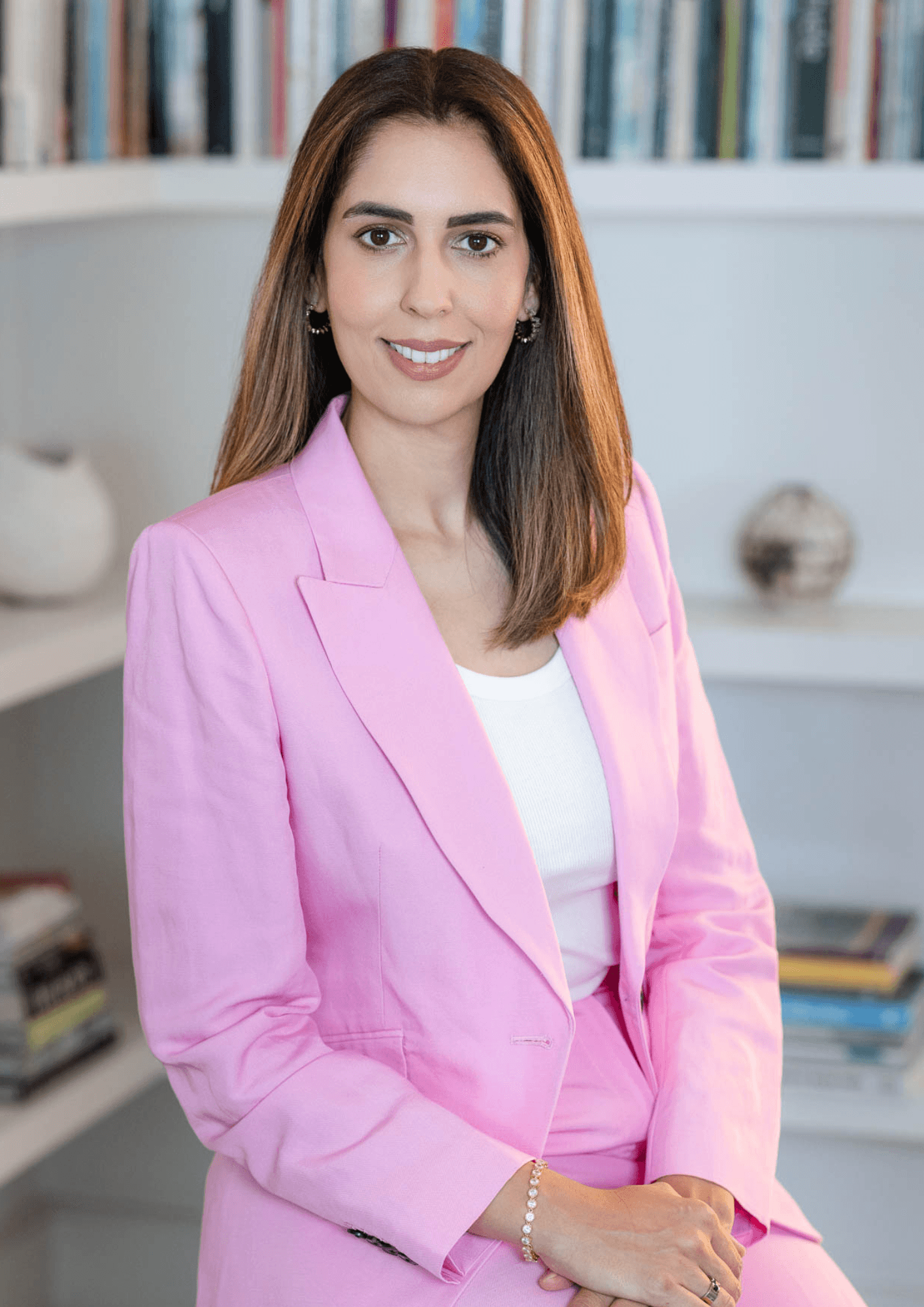
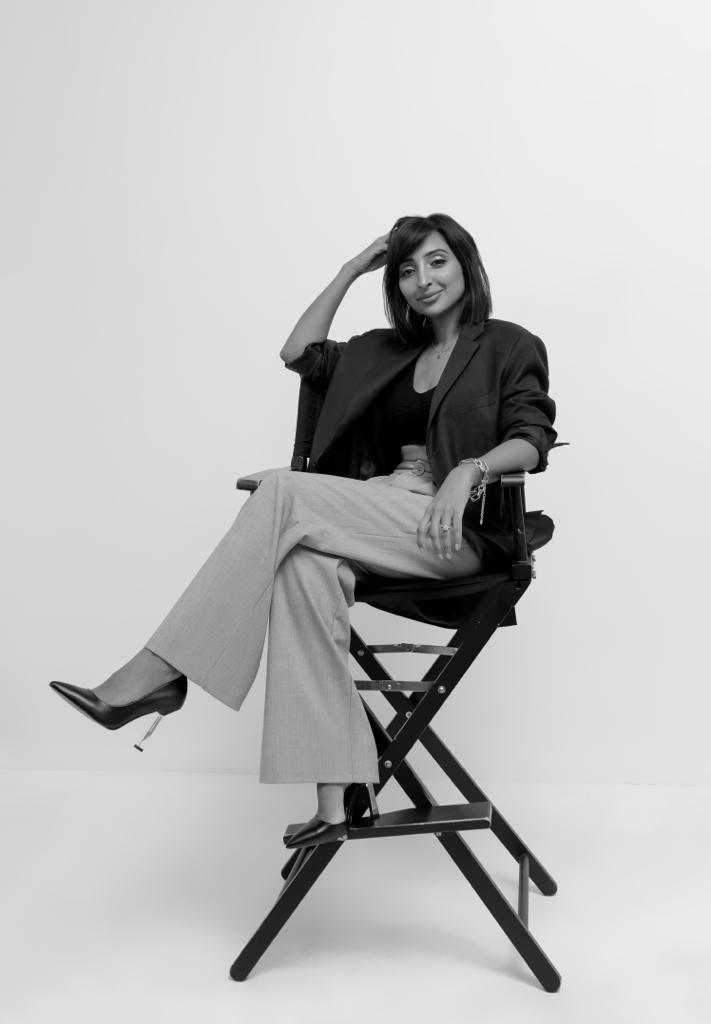
There is a particular kind of silence that arrives when life strips everything back. It is not dramatic or cinematic. It comes quietly, almost imperceptibly, when the noise of achievement, expectation and performance falls away and you are left sitting with yourself. For Angelee Sidar, that silence arrived in her mid thirties, at a moment when the exterior of her life still looked strong, but internally everything was shifting.
Before that turning point, Angelee had built a life defined by momentum. With corporate foundations behind her, she moved into entrepreneurship and scaled a hospitality business into a seven-figure company in just three years, employing more than fifty staff. She understood growth, structure and discipline. Success was measurable and she knew exactly how to deliver it. For years her world revolved around return on investment. Revenue, expansion and scale were the metrics that shaped her decisions and validated her progress.
But life has a way of reshaping even the most carefully built structures. After navigating deep personal upheaval and finding herself rebuilding as a single mother, the definition of success began to feel incomplete. Then COVID disrupted her business overnight. What followed was not simply financial recalibration, but a personal reckoning. When the pace slowed and the external markers of success became unstable, she was forced to confront a deeper question: who was she without constant forward motion?
“I nearly lost everything,” she reflects now with a calm honesty. “And when you are stripped back like that, you start asking different questions.” The question was no longer about growth or scale. It was about identity. About alignment. About whether the life she was building felt true to the woman she was becoming.
For much of her adult life, strength had meant independence at all costs. It meant carrying everything, proving capability, never showing weakness. That strength had helped her survive and succeed. Yet survival mode, she realised, is not the same as living in alignment. In the space created by disruption, she began to explore the inner work she had once postponed. Mindset, belief systems, neuroscience, the subtle narratives that shape how we lead and how we love. Slowly, her metric of success began to evolve.
“Return on energy changed everything for me,” she explains. Instead of asking whether a decision would maximise revenue, she began asking how it felt in her body and nervous system. Did it energise her or deplete her? Did it expand her or make her feel smaller? At first, those questions felt almost indulgent, particularly for someone conditioned to prioritise output. Yet the more she paid attention to alignment, the clearer her choices became. Ironically, when she began creating from a place of internal clarity rather than external pressure, the financial returns improved as well. The difference was subtle but profound. She was no longer building to prove herself. She was building from a place of integration.
It was within that shift that Feel It In Your Soul was born. There was no master plan behind it, no detailed monetisation strategy mapped out in advance. On paper, launching a podcast while rebuilding her life made little sense. She was raising children, navigating uncertainty and recalibrating her career. Yet she felt an unmistakable pull toward meaningful conversation. She wanted to create a space where success could be discussed alongside struggle, where guests could speak about identity, resilience and personal evolution rather than simply achievements.
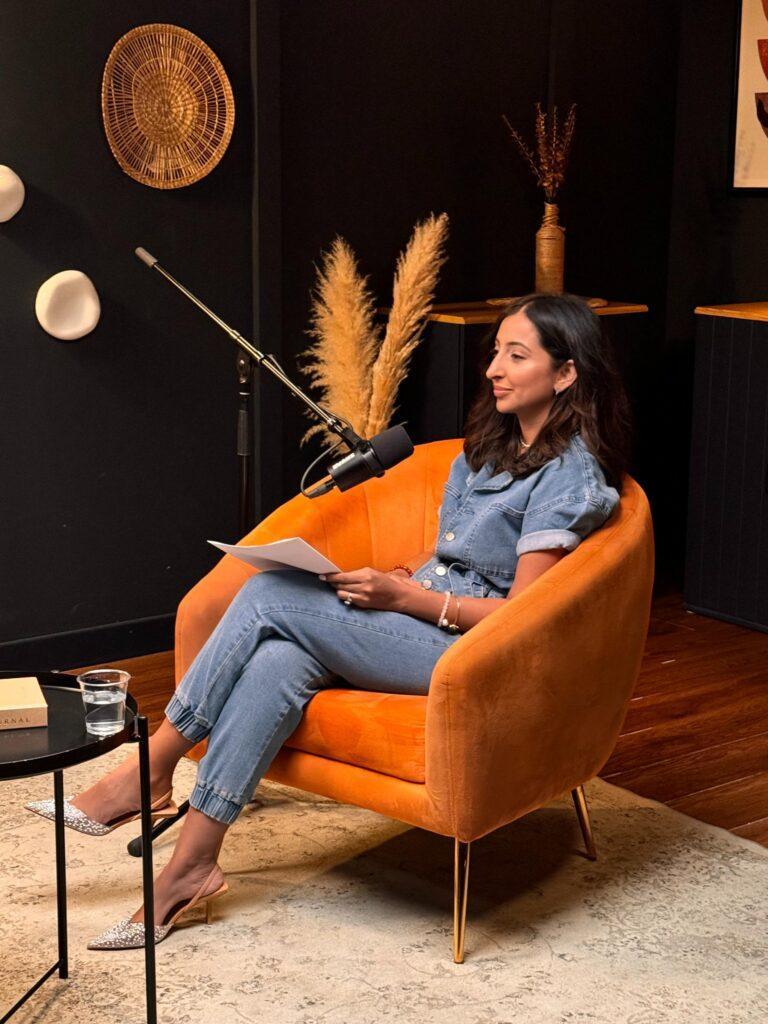
“I needed a creative outlet,” she says. “A space for conversations I wasn’t hearing elsewhere.” Pressing record felt less like a business decision and more like an act of trust. The early episodes were reflective and intimate. Guests were invited to share not just their public milestones, but the moments that reshaped them privately. Over time, the guest list expanded to include internationally recognised names such as Kapil Sharma, DJ Bliss, Lisa Ray and Patsy Palmer. Yet what drew listeners was not simply the calibre of guests, but the tone Angelee cultivated. She listened deeply. She allowed space. She was willing to slow down in a culture that rewards speed.
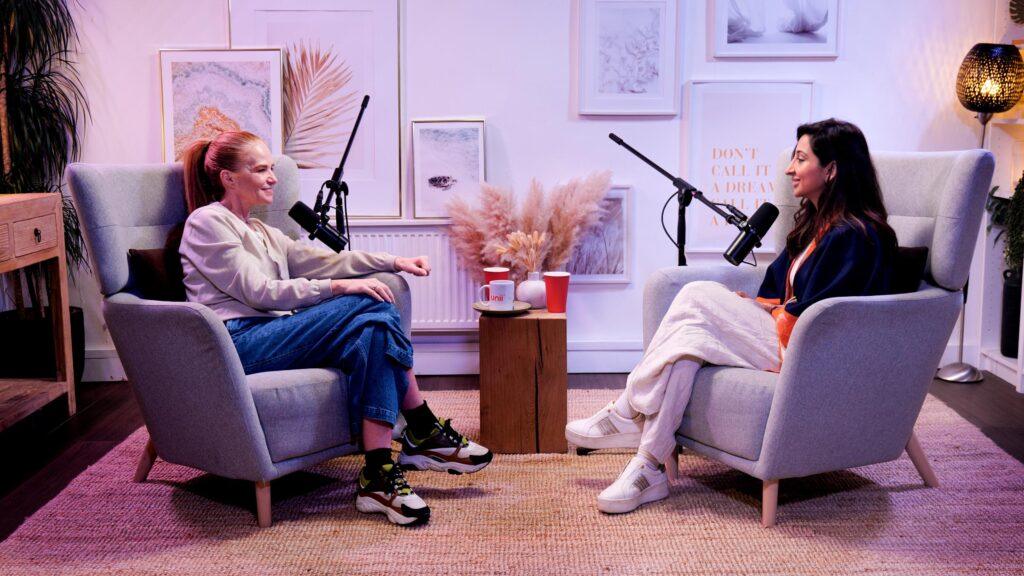
During her conversation with Lisa Ray, she experienced a subtle internal breakthrough. Having prepared thoroughly, she felt the familiar impulse to guide the discussion efficiently. Instead, she allowed the conversation to breathe. “There is always a bigger story unfolding,” she realised. That moment shifted her understanding of leadership and communication. It was not about control, but about presence. Not about performance, but about trust.
Another defining moment came when DJ Bliss encouraged her to fully commit to the podcast rather than treat it as a side project. His belief in her ability mirrored something she had begun to recognise in herself. What had started as a creative outlet was evolving into something larger than she had imagined.
Two years after that first recording, Angelee became the first UK-based podcaster to be signed by One Digital Entertainment, one of India’s largest and most influential creator platforms. The milestone carries significance beyond personal achievement. As a South Asian woman who grew up in the late eighties and nineties, she did not see many examples of women like her occupying global creative space. Visibility was not something that felt automatic. Her signing represents a bridge between the UK and South Asia, between diaspora and homeland, and between influence and authenticity.
“I believe we all have a light,” she says thoughtfully. “It is our purpose to shine that light and help others in the process.” The recognition from One Digital feels less like arrival and more like affirmation that alignment has reach.
Rebuilding her life as a single mother also transformed her understanding of leadership. Empowered feminine leadership, as she defines it today, is no longer about proving strength through independence. It is about discernment. It is about knowing when to push and when to pause, when to lead with structure and when to soften. Allowing love back into her life, meeting her now husband and learning to ask for support were acts of courage as significant as any business decision. “True empowerment lies in letting go of the facade,” she explains. “Being human. Learning and growing.”
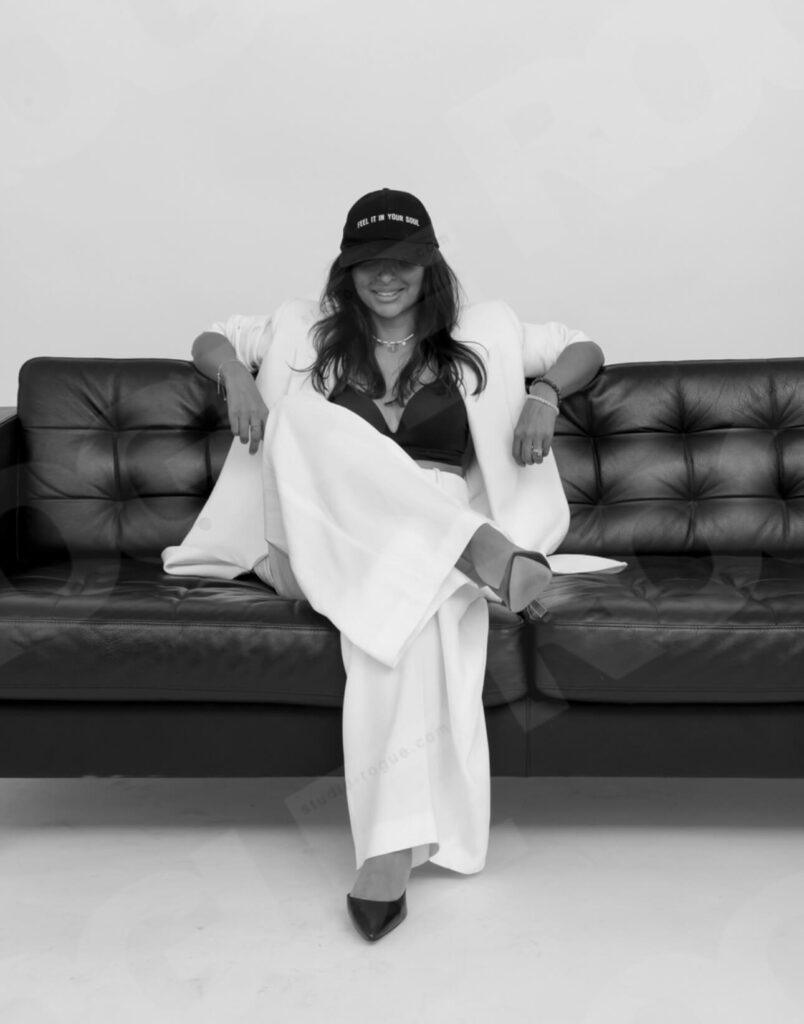
As a mother, this integration feels especially important. She wants her children to witness a version of success that does not require emotional disconnection. She wants them to see that ambition and presence can coexist, that leadership can be both powerful and compassionate.
Alongside the podcast, Angelee retrained as a coach specialising in neuroscience-based approaches to transformation. From this work emerged The R.E.F. Method™, a framework built on Recognise, Expand and Frame. The method supports individuals in identifying limiting beliefs, expanding beyond inherited narratives and reframing their internal dialogue. She also founded Framr Media, helping entrepreneurs and leaders articulate their voice with clarity and authenticity. One strand of her work supports inner clarity; the other amplifies outer expression. Together they reflect her belief that true influence begins within.
When asked what luxury means to her now, her answer is measured and reflective. “Luxury is not only about what you have,” she says. “It is about how fully you allow yourself to live.” For Angelee, luxury has become synonymous with alignment. With peace. With the freedom to express your voice without apology.
Her story does not resonate because it is flawless. It resonates because it is honest. She has known uncertainty, reinvention and fear. She has questioned herself and started again. Yet she has chosen, repeatedly, to trust the quieter voice within her rather than the louder expectations around her.
In 2025, as the first UK-based podcaster signed by One Digital Entertainment, Angelee Sidar stands not as a finished product, but as a woman in motion. Still evolving. Still listening. Still expanding. Her journey is a reminder that losing everything does not mean losing yourself. That rebuilding can be the beginning of something more authentic than what came before. And that sometimes the bravest decision a woman can make is to follow the quiet pull of her own soul, even when logic cannot yet explain where it will lead.