No Shame, Just Stories of Survival
This International Women’s Day, Eight South Asian Women Transform the Runway Into a Stage for Truth
On International Women’s Day, empowerment is often wrapped in polished soundbites and celebratory statistics. But this year, beneath the chandeliers of the Sheraton Skyline Heathrow, empowerment will take on a deeper meaning.
It will look raw.
It will look courageous.
It will look like recovery.
Now in its seventh year, The Fashion Brunch, brought to you by Anisha Vasani Creates under the creative direction of Anisha Vasani, returns with its most powerful theme to date: Addiction, Recovery & Reclaiming Identity under the campaign banner No Shame, Just Stories of Survival.
For an event known for couture, elegance and influential networking, this is a bold cultural statement and perhaps its most necessary evolution yet.
Because true luxury is authenticity.
This International Women’s Day edition champions eight South Asian women who have experienced addiction in its many forms: alcohol, drugs, medication dependency, gambling, emotional reliance, psychic addiction and exploitative self development scams, and who have since reclaimed their lives with extraordinary strength.
In a reimagining titled Fashion Showcase Redefined, each woman will first share her story before walking the runway dressed in couture by Arinder Bhullar and Mona Lisa Sarees. The catwalk becomes more than a display of beauty. It becomes a reclamation of identity.
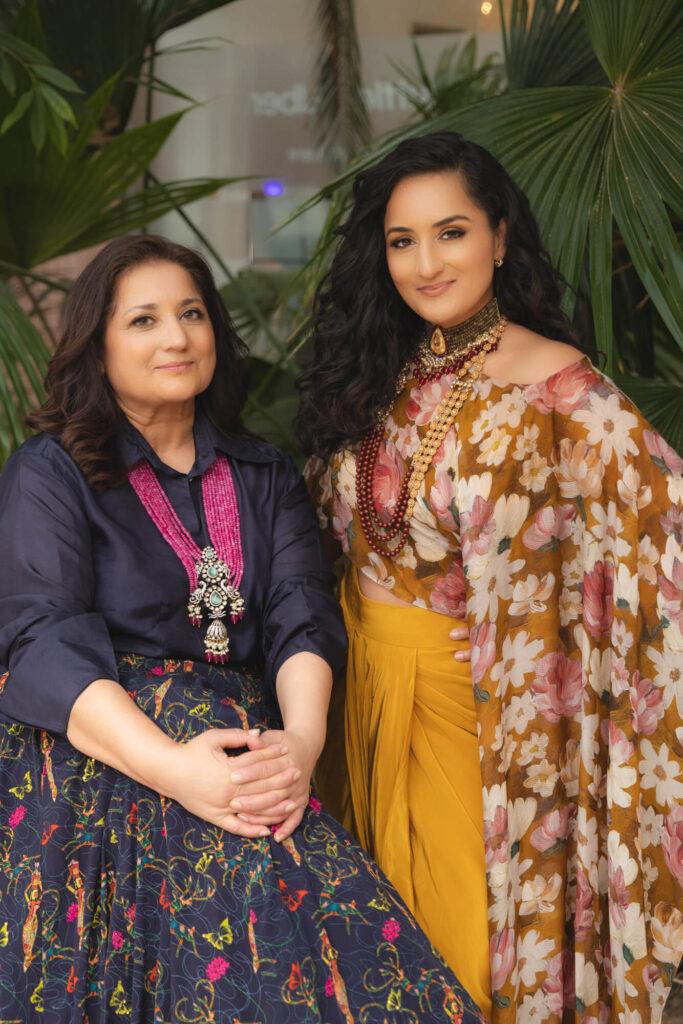
Among them is Jas Pone, whose journey through grief and alcohol dependency was documented in the Channel 4 film Saving Mum, broadcast on Channel 4 and produced by her daughter, film-maker and director Maleena Pone. The documentary ignited vital conversations within South Asian communities about maternal addiction and generational healing. By stepping forward once more, Jas continues that dialogue not from a place of shame, but from a place of sovereignty.
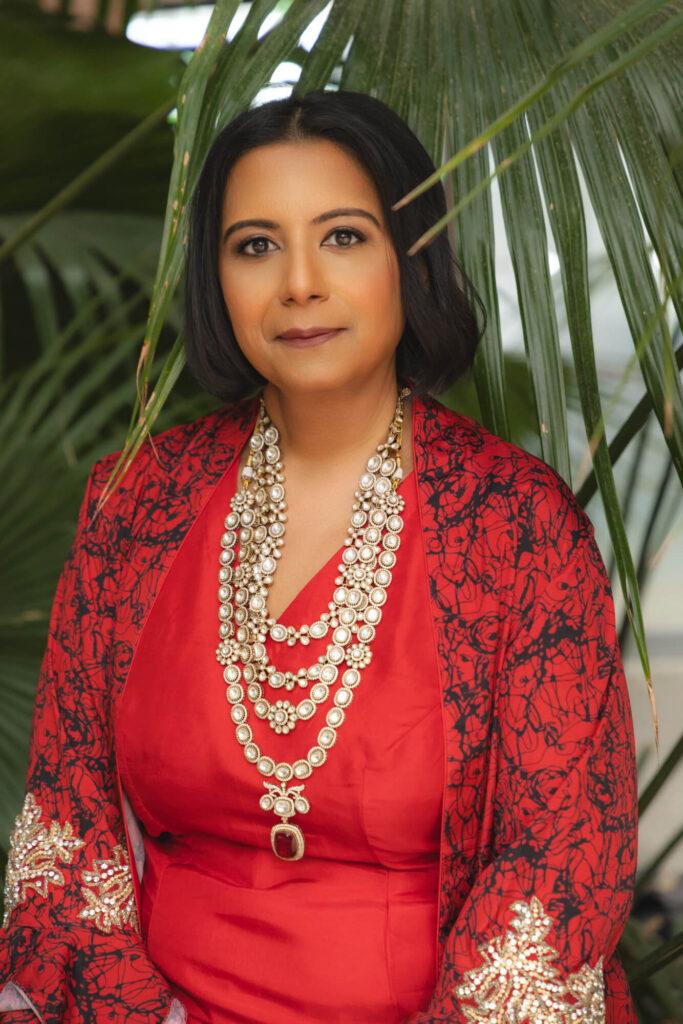
Nisha Chandra, known widely as “The Cockney Copper,” overcame a 12 year battle with alcohol and now stands eight years sober, challenging assumptions about who addiction touches.
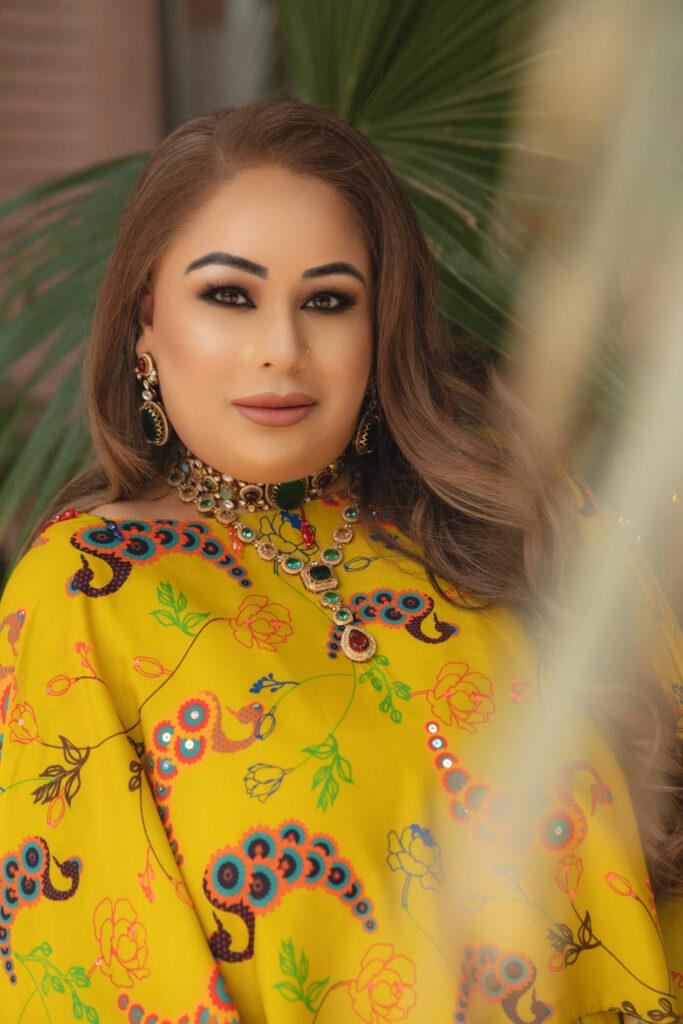
Reena Chotai speaks with remarkable honesty about 37 years of alcohol addiction. Today, 6.5 years sober, she uses her voice to dismantle the stigma that once silenced her.
Kim Kaur, a Sikh woman, domestic abuse survivor and former Class A drug user, is now nearly two decades drug free and co founder of SAFIR (South Asian Females in Recovery), proving that faith, culture and recovery can coexist powerfully. Addiction, however, is not always visible.
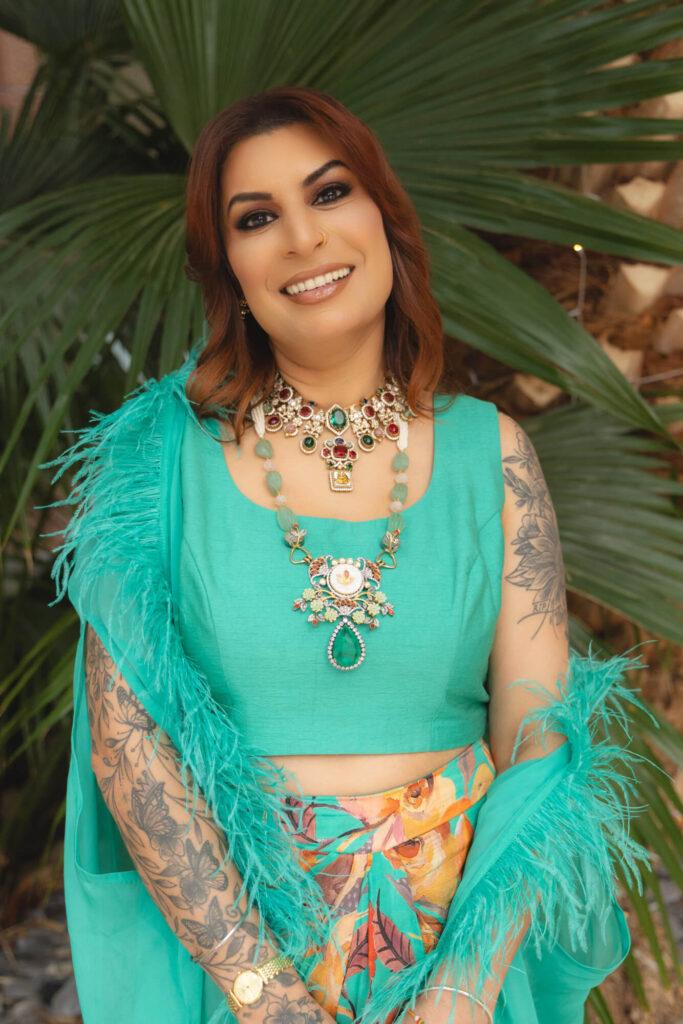
For Reena Bagga, it emerged in the form of medication dependency following severe postnatal depression. Prescribed antidepressants to stabilise her mental health, what began as support gradually evolved into fear based reliance. Fear of relapse, fear of instability, fear of coping without pharmaceutical protection. Her recovery was not about rejecting medicine, but about reclaiming informed choice. Working collaboratively with medical professionals, she slowly rebuilt resilience through therapy, nervous system regulation, nutrition, mindfulness and faith. Today, she advocates for holistic, empowered healing, encouraging women to participate actively in their recovery rather than surrendering to fear.
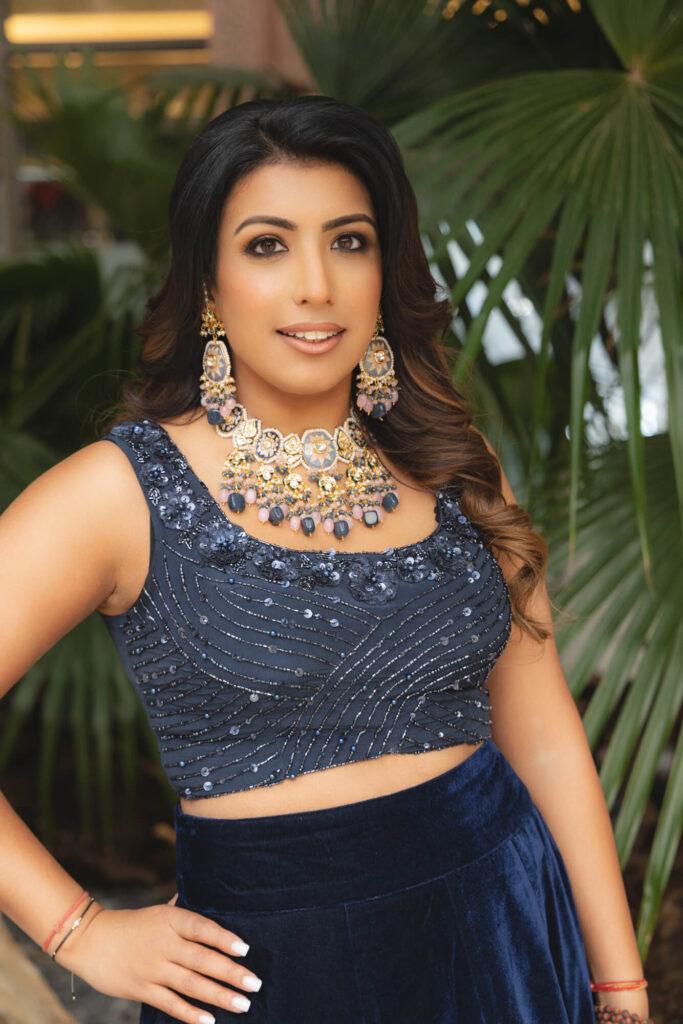
Sonia Gupta’s addiction took a different shape, an emotional and psychological dependency on psychics. During a vulnerable chapter of her life, she repeatedly sought reassurance and certainty through readings, accumulating nearly £20,000 in debt. What began as comfort became compulsion. Her turning point came when she recognised that the clarity she was seeking externally required rebuilding internally. Today, she speaks candidly about emotional vulnerability, financial restoration and reclaiming discernment.
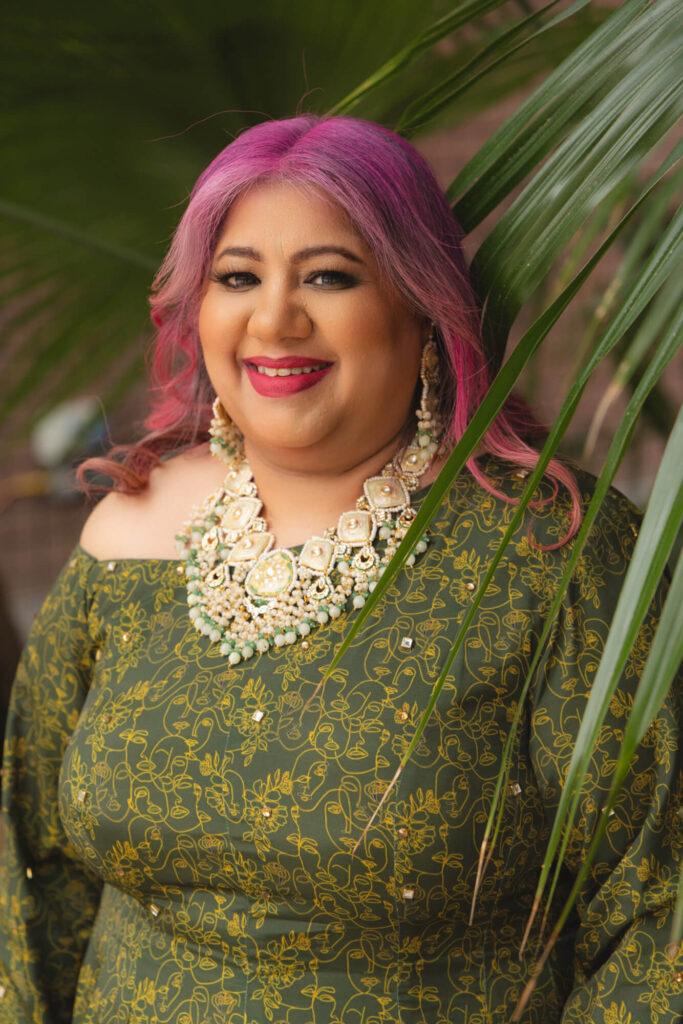
For Lakhmi Bhambra, grief led to entrapment in psychic scams and “course addiction.” After losing her father, she spent tens of thousands of pounds on spiritual mentors who took advantage of her vulnerable grieving state. In order to recover her finances she then became addicted to courses for passive income and self-development as she lost faith and trust in herself. Each course offered hope. Each one left her searching for the next solution. Her awakening came when she realised that she was trying to fill a void through external measures instead of healing herself from within. Now, she empowers others to recognise exploitative schemes and embrace grounded, intuitive wellness rooted in self trust rather than desperation.
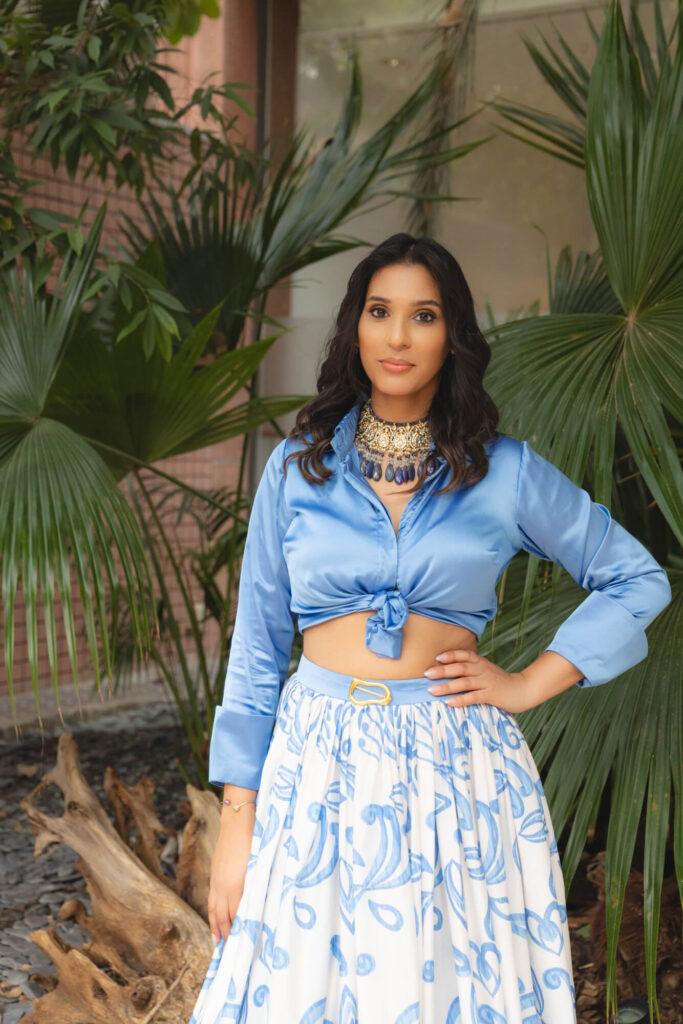
Jag Kumari chose sobriety at 39, identifying her role as a “functional” alcoholic and consciously breaking generational trauma cycles for her daughter. Her decision was not sparked by public crisis, but by private clarity, a powerful reminder that prevention can be just as transformative as intervention.
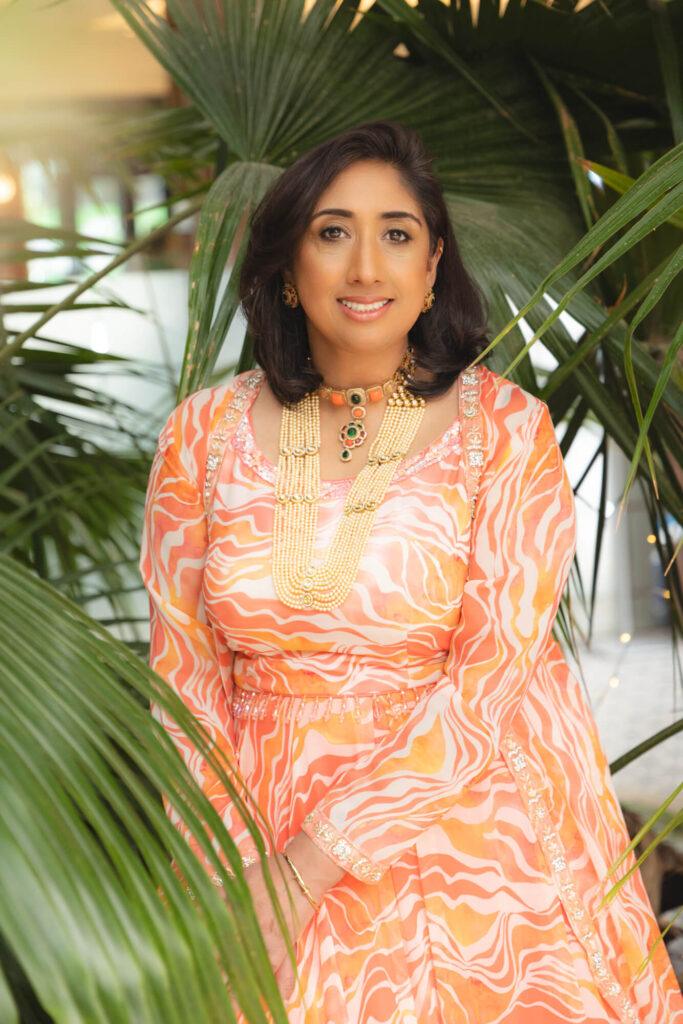
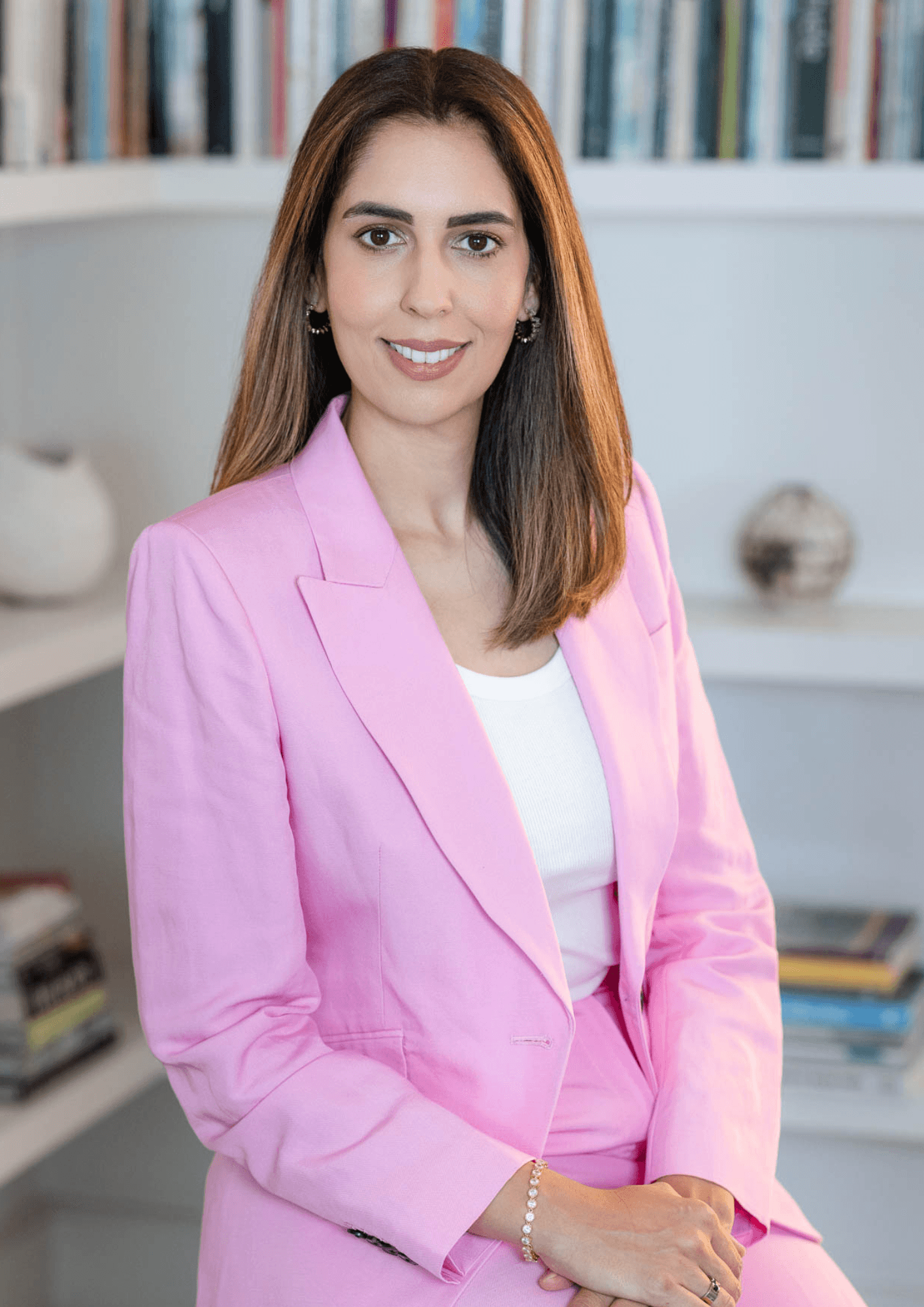
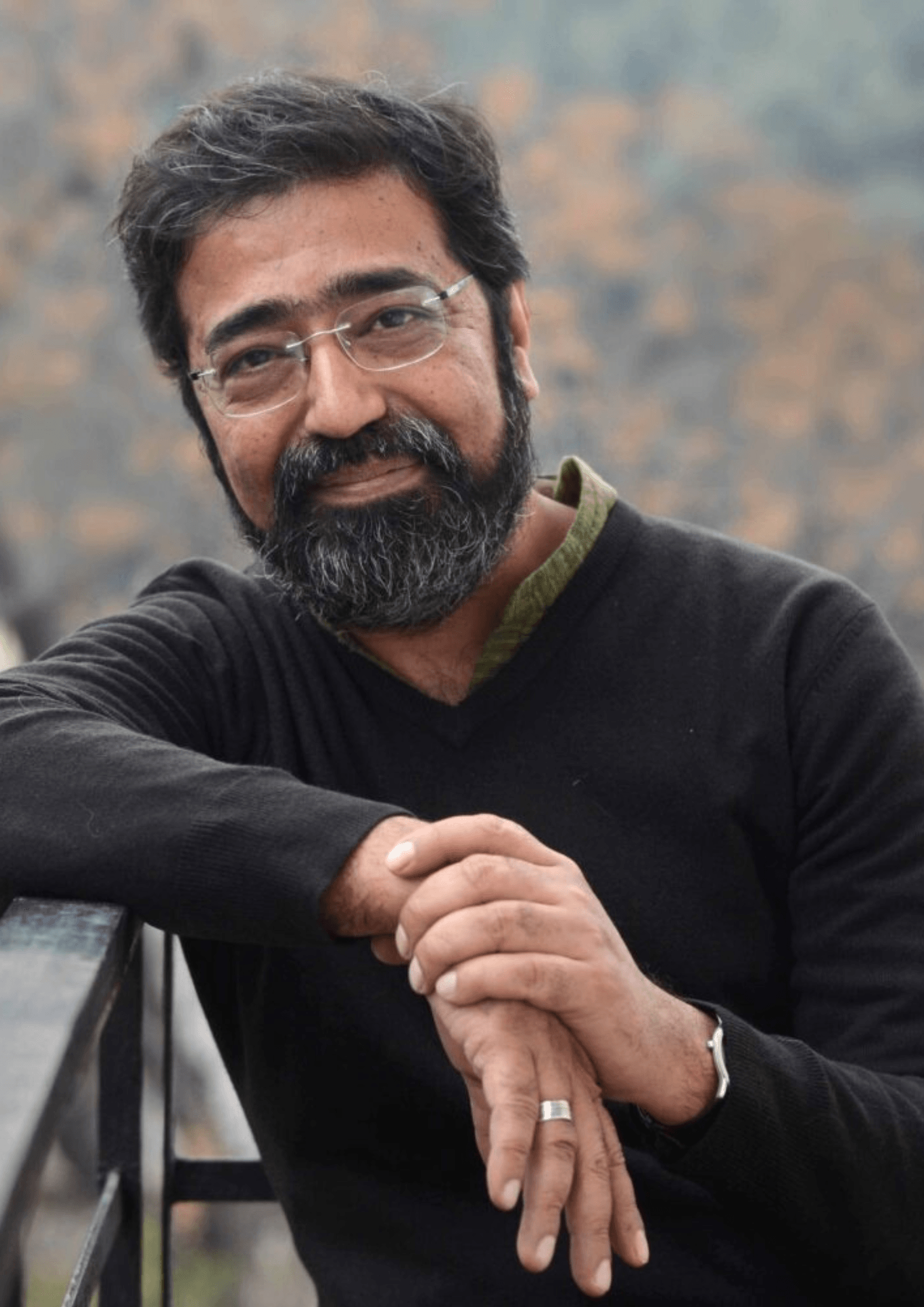
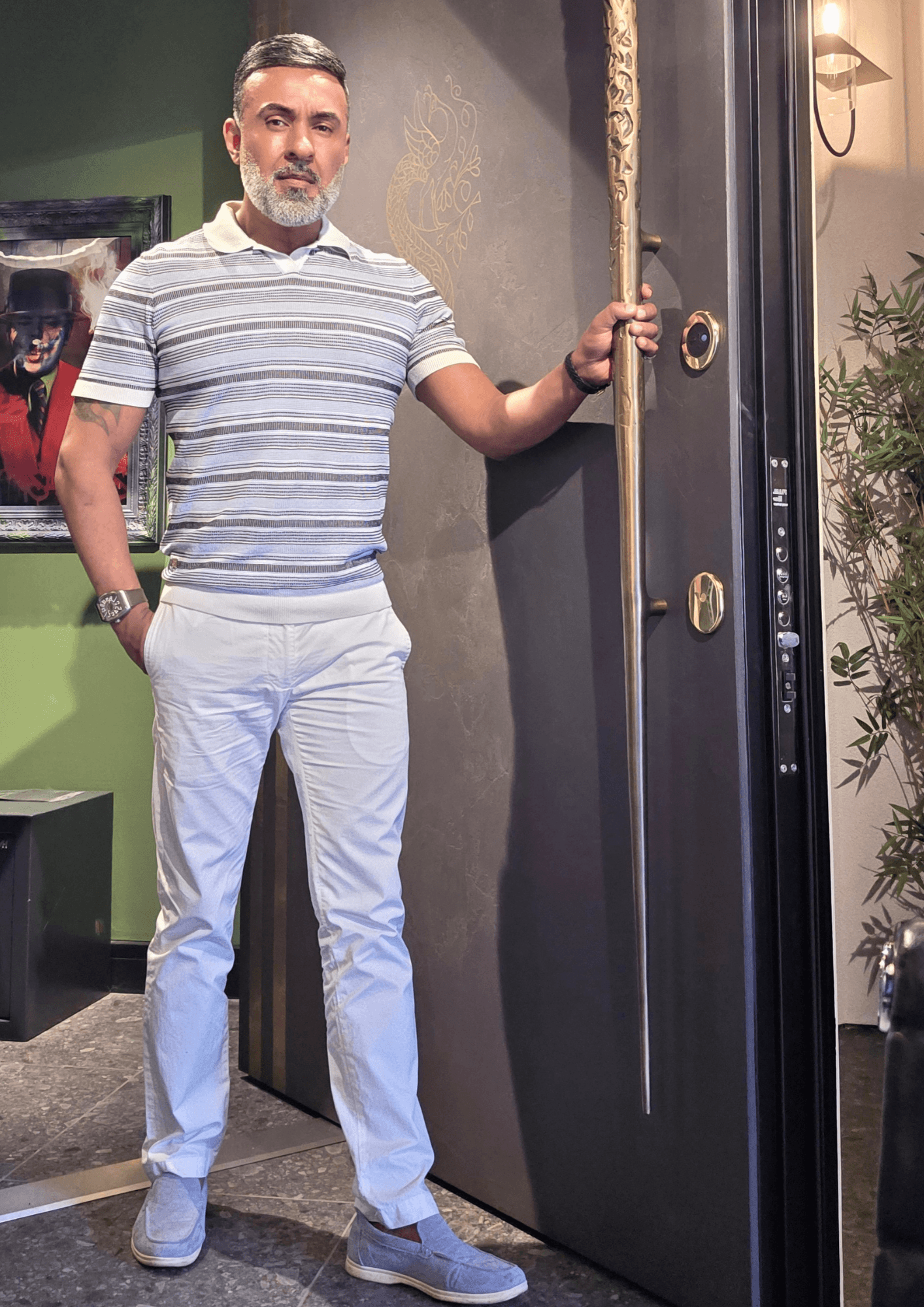
Integral to many of these journeys has been the unwavering support of Harj Gayley, founder of SochCare. Through culturally sensitive outreach, mentorship and structured recovery support, Harj Gayley has played a significant role in guiding and supporting several of the women as they navigated sobriety and self restoration. His work addresses addiction within South Asian communities with compassion, accountability and understanding, creating safe spaces where silence is replaced with dialogue.
In recognition of this impact, The Fashion Brunch has partnered with SochCare for this seventh anniversary edition. All proceeds raised from the charity element of the event will be donated directly to the organisation, ensuring continued access to recovery support for those who need it most. For many of the women walking the runway, SochCare has not simply been a resource. It has been a lifeline.
The Fashion Brunch has always blended glamour with purpose, drawing 250 to 300 dynamic women across industries for panel discussions, Salon Privé showcases, live entertainment and curated networking. But this year marks a defining cultural shift.
By placing addiction and recovery centre stage on International Women’s Day, Anisha Vasani Creates makes a powerful statement: conversations once considered taboo within South Asian communities deserve visibility in the most elevated spaces.
And as each woman steps onto the runway, adorned in couture yet anchored in truth, the message becomes undeniable.
There is no shame in survival.
Only power in reclaiming it.
Credits:
Featuring 8 South Asian Women on their Journey of Healing and Recovery
Reena Chotai – @reenachotai
Sonia Gupta – @_itsasoniathing_
Nisha Chandra – @cockneycopper
Kim Kaur – @brown_addiction_recovery
Jag Kumari – @jagkumari_braveandbelongingx
Maleena Pone – @maleenapone
Reena Bagga – @diariesofreena
Lakhmi Bhambra – @the111approach
Creative Direction and Styling by @anishavasanicreates
Outfits and jewellery by Arinder Bhullar – @arinderbhullar
Hair/Make Up: Ambreen and Team – @ambreenmakeup
Venue: Sheraton Skyline – @sheratonskyline
Photography by OMJ photography – @omjphotography
Videography by BAMN Media Studios – @bamnmediastudios