Football is a sport built on pressure from fans, coaches and even personal expectations. How do you protect your mental well-being in such a high-performance environment?
I’ve been really fortunate with The Professional Game Match Officials Limited (PGMOL). They provide us with sports psychologists who work closely with us before and after matches. They help us prepare, switch off, and build resilience so we are not overthinking decisions under pressure. Having that support system and experts guiding you through the mental side of the job makes a huge difference.
The world of professional sport can be isolating, especially for young players. What have been your biggest learning moments when it comes to dealing with self-doubt or burnout?
As referees, we all make decisions we look back on. We have one look to make a call and we won’t always be right.
Before football, I worked in the prison service, where pressure situations involving violence demanded split-second decisions. That taught me how to stay composed, make a call, and move on.
With burnout, it’s about knowing when to rest. You need to switch off, spend time with family or friends, or do something outside of football. Balance matters.
Growing up, did you ever feel the weight of expectation, either from representing your community or from wanting to prove yourself in an industry where few looked like you?
As a kid, not really. I was just a normal lad playing football in the streets. The pressure came later, once I reached the Football League. Suddenly, I was the next one after my dad, and that does add weight to your shoulders.
But it’s a pressure I’ve learned to enjoy. At the end of the day, I’m doing what I love. It’s important that I keep being the best I can be and keep improving. And I’ve still got a long way to go.
I think I thrive under pressure. Hopefully things are going to get even better now that I am nearing a return to refereeing after a long term injury.
You started playing football at a young age and made your way into one of the world’s most competitive leagues. What kept you motivated through the years of training, rejection and persistence? What does a typical day of preparation look like for you mentally and physically before a big match?
In my first seven or eight years of refereeing, life was simple. Weekend matches and pure enjoyment.
The real shift came when I moved closer to the professional game. Suddenly, fitness, perception, diet and discipline mattered.
As an Asian kid growing up on traditional food, I never thought about nutrition. I was taken off a game once, and it hit me that if I wanted to succeed, I had to change everything. How I trained, how I ate, how I lived.
Sacrifice became part of the journey. Preparing separate meals from the rest of the family, training harder, and staying disciplined. But once you start seeing progress, it becomes a lifestyle.
In football, your fitness and how you present yourself on TV matter. Overcoming that challenge has been one of the hardest but most rewarding parts of my career.
British South Asian representation in football is still rare, but it feels like we are at a turning point. Do you sense the next generation coming through with more confidence and visibility?
Progress is happening. There are more programmes and more conversation, but we are still not where we need to be.
Cultural expectations play a role too. Many parents prioritise education and overlook the value of sport for confidence and mental health.
We are turning a corner, but there is still a long journey ahead. I hope the next generation sees more opportunity and more faces that look like theirs.
You’ve spoken about your family’s support and the values you were raised with. How have those early lessons helped you navigate the challenges of a professional career?
Coming from a family of referees, I’ve always had support. My dad was a referee, and my brother is an assistant referee in the EFL Championship. They have both been deeply involved in the game, so we have built a strong network at home.
The biggest lessons were simple. Enjoy what you do, work hard, and accept that sacrifice is part of success. You are going to get knocked down, especially in refereeing, but you learn to get back up, brush yourself off, and go again.
Outside football, how do you switch off? What brings you joy or balance away from the game?
Family time is everything. Planning holidays, watching the kids grow up.
I’ve really got into playing padel, though I haven’t played since my injury. I’m also studying nutrition and reading about health and life balance. Those things keep me grounded.
Looking ahead, what are your biggest goals, not just in football but as a person and role model for the next generation?
In the next five years, I want to establish myself fully as a Premier League referee. That is the big goal.
And honestly, if more South Asians get into football or refereeing because they saw me do it, that would be one of my proudest achievements.
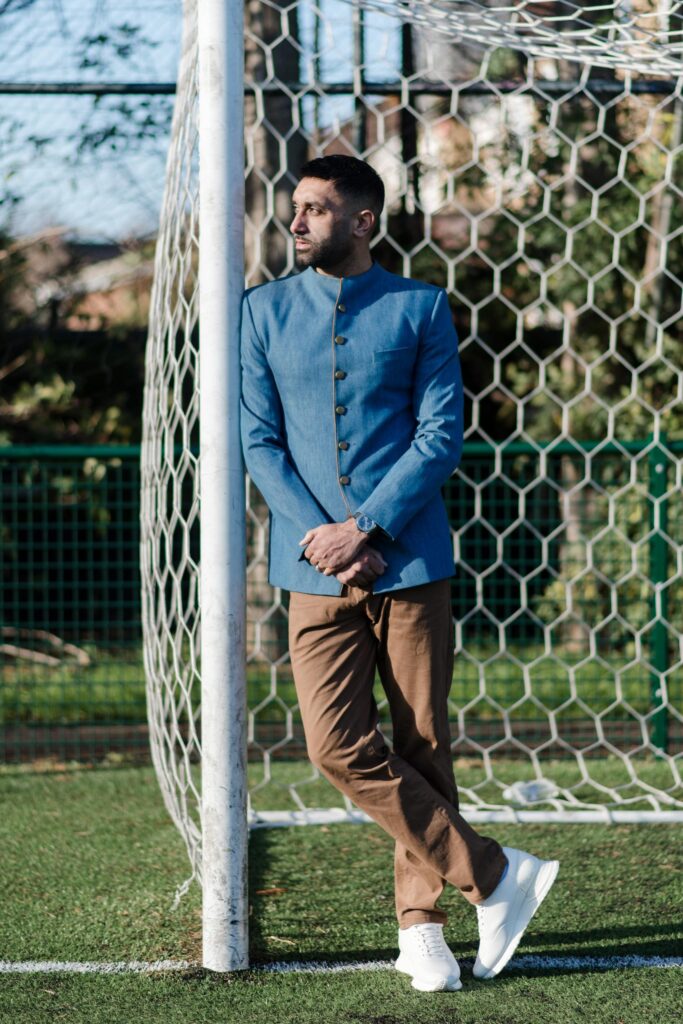
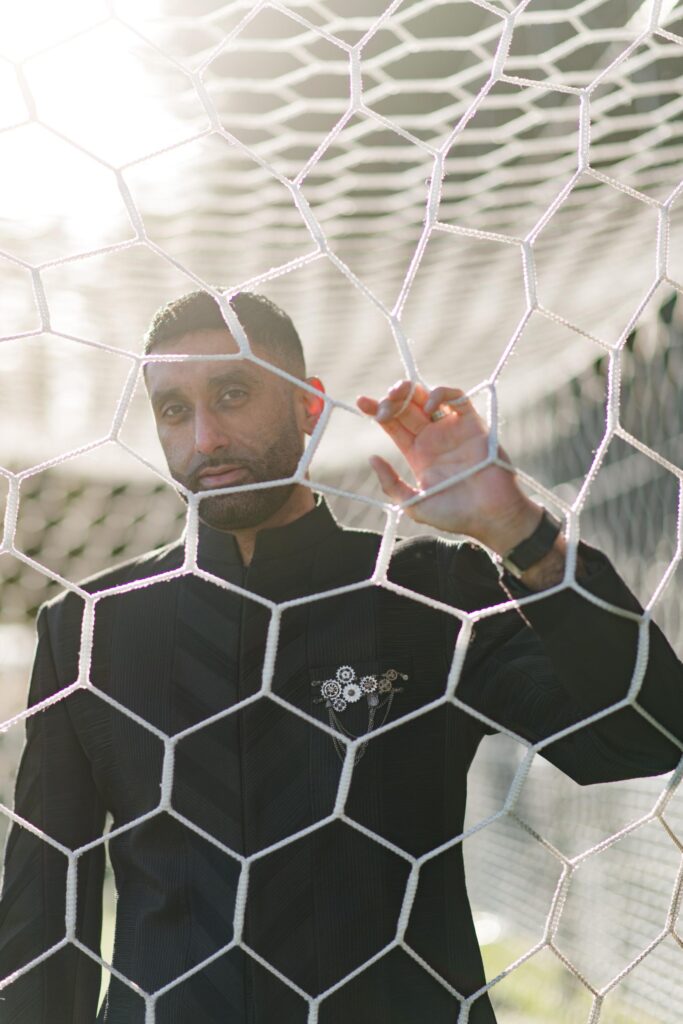
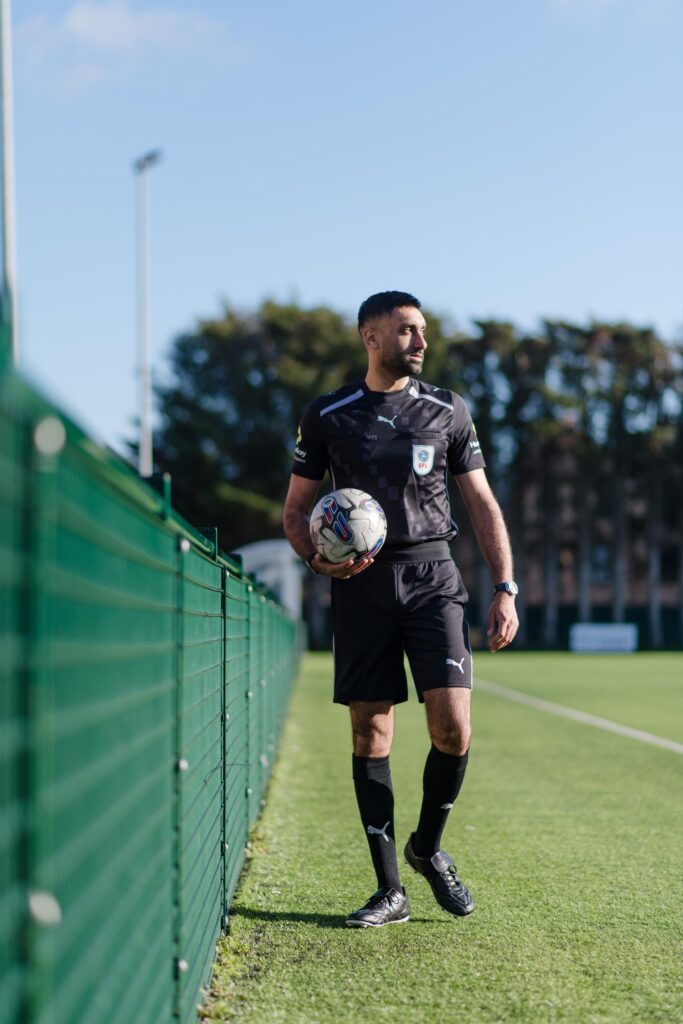
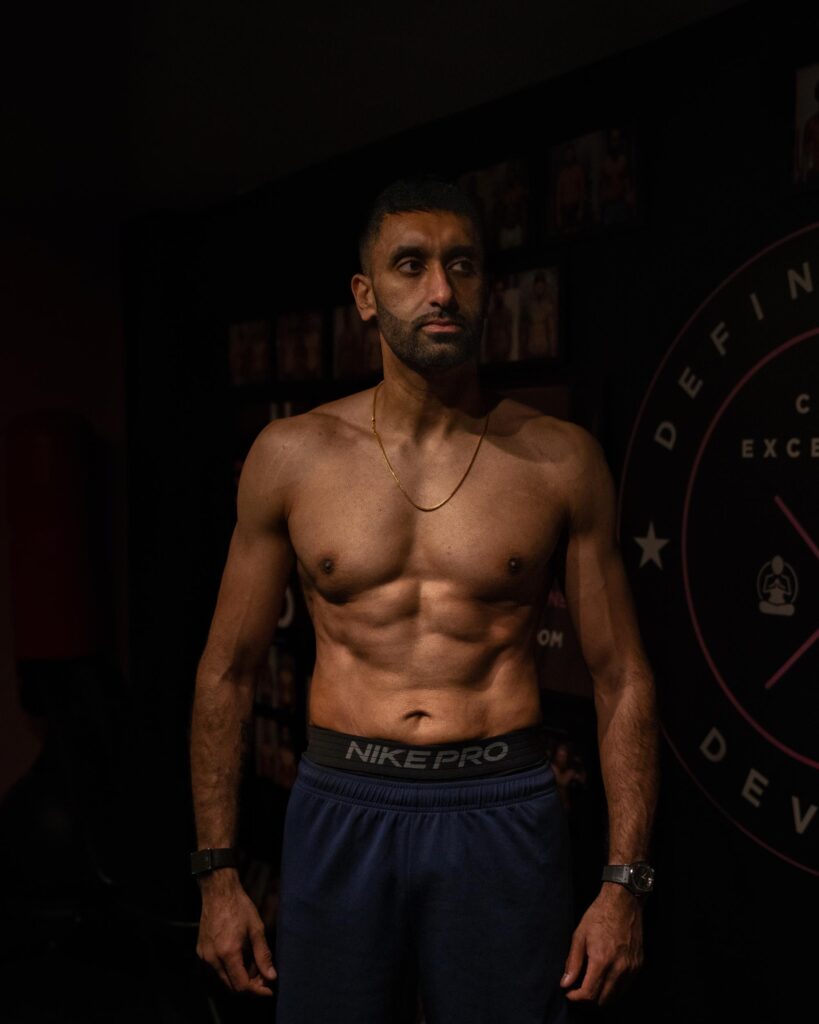
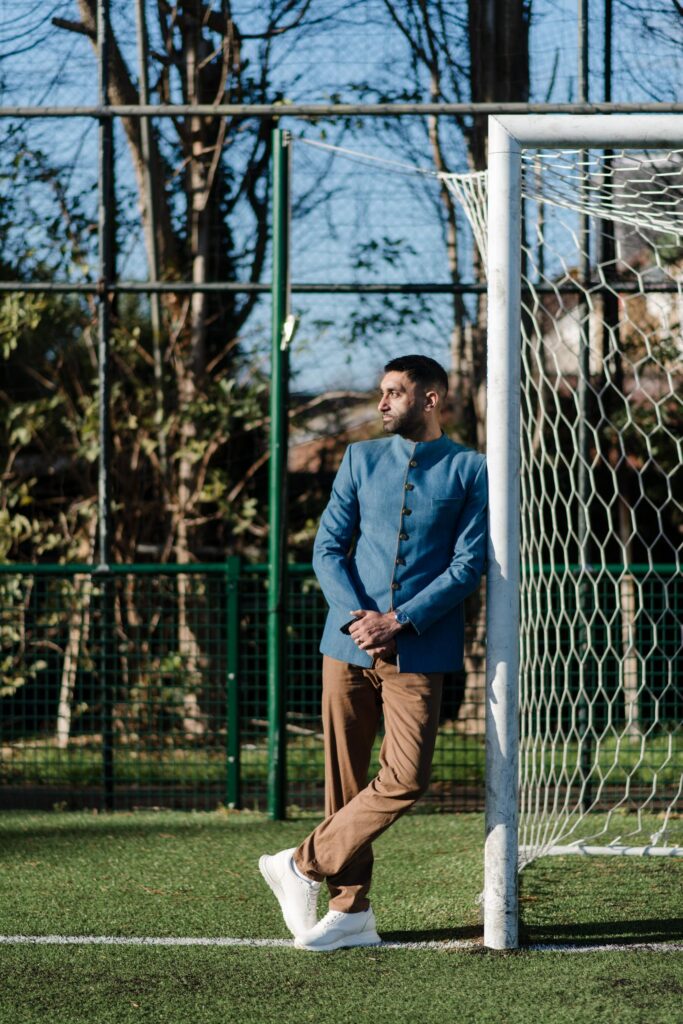
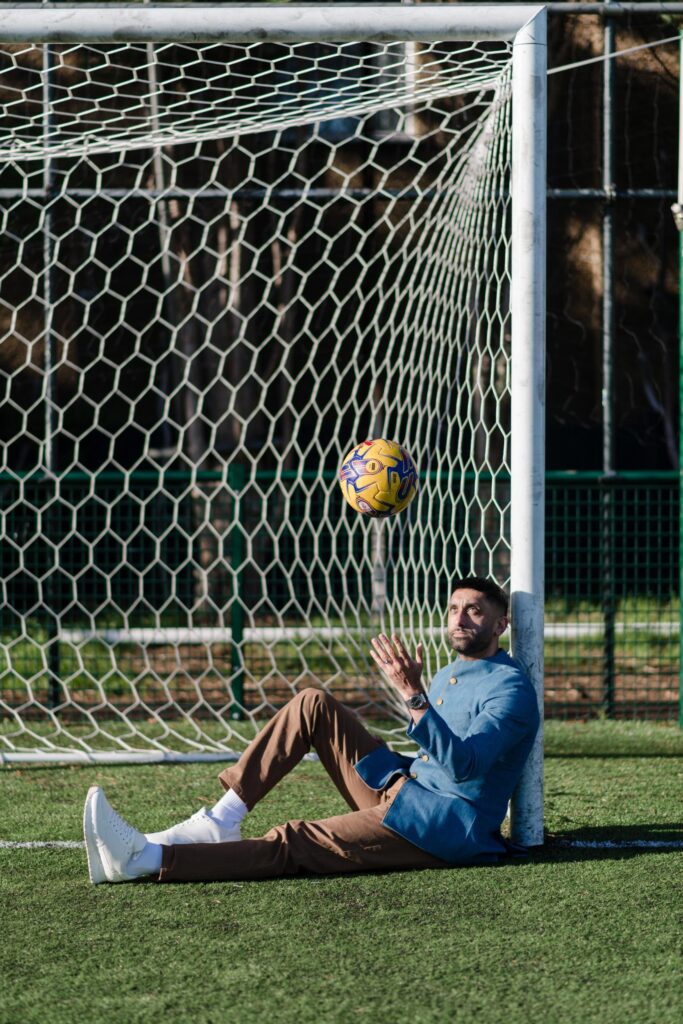
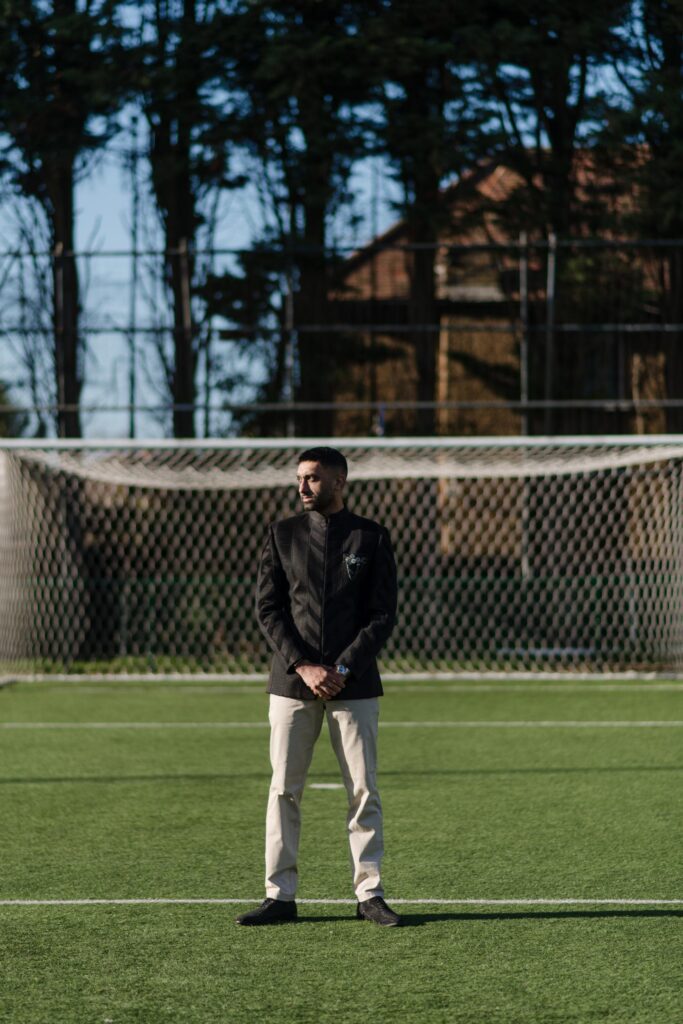
Outfit – Bibi Man (@bibiman__)
Photography – Deepa Shukle Photography (@deepashuklephotography)
Creative Direction and Styling – Anisha Vasani (@anishavasanicreates)
Sunny’s Transformation Coach – Devin Vadher (@the.dvnci.code)
Location – Rayners Lane Football Club (@raynerslanefc)
Sunny’s Instagram – Sunny Singh Gill – (@sunny_gill_referee)