Men often reach breaking point long before they realise they are breaking. They push on. They stay composed. They hold the world together with a kind of silent determination. But inside, something begins to loosen – breath tightens, joy fades, presence slips quietly through the cracks. This slow unravelling is where The Chande Project truly began: in the private recognition between two high-achieving South Asian men that their lives looked strong but felt quietly suffocating.
Shiv, a GP, and Rajiv, formerly in investment banking risk management, never intended to create a wellbeing platform. It started with conversations, candid, vulnerable, and deeply honest, about the kind of men they had become, and the men they no longer wanted to be. What emerged from those conversations is something many men only realise too late: stillness, softness, connection and emotional expression are not luxuries. They are lifelines.
Shiv speaks plainly about his own turning points. “When I have struggled, what I have needed most is permission to speak openly about my emotions.” As a doctor, he had spent years tending to others’ wellbeing while quietly fraying inside. The pressure, the pace, and the expectation to always be the dependable one wore him thin. He absorbed everything until he couldn’t anymore. “At one point, I had a panic attack during a presentation. It hugely affected my confidence. I barely spoke about it.” The panic attack wasn’t what broke him, the silence that followed did. “As men, we often feel we have to be the ones who have it all together, who figure things out on our own and shoulder the burden. There is a lot of self-directed blame and shame around not doing well. That makes it even harder to talk.”
His response wasn’t a collapse, but a quiet recalibration. He began to return to yoga, meditation, Eastern philosophy, reading, coaching – not as tasks to tick off but, as he says, “a way back to himself.”
Rajiv’s unraveling took place in a different setting but carried the same emotional weight. “I was functioning, but I was not really feeling,” he reflects. In banking, he became someone others admired but someone he was slowly losing from within. “For a long time, I was living a version of success that looked good from the outside but did not feel great on the inside.” His father’s death accelerated this shift. “Overnight, I was given this unofficial title of ‘man of the house.’ No one explains what that actually means, but you absorb the message instantly: be strong, be composed, don’t show cracks.” He carried those expectations until they began to cost him. “My burnout did not arrive as a dramatic crash. It crept in quietly.”
The warning signs were gentle but insistent. He remembers not being fully present, something his mother noticed before he did. His breathing tightened. His energy dimmed. Small things became overwhelming. But the deepest rupture was a feeling of disconnection. “You can be capable, smart, and ambitious, and still be unfulfilled,” he says. The problem was not weakness – it was misalignment.
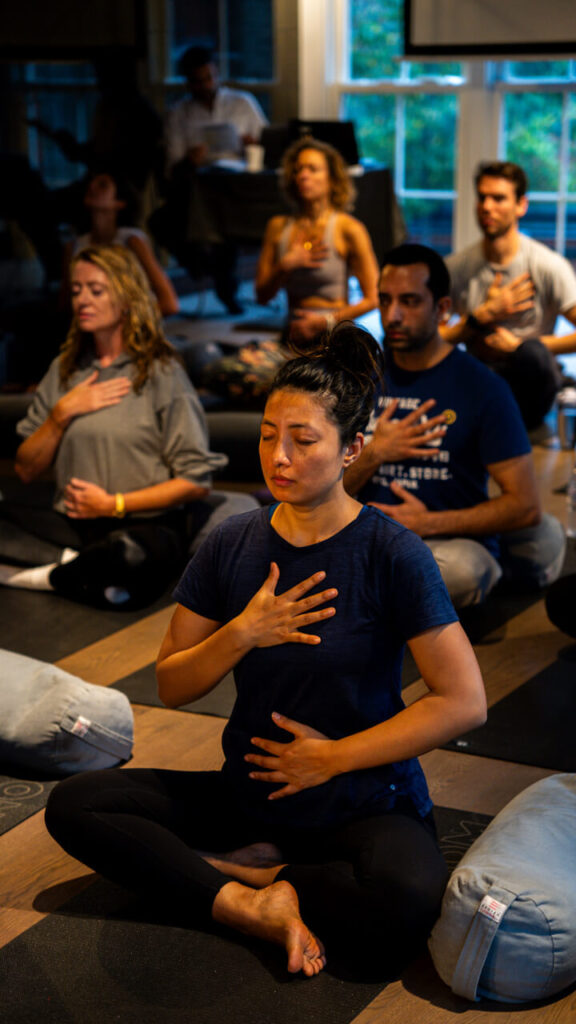
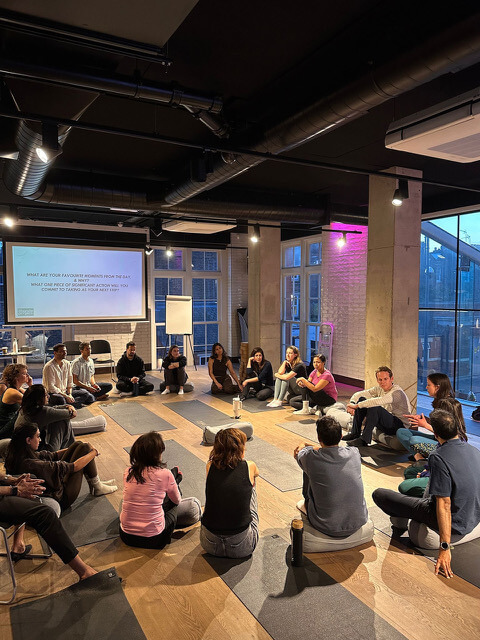
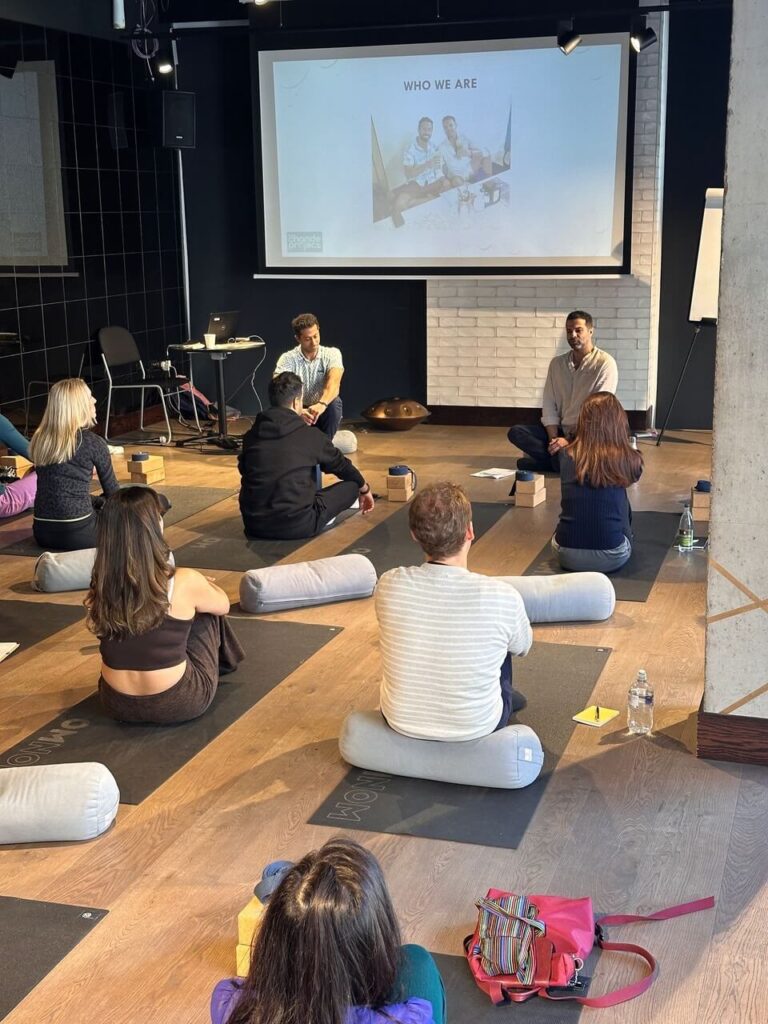
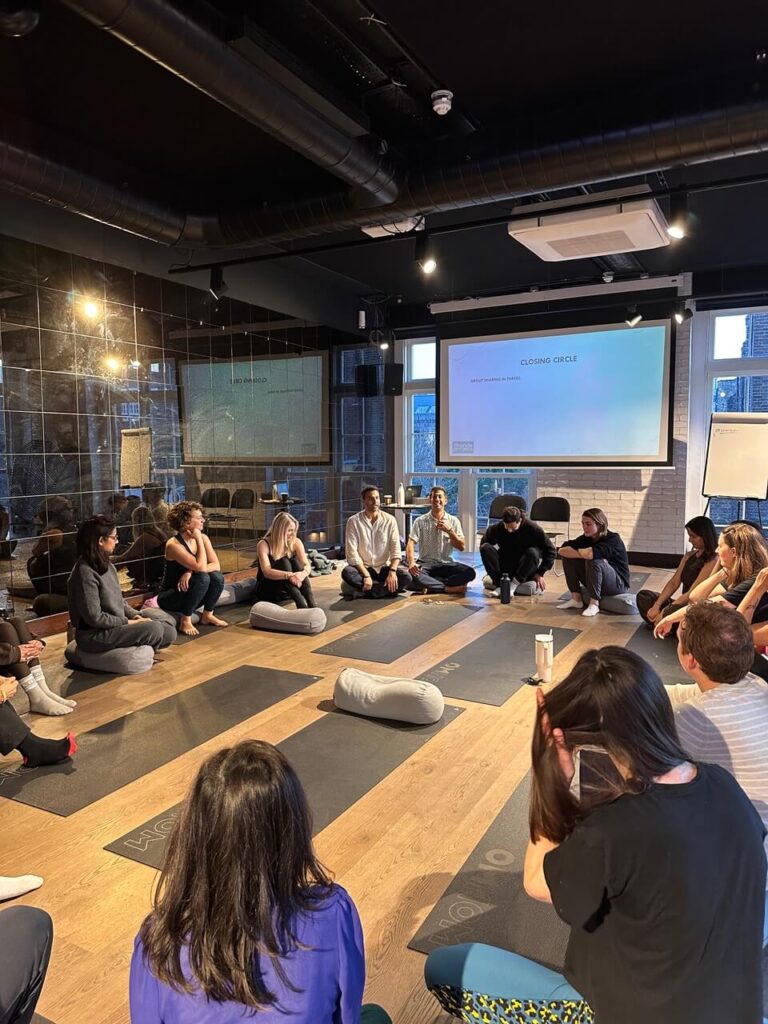
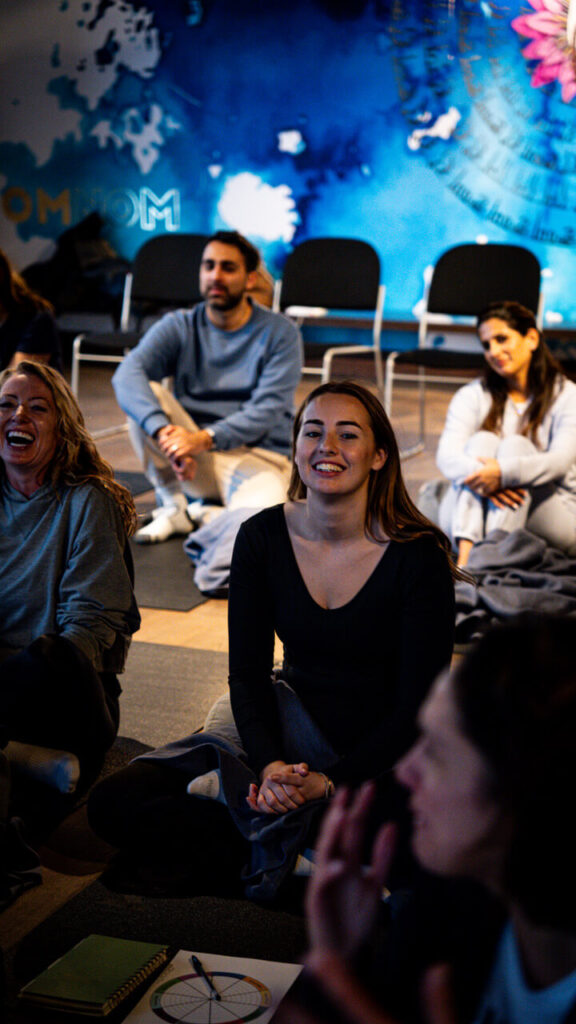
What neither man expected was that their private reflections would lead to something communal. In 2024, unsure of where this work might lead, they hosted a retreat. They didn’t feel fully prepared to hold space for teaching; what they did feel was the profound need for men, especially South Asian men, to have spaces where they could be real. The retreat unfolded imperfectly, sincerely, and with a rawness they hadn’t anticipated. “It was full of magic,” Rajiv says. “We saw people soften. Come alive. Drop their masks. Laugh like kids. Connect like they hadn’t in years.” At one point, he and Shiv looked at each other and said, wow – we made this happen. That moment became the quiet realisation that this work, creating spaces where men can breathe again, was exactly what they were meant to be doing.
Their insight into men’s emotional landscapes is as intimate as it is sobering. Shiv sees it daily in his medical practice. “Men come in and start talking about something surface level, and then suddenly there is this burst of emotion that has clearly been bottled up. Often they only come at breaking point. It is like watching the lid finally come off.” Men do not hide because they feel nothing, he explains. They hide because they don’t want to burden, disappoint, or lose respect. “What we are not talking about enough is that you can express emotions and still be a stoic warrior,” Shiv says. “It does not have to be one or the other.”
Being South Asian adds its own cultural texture to this silence. “In many of our communities, vulnerability is still misunderstood as weakness,” Rajiv says. “That old ‘man up’ narrative is strong.” But he also sees a shift. “I genuinely believe it is changing. More of us are ready to talk, we just need the right conditions.” For him, honesty has now become synonymous with strength. “Wearing your heart on your sleeve is not a flaw. I feel things deeply, I care deeply, and I now see that as strength.”
Both men have become fluent in identifying the early signs of emotional overload that men often dismiss. Rajiv describes them with clarity: “When you stop feeling like yourself. When you stop feeling joy. When your body is tense a lot of the time. When your relationships start fading into the background. When your ambition is driven by fear rather than inspiration.” Shiv recognises the subtler behavioural cues. “For me, it can look like watching more TV, scrolling more on my phone, or drinking more alcohol than I usually would. Sugar is another one.” None of these behaviours look dramatic, but all of them are the body’s way of saying: slow down.
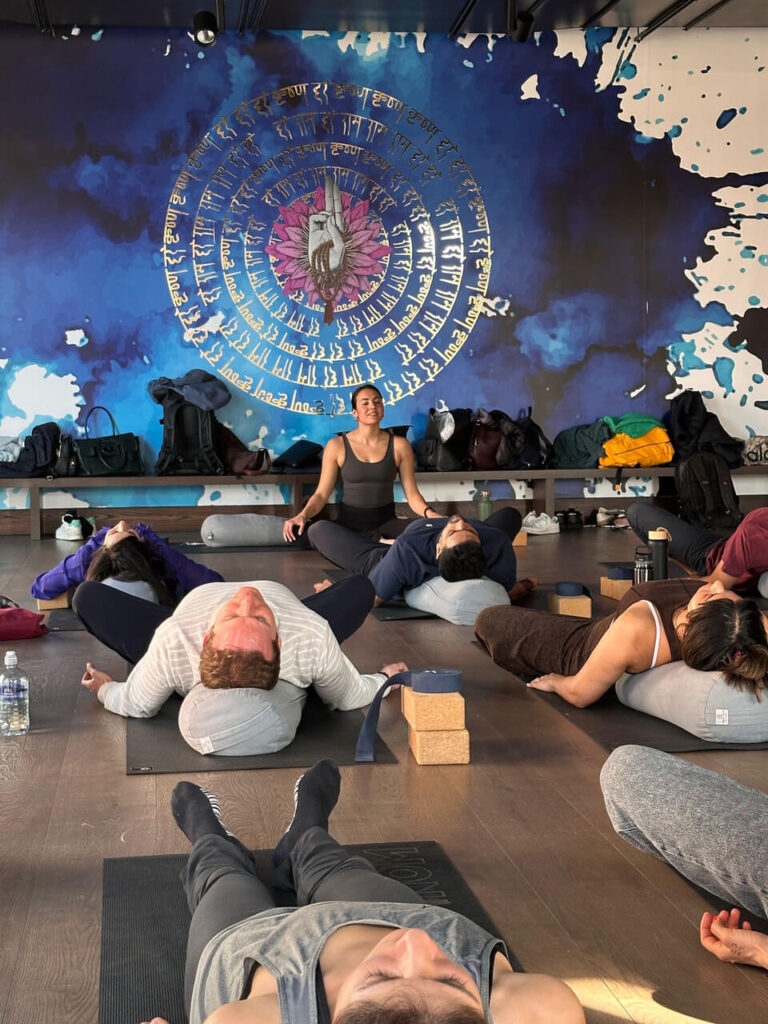
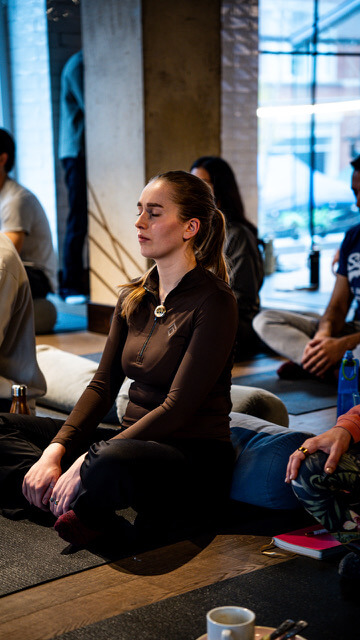
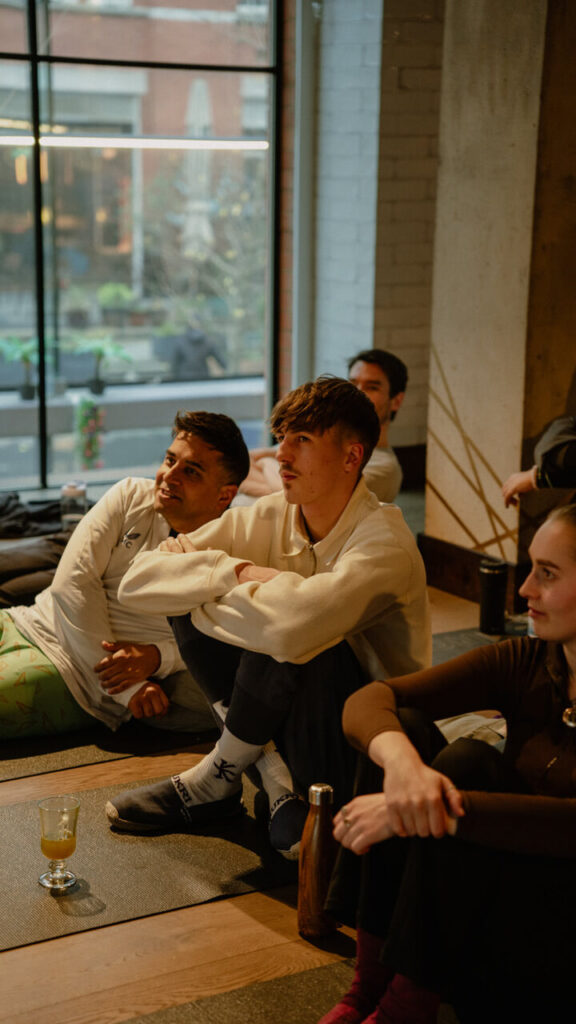
What has surprised them most is how deeply effective certain tools can be once men give themselves permission to explore them. Yoga, meditation, breathwork, movement- practices traditionally associated with women in the West – can be transformative. “Interestingly, in India, yoga was traditionally practised more by men than women,” Shiv notes. He still recalls the shock of his first yoga class. “I walked in thinking I was a fit, strong footballer and it would be easy. Within minutes I was absolutely covered in sweat while everyone else calmly held the poses.” What stayed with him was not the difficulty but the change it sparked. “It has given me presence, a calmer mind, access to creativity and flow states.” The resistance men feel, he says, is rarely about the actual practice — it’s about permission.
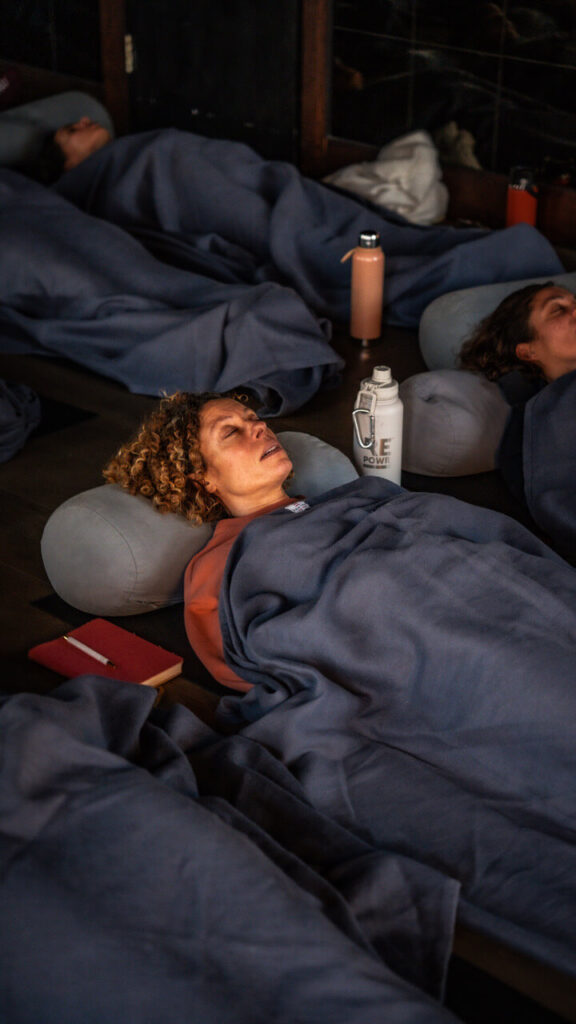
And when men finally feel safe, something extraordinary happens. Rajiv describes watching their retreats unfold: “You can literally see the guard drop. Their energy shifts. A part of them lights up that has been dimmed for a long time.” He is still struck by how quickly the softening can occur. “One moment of honesty from one man, and the whole room exhales. Give men permission to be human, and they step into it almost immediately.” Shiv remembers a man who arrived sceptical and closed, only to leave transformed. “By the end, he was blown away by how powerful the connection and sharing felt.” Men do not lack emotional depth – they simply lack spaces where depth is allowed.
Looking ahead, both men hope to contribute to a future with softer edges. Rajiv dreams of a decade in which men don’t wait for crisis to seek support. “My hope is that emotional check-ins, community, and conversations about inner wellbeing become completely normal long before breaking point.” Shiv imagines a masculinity that is spacious enough to hold calm, intuition and emotional fluency. “I think the idea of a man as someone who suppresses his emotions is fading,” he says.
For both, The Chande Project is not about having the answers. It’s about creating containers where something real can happen – where men can take the armour off, feel seen, grounded and connected, and experience the relief of returning to themselves. Or as they put it, “We don’t have all the answers. But we know how to create a space where something real can happen.”
A space that feels, to many men, like the first full breath they’ve taken in years.