For generations, Bollywood dance has existed everywhere and nowhere at once.
On cinema screens and wedding stages. In school halls, community centres and living rooms across the South Asian diaspora. It has shaped identity, storytelling and collective joy, yet rarely carried the formal recognition afforded to other global dance disciplines. Visible, celebrated, widely practised, but seldom legitimised.
Bollywood dance has long lived in the space between passion and profession: culturally vital, academically overlooked. That is now beginning to change. With the launch of the world’s first global, online, accredited Bollywood dance qualification, a form central to British Asian cultural life enters a new chapter – one that reframes dance as education, progression and profession.
Foundations before scale
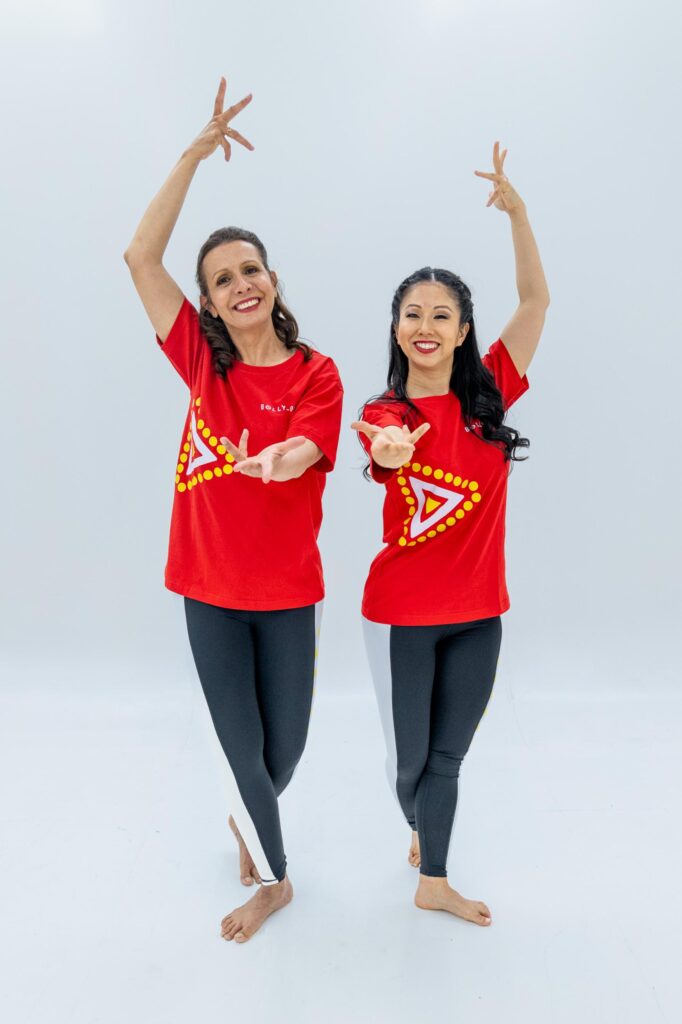
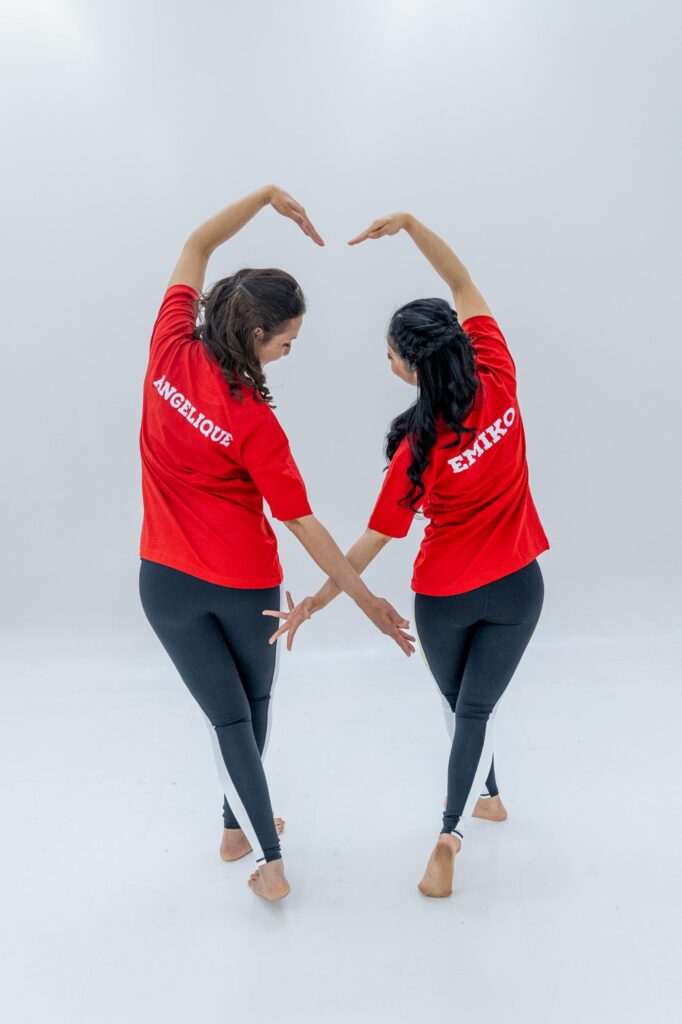
For Angelique Parvez, the journey began nearly a decade ago, when her London-based dance school, Dance To Inspire, became accredited through an international dance examination body.
At the time, the focus was local, but the intention was rigorous. “It wasn’t about accolades,” Parvez explains. “It was about recognising the years students and parents had invested, and giving them a solid foundation in dance. I wanted their commitment to be respected in the same way other dance disciplines are.”
Working closely with the exam body, Parvez applied their pedagogical knowledge and adapted a Bollywood examination framework for her school. From there, she developed a Diploma in Bollywood Dance and a structured teaching pathway within Dance To Inspire.
At Dance To Inspire, the impact of accredited training extends well beyond technique and certificates. Students gain something intangible too: recognition of effort, confidence in progression and a language to articulate their growth. “We see students arrive shy and leave with posture, pride and self-belief,” Parvez reflects.
For South Asian women students in particular, that transformation can be profound.
From local legitimacy to global vision
The leap from local accreditation to global qualification came later, and it came through collaboration.
Together with her business partner Emiko Jane Ishii, an internationally recognised Bollywood educator and artist, whose international outlook and global vision reframed what was possible, they co-founded BollyOn Dance™ – a joint venture designed to take the qualification global. “I never imagined it becoming global,” Parvez admits. “That shift came through Emiko’s vision, seeing that what we had built locally could meet a worldwide need.”
Through BollyOn Dance, the Diploma in Bollywood Dance and the Professional Bollywood Teaching Qualification were re-engineered for online delivery, making them accessible internationally while maintaining professional standards. What BollyOn Dance represents is not simply scale, but recognition – of an art form practised, taught and loved for decades without ever being structurally acknowledged alongside ballet, contemporary or classical Indian dance.
This marks a decisive shift. One that places Bollywood dance not just on stages and screens, but within recognised educational and professional frameworks worldwide.
A discipline without an institution
Bollywood dance has always occupied a curious position. Instantly recognisable, globally consumed, culturally influential, yet often dismissed as informal or recreational. Unlike classical Indian styles such as Kathak or Bharatanatyam, which developed codified syllabi and grading systems, Bollywood dance evolved organically through cinema, migration and cultural exchange. Its greatest strength was its accessibility. Ironically, that same accessibility worked against its legitimacy. “Bollywood dance was everywhere culturally, but nowhere institutionally,” they explained. “It was viewed as entertainment rather than a disciplined art form. Without recognised pathways, teachers and dancers weren’t taken seriously.”
The result was a paradox: a dance style everywhere, yet nowhere on paper.
By introducing accreditation at a global level, BollyOn Dance repositions Bollywood dance as a discipline capable of real progression. For students, this means structured development and recognised outcomes. For parents, institutions and funders, it reframes dance as more than an extracurricular hobby. “We want Bollywood dance to be seen not just as fun,” Ishii explains, “but as something that builds confidence, cultural literacy, belonging and real skills – something institutions can genuinely respect and invest in.”
This carries particular weight within British Asian families, where creative careers have often been perceived as risky or unserious. Accreditation introduces a shared language of structure, standards and outcomes, bridging the gap between cultural passion and professional credibility.
Credibility, without compromise
Creating something entirely new rarely comes without resistance. Positioning an accredited Bollywood dance qualification required navigating both the dance world and the education sector, spaces shaped by hierarchy and convention. “One of the biggest challenges was being taken seriously while staying authentic,” Ishii says. “Social media has blurred the line between popularity and professionalism. But good teaching requires training, safeguarding, structure and responsibility.”
Here, cultural integrity and professional rigour are not opposing forces – they are mutually reinforcing.
Modern Bollywood dance is, by nature, hybrid. It draws from classical Indian forms, folk traditions and global dance styles, set to the language of cinema. That hybridity mirrors the lived reality of the British Asian experience. “Bollywood reflects who we are,” Parvez explains. “Not split between identities, but made richer by both, rooted in heritage while living in a modern, global world.”
Rather than diluting tradition, fusion allows culture to breathe.
Structure as protection
One concern often raised around accreditation is whether formalisation risks stifling creativity. In this case, the opposite appears true. Structure becomes protection, a way to document lineage, honour influences and establish standards, while allowing evolution. “Formal education is how you stop culture being diluted or lost,” they say. “You honour where it comes from, and you give the next generation permission to take it forward respectfully.”
This matters deeply in diasporic contexts, where traditions risk being flattened or disconnected from their origins.
Behind the systems and frameworks, Parvez is clear that this journey was not taken alone. She credits Zamiha Desai and RecommendAsian as instrumental sources of support during the long years of development. It is a reminder that institutional change is rarely built in isolation – it is sustained through community, trust and shared conviction.
Since launching its global platform last year, BollyOn Dance has already enrolled students across the UK and internationally, a quiet but significant proof of demand. Looking ahead, accredited Bollywood dance has the potential to reshape the creative landscape, opening doors to funding, education partnerships and long-term sustainability. “For British Asian arts to truly thrive, we need more than stages,” they say. “We need systems and structured training.”
More importantly, BollyOn Dance reframes what is possible. It asserts that cultural expression and professional credibility are not mutually exclusive, that joy and rigour can coexist.
Every movement has a moment when something informal becomes formal; when something loved becomes respected on paper as well as in practice. For Bollywood dance, this may be that moment. “We’re not just training dancers,” they conclude. “We’re shaping future teachers, leaders and cultural custodians. Passion, supported by training and qualifications, creates confidence, credibility and futures that last.”
Not an endpoint – but a foundation.
Instagram: instagram.com/bollyondance