Every year, it happens almost without fail. We book the holiday, organise the flights, buy new outfits, research the restaurants and count down the days until we can finally switch off. Then, somewhere between ordering the suitcase and checking in online, reality arrives. We catch sight of ourselves in the mirror, try on last year’s holiday clothes and make the same promise we’ve made countless times before.
“I need to lose weight. Fast.”
Suddenly carbohydrates disappear from the plate, gym sessions double overnight, social invitations are declined and every meal becomes something to survive rather than enjoy. Rice is blamed. Rotli is banished. Curry is viewed with suspicion. We convince ourselves that if we can just be disciplined enough for a few weeks, everything will somehow fall into place before we step onto the beach.

The problem is that most of us have lived this cycle before. We lose a little weight, spend the holiday worrying about every meal, return home exhausted and, within weeks, everything slips back to where it was. The holiday comes and goes, but the habits never really change.
Perhaps the biggest mistake is believing that our body should be the last thing we prepare before going away.
The best summer plan is not the one that helps you lose as much weight as possible before your flight. It is the one that leaves you feeling stronger, healthier and more confident long after the tan has faded. Real transformation does not come from eating as little as possible, punishing yourself with endless cardio or avoiding every meal that brings you joy. It comes from learning how to eat well, train effectively and build habits that still work when life inevitably becomes busy again.
For many South Asians, however, that journey is rarely as straightforward as the fitness industry makes it sound.
For years, mainstream health advice has expected South Asians to fit into programmes that were never really designed with our lives in mind. Cultural food is too often dismissed as unhealthy, family expectations are overlooked and celebrations are treated as obstacles to overcome rather than an important part of life. Women’s health is frequently reduced to “eat less and move more”, despite the very real impact of hormones, menopause, PCOS, pregnancy and the countless responsibilities many women carry every single day.
BodyGoalsByJK believes South Asians have not failed fitness. Instead, much of the fitness industry has failed to understand South Asians.
That understanding goes far beyond knowing the calories in a samosa. It is recognising that declining food prepared by your mother or grandmother can feel disrespectful. It is understanding why weddings stretch across several days, why aunties lovingly insist you have another ladoo because “it’s good for you”, why family opinions often carry enormous influence and why food is woven into our identity, traditions and relationships. When advice ignores those realities, it becomes almost impossible to follow for long.

The answer, they believe, is not to avoid real life. It is to build healthy habits that actually work within it.
One of the biggest myths they regularly challenge is the idea that traditional South Asian food is somehow the enemy. For decades, rice has been blamed for weight gain, rotli has been pushed aside and curries have been labelled unhealthy, leaving many people believing they must replace the meals they grew up loving with chicken salads and plain vegetables if they ever want to lose weight.
The reality is far less dramatic.
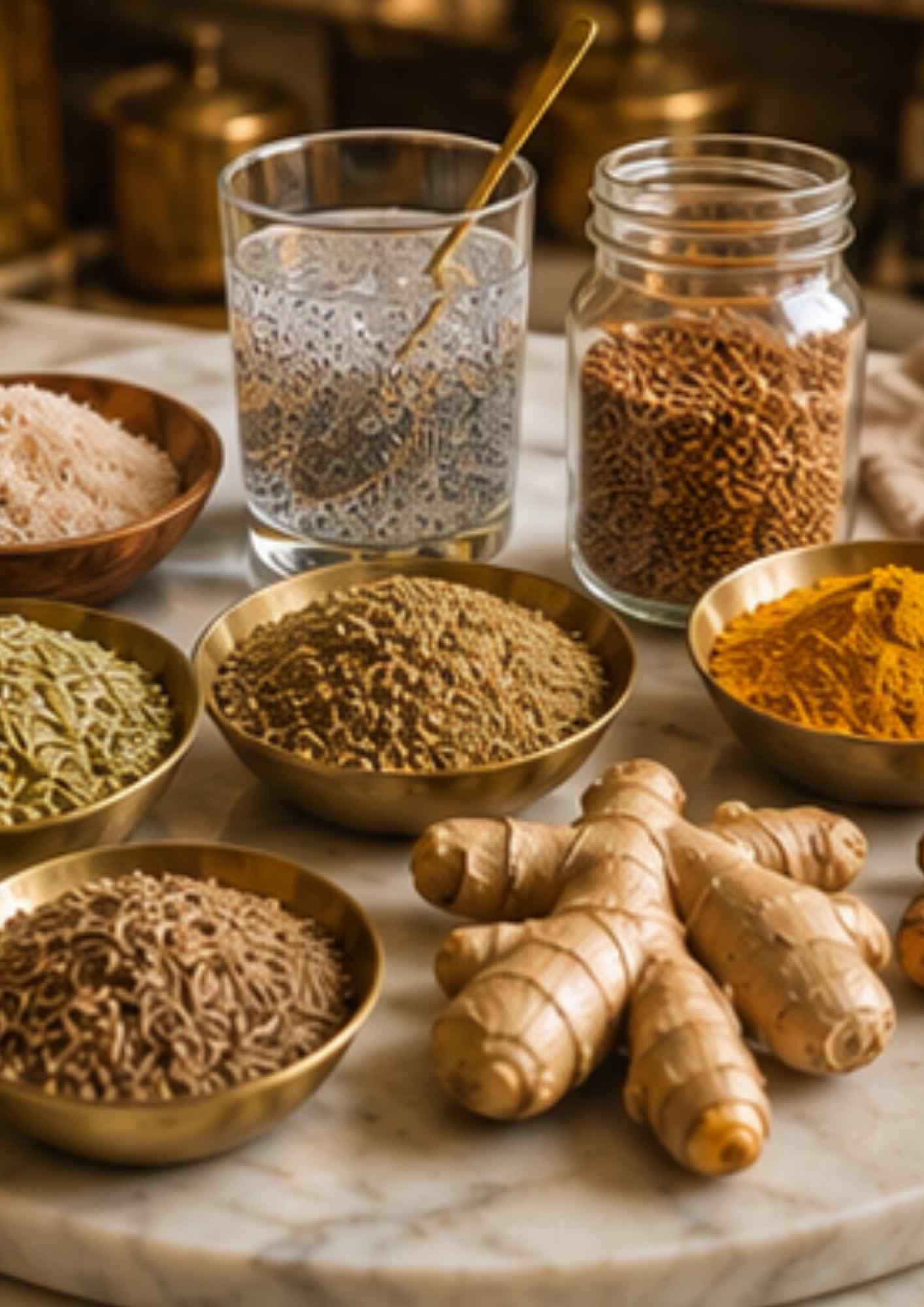
Traditional South Asian food can be incredibly nutritious, varied and satisfying. The challenge is often not the cuisine itself, but how meals are balanced. Rather than removing carbohydrates altogether, BodyGoalsByJK encourages clients to build meals around a meaningful source of protein while keeping foods such as rice, rotli, potatoes and naan on the plate in sensible portions. Paneer, tofu, lentils, eggs, Greek yoghurt, chicken, fish and beans all become part of creating meals that are filling, nourishing and realistic enough to maintain beyond a few weeks of dieting.
Their philosophy is simple. Don’t replace your culture. Upgrade your plate.
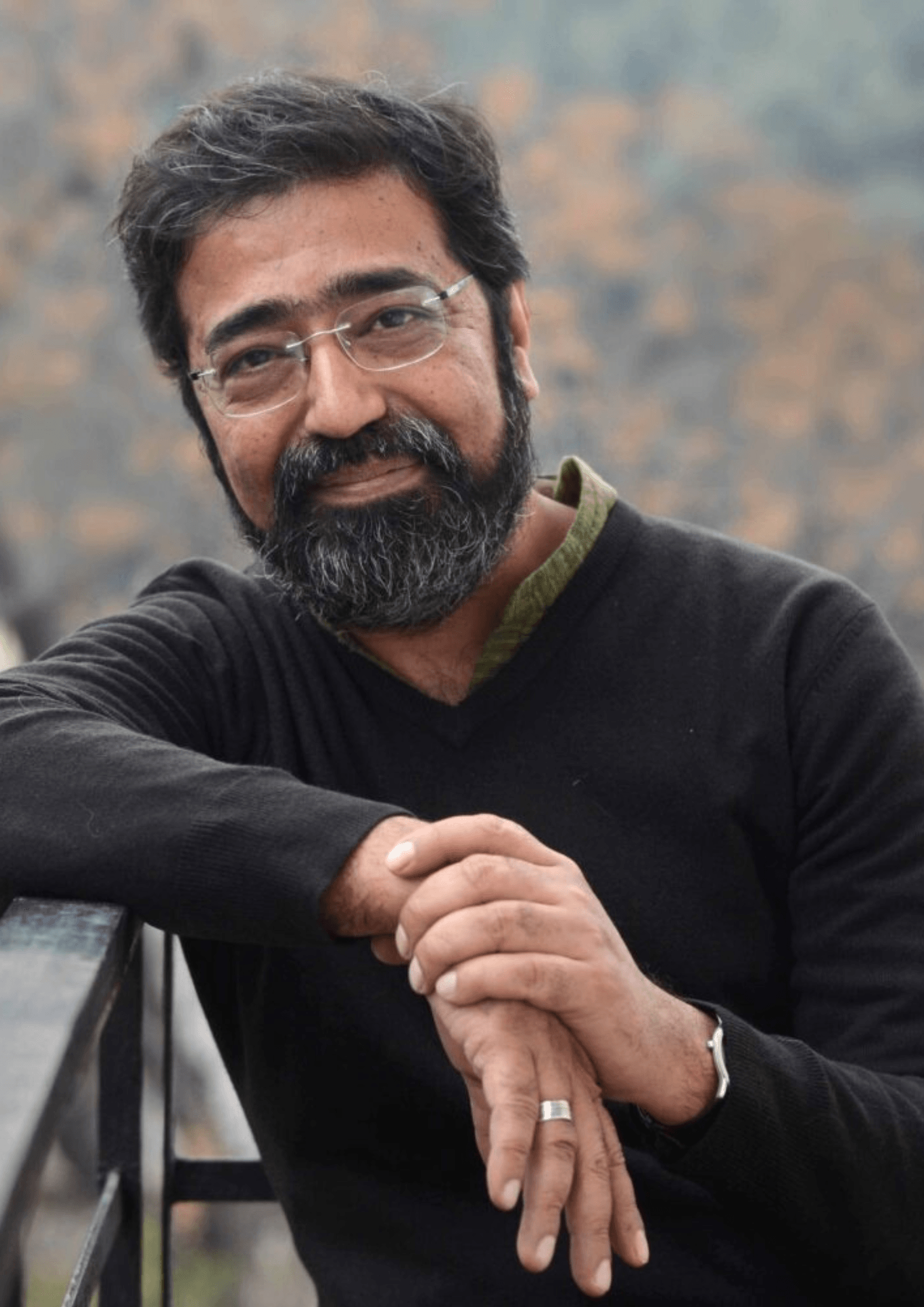
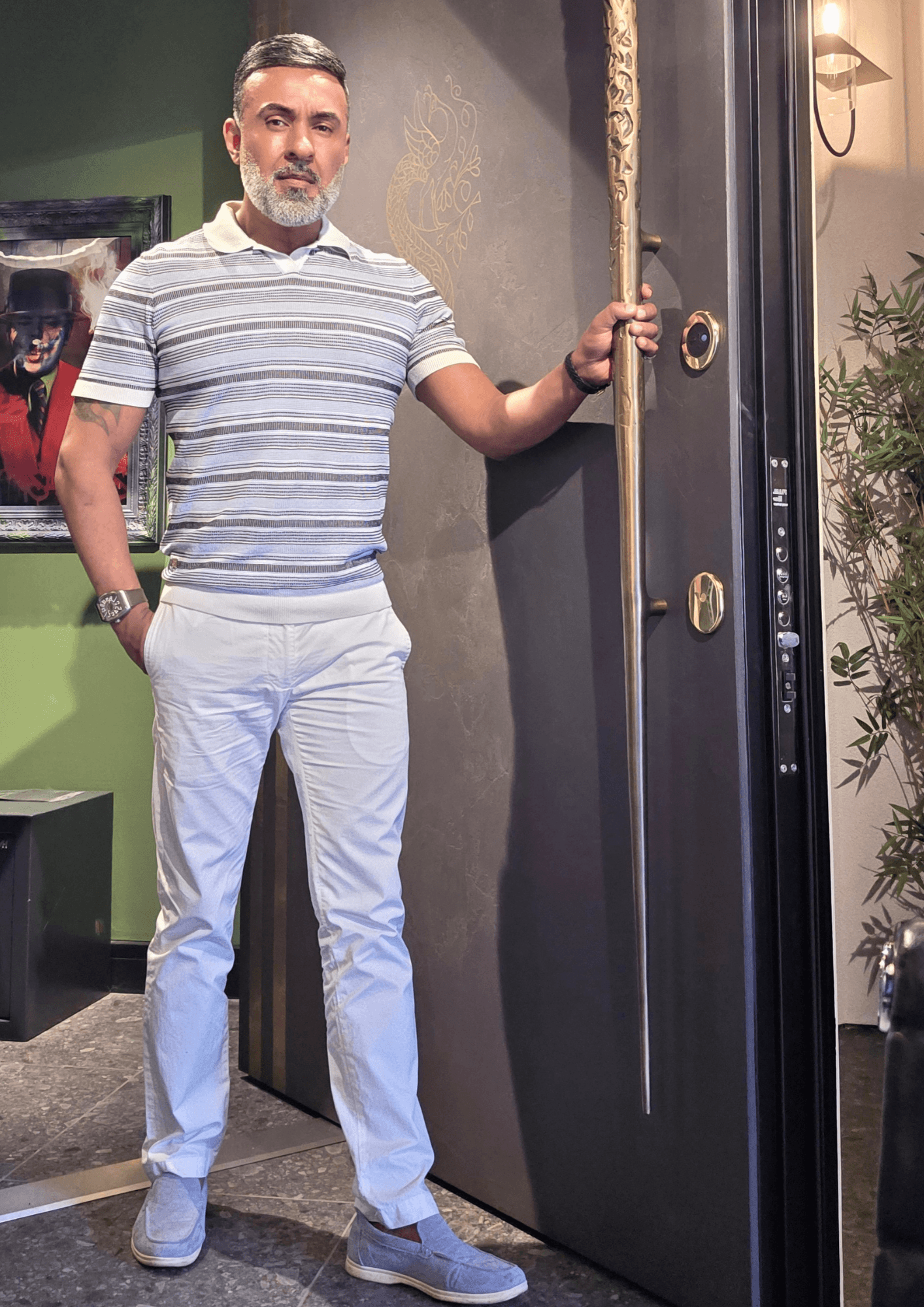
That approach is deeply personal because it reflects the journey of founders Karishma and Jenal themselves. Before launching BodyGoalsByJK, both spent more than a decade working in finance and banking, balancing demanding careers with long commutes, busy schedules and the same pressures experienced by many of the people they now coach. Between them, they lost around 50 kilograms, with Karishma losing approximately 34 kilograms and Jenal around 16, and, perhaps even more importantly, they have maintained that transformation for more than seven years.
Their own experience taught them that sustainable health is not built on perfection. It is built on consistency, flexibility and learning how to make healthy choices fit around everyday life rather than waiting for life to become less hectic.

It also inspired one of the most distinctive aspects of BodyGoalsByJK’s coaching.
Much of their recipe development begins in exactly the same place many South Asian childhood memories begin: their mothers’ kitchens.
Instead of abandoning traditional dishes, they have spent countless hours adapting recipes so they retain the flavours people know and love while becoming more supportive of long-term health goals. High-protein versions of familiar favourites such as chilli paneer, dal makhani, chole bhatura and even kadhi sit alongside adapted butter chicken recipes and countless vegetarian meals designed to make protein easier to achieve without sacrificing cultural identity.
Their coaching is not about turning every meal into “diet food”, nor do they expect every snack to be perfect. Clients are encouraged to enjoy the foods they genuinely love, whether that’s chevdo, chakri, samosas or chaat, while learning how portion sizes, meal balance and frequency fit into the bigger picture of a healthy lifestyle. Small, practical adjustments, from incorporating more protein into curries and sauces to using ingredients such as Greek yoghurt or cottage cheese creatively, help improve nutrition without making meals feel unfamiliar or joyless.
It is a refreshingly realistic approach that acknowledges something many people already know deep down: if a plan requires you to stop being yourself, it probably isn’t going to last.
That same philosophy extends beyond the kitchen.
Rather than encouraging people to wait until the “perfect Monday”, BodyGoalsByJK focuses on creating routines that survive birthdays, weddings, family gatherings, work deadlines and holidays. Strength training becomes the foundation, supported by everyday movement, better sleep and a healthier relationship with food. Social occasions are planned for rather than feared, because one meal never determines success or failure. There is no need to starve before a celebration or punish yourself afterwards. Enjoy the event, return to your routine at the next meal and keep moving forward.

The same thinking applies during holidays. Instead of spending months trying to earn a week of indulgence, clients are encouraged to enjoy local food, stay active by exploring, include protein where possible, eat mindfully and trust that one holiday will never undo months of consistent habits. The goal is not to spend seven days looking your best while feeling miserable for the previous six weeks. It is to feel healthy and confident before, during and after the holiday itself.
Perhaps what has surprised Karishma and Jenal most is that people are not simply looking for meal plans or gym programmes. They are looking for understanding.
Today, BodyGoalsByJK has grown into a thriving community where members celebrate one another’s progress, share challenges and support each other through the realities of balancing health with careers, families, cultural expectations and busy lives. Clients benefit from two coaches who bring different perspectives and experiences, alongside personalised nutrition, structured training, accountability, habit tracking and specialist knowledge in areas including menopause, PCOS, postpartum health, menstrual cycle considerations and endometriosis. When medical investigation is appropriate, clients are encouraged to work alongside their GP or healthcare professionals, reinforcing the belief that health is about partnership rather than quick fixes.
The community itself continues to grow, with in-person events, educational webinars and future plans to expand internationally, bringing culturally intelligent coaching to South Asians around the world who often feel overlooked by conventional fitness programmes. Behind the scenes, an app is also in development, bringing together training, nutrition, recipes, progress tracking and community support into one platform designed specifically with South Asian lifestyles in mind.
Yet perhaps the biggest ambition is not measured by technology, membership numbers or international expansion.
It is changing the conversation around health itself.
Many of us grew up hearing that rice was “bad”, watching adults jump from one crash diet to another and believing exercise was simply punishment for eating. BodyGoalsByJK hopes to create a different legacy, one where strength training becomes an act of self-respect, balanced eating becomes normal family life and children grow up seeing health as something positive rather than restrictive.
Because when one person’s relationship with health changes, the ripple effect reaches far beyond the individual. It influences partners, children, parents and future generations.
This is about far more than achieving a summer body.
South Asians deserve more than temporary diets, cultural guilt and recycled advice that never quite fits their lives. They deserve coaching that understands their food, families, traditions, ambitions and everyday challenges, while helping them become healthier without asking them to leave any part of themselves behind.
Perhaps that is why BodyGoalsByJK resonates with so many people.
They are not asking South Asians to fit into the fitness industry.
They are building the fitness experience South Asians should have had all along.