Spend a little time with Celina Sharma and it becomes apparent rather quickly that there are two sides to her. There is Celina the artist, already remarkably accomplished for someone still in her twenties, who has amassed millions of streams, built an enormous social following, worked across continents and found herself in rooms that most aspiring singers spend years trying to enter. And then there is Celina herself. Warm, funny, wonderfully personable and with just enough mischief in her to make you suspect that the polished pop star image only tells half the story.
When she joined Luxurist for her cover shoot, there was none of the carefully manufactured aloofness that can sometimes accompany celebrity. Instead, she was open, hospitable and genuinely good company, with an easy sense of humour and a warmth that seems entirely natural. Perhaps some of that comes from the unusual mixture of cultures that has shaped her. Born and raised in Australia, with Indian, Italian and Maltese heritage, Celina grew up with Bollywood alongside the pop music of her Australian childhood before making the rather extraordinary decision to move to London at just 16 to pursue music professionally.
There is something rather lovely about the combination. You can detect something of the Italian instinct for warmth and expressiveness, something of the Indian affection for music, family and storytelling, the relaxed openness of her Australian upbringing and, after almost a decade here, perhaps a little of that very British instinct to find the humour in things. It would be far too neat to claim that a personality can be divided neatly according to geography, of course, but with Celina there is a sense that all these different worlds have found a comfortable home in one person.
And perhaps that is why Chapter 2 feels like such an appropriate title for what comes next.
Celina describes the project herself as a reintroduction. “Chapter 2 is a reintroduction to me. It’s my story, my ups and downs, the good, the bad and the ugly, everything that has shaped me into who I am today. This project means more to me than words can explain.”
That word, reintroduction, is important. Because Celina is certainly not starting again.


Her first chapter was, by almost any measure, a rather extraordinary one. At 17, she became the youngest artist to be named on BBC Asian Network’s Future Sounds list. Her collaboration Lean On with Indian rapper Emiway Bantai went Double Platinum in India, while 24/7, featuring Harris J, went on to generate more than 200 million streams. Her debut EP CECE arrived in 2021 with an international cast of collaborators including Rich The Kid and Stonebwoy, while her music has taken her into territory few young artists could have imagined, including co-writing and performing Nach Mera Hero for Marvel Studios’ Eternals.
Yet Chapter 2 does not feel like an attempt to make all of that bigger. In many ways, it feels like an attempt to bring everything closer.
If the earlier Celina was discovering how far her music could travel, this Celina appears more interested in what it can say.
Listeners had their first glimpse of that change with I Made This Song For You. There is a softness to the new material and a willingness to leave space around the voice and the emotion. The new project moves towards a more cinematic, ballad-led sound, where storytelling carries greater weight and vulnerability is not something to disguise beneath production. There is still pop here, naturally, but it feels more grown-up, more deliberate and considerably more personal.
That distinction matters when you consider how young Celina was when her career began. Moving across the world at 16 is a formidable thing in itself. Doing it while simultaneously trying to discover who you are as an artist, navigating an industry built around opinions, numbers, trends and public scrutiny, adds another layer entirely. At 16, you are supposed to be working yourself out. Celina was doing it while building a career.
Perhaps Chapter 2 is what happens when the young woman finally catches up with the pop star.
At its emotional centre is Centre of Peace, her collaboration with one of Indian music’s most recognisable and beloved voices, Sonu Nigam. It is the sort of pairing that could easily have been designed simply to create a moment, bringing an emerging global pop artist together with an icon whose voice has soundtracked decades of lives. Instead, there is something much more personal behind it.
“Working with Sonu Nigam has been a dream come true,” Celina has said. “I’ve grown up listening to his music, so creating something together feels incredibly special.”
For a girl whose connection to music was partly formed through the Bollywood films she watched growing up with her Indian father, there is something beautifully circular about that collaboration. Sonu Nigam was once one of the voices coming through the screen. Now they share a song.
He, in turn, has described Celina as a “bright young talent”, praising the qualities he believes could allow her to stand apart on the global music stage. The collaboration forms part of his I Believe Your Music initiative, conceived to identify emerging artists with that elusive quality that cannot necessarily be manufactured.
It is easy to understand why Centre of Peace belongs on this particular project. The themes running through Chapter 2 are less concerned with the external markers of success and more interested in what happens internally: love, healing, identity, vulnerability, self-discovery and the search for some kind of equilibrium amid all the noise.
And there has been plenty of noise.


Celina belongs to a generation of artists for whom music and social media careers have developed almost simultaneously. She became one of the UK’s fastest-growing artists on TikTok while still a teenager and built an audience numbering in the millions. It gave her extraordinary reach, but it also meant growing up creatively in public. The temptation in that world is always to move faster, make more, post more and chase whatever happens to be commanding attention that week.
Chapter 2 feels like a gentle rebellion against that.
These are songs asking to be listened to rather than scrolled past. The arrangements have room to breathe. The lyrics are allowed to sit with you. Emotion is not simply the hook that gets you through the first few seconds, it is the point of the song.
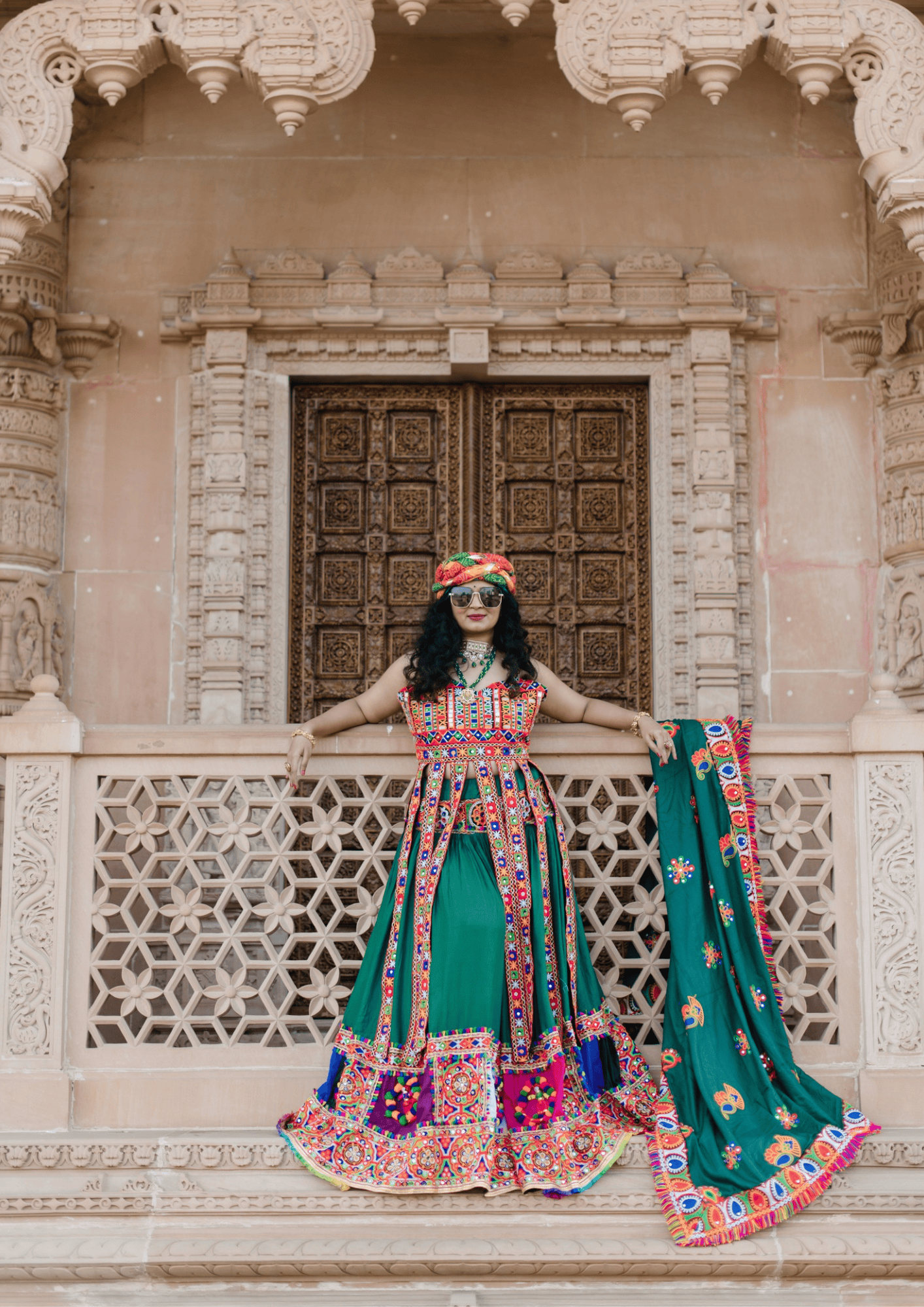
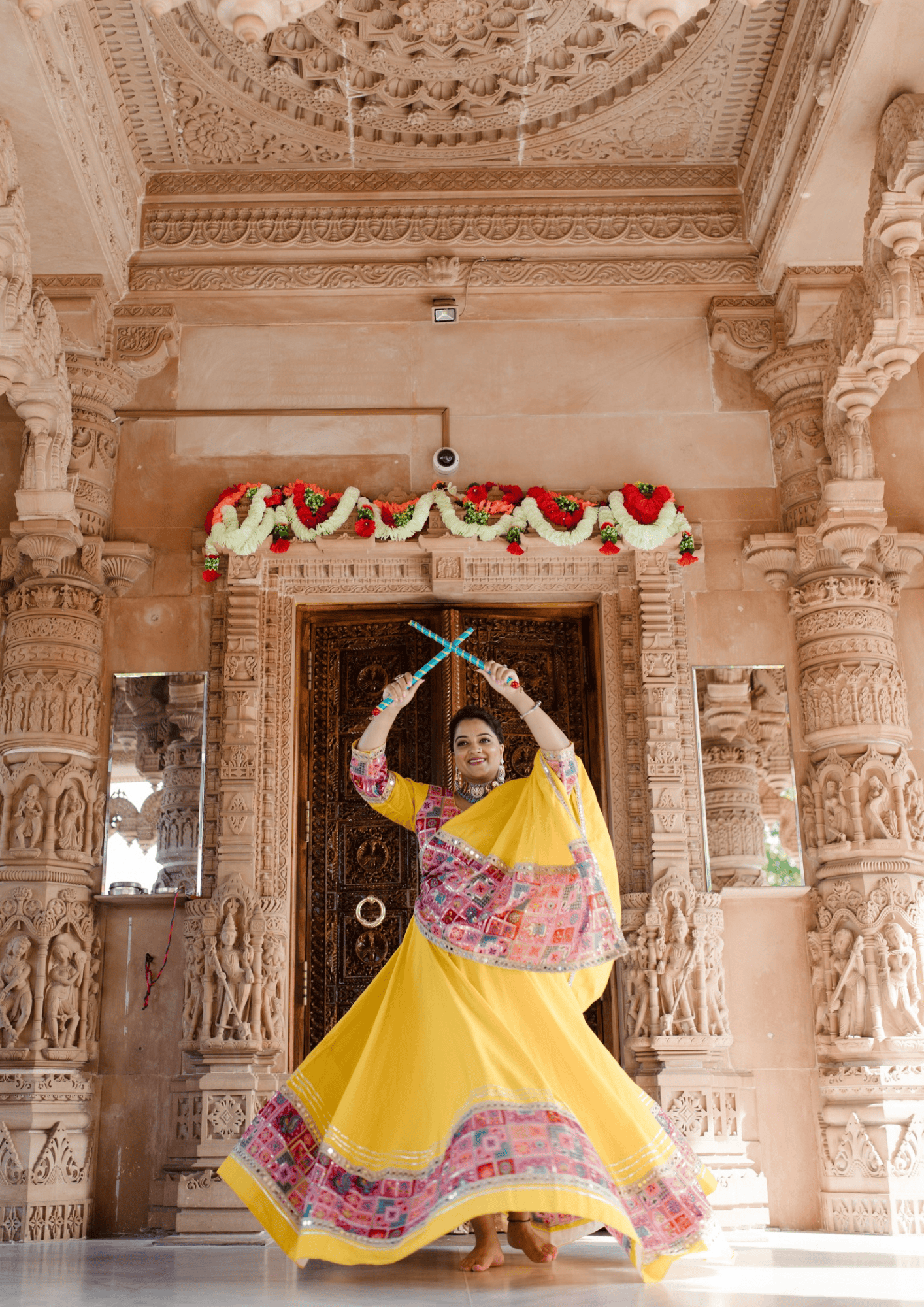
That evolution was also reflected when Celina stepped in front of the Luxurist cameras. Styled in pieces from South Asian luxury brands including BIBI London and Amore Jewels, the shoot marked her first dedicated South Asian luxury fashion editorial. Yet what made the images particularly interesting was not simply the clothes. It was seeing Celina inhabit another aspect of an identity that has never belonged exclusively to one place.
For Luxurist, that feels particularly relevant. There is an entire generation of young British South Asians whose cultural identity no longer requires a choice between worlds. Heritage can sit alongside contemporary fashion. Bollywood can exist alongside Beyoncé. Indian jewellery can be worn without feeling ceremonial. A young woman can be Australian-born, Indian, Italian and Maltese by heritage, London-based by choice and globally minded in her work without any one of those identities cancelling out another.
Celina embodies that ease beautifully.
There is ambition, certainly. It would be impossible to build the career she has without it. But in person it is softened by warmth. She laughs easily. There is humour there, and a hint of cheekiness. She does not seem particularly interested in performing importance, despite having accumulated a list of achievements that would give her every excuse to do so.
That may prove to be one of her greatest assets as she moves into this next stage. Pop music is filled with beautifully constructed personas. What increasingly connects, particularly with a generation accustomed to seeing through the machinery behind celebrity, is personality.
And Celina has plenty of it.
Chapter 2, then, is not the story of an artist abandoning what came before. The infectious pop records, international collaborations, viral moments and extraordinary teenage success all belong to her. This is simply what happens when experience begins to add another dimension.
The girl who left Australia at 16 had something to prove. The woman making music now seems increasingly interested in something else: telling the truth about who she has become.
There will be bigger stages, more collaborations and inevitably more milestones. But perhaps the most interesting thing about Celina Sharma right now is that she seems less interested in chasing the next version of herself and more comfortable allowing us to meet the one already here.
Warm, ambitious, culturally curious, occasionally mischievous and still evolving.
Chapter one introduced Celina Sharma to the world.
Chapter 2 feels rather more personal.
This time, she is introducing us to Celina.
Fashion Credits
Designer: @bibi_ldn
Jewellery: @amorejewelsx
Creative Direction and Styling: @anishavasanicreates
Hair: @rosmin
Makeup: @glam.by.js
Visual Credits
Photography: @omj.studio
Igor Creates: @igorbcreates
BTS: @zico7865