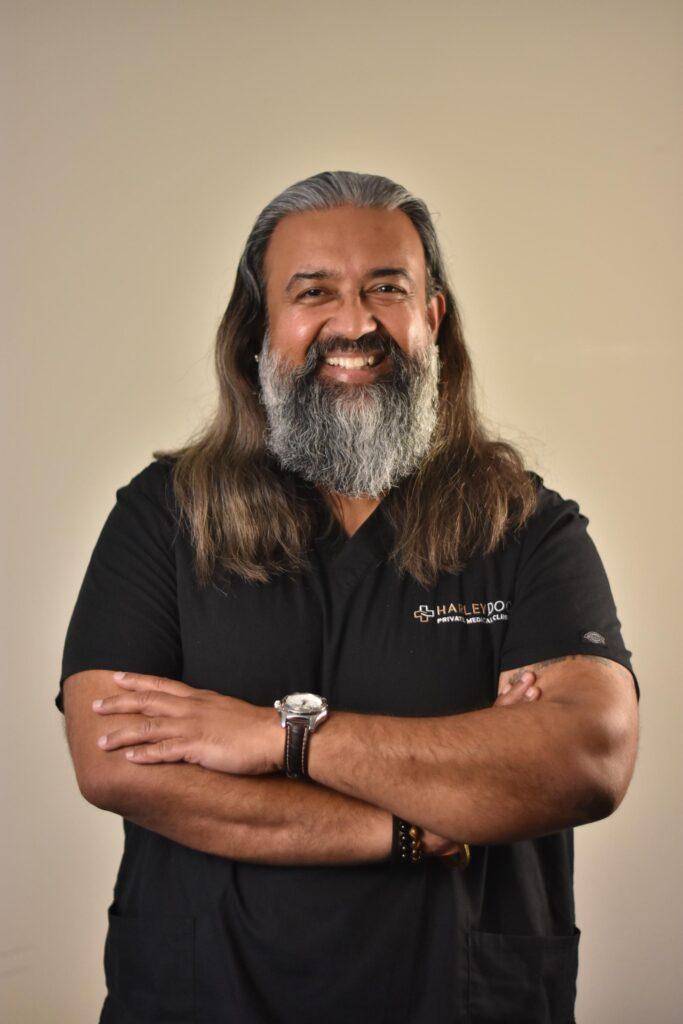
I have worked as a doctor for almost 25 years and as a GP since 2006. During that time, medicine has become more sophisticated, more specialised and more technologically capable than ever before. Yet one of the most important parts of healthcare has gradually become harder to find: a doctor who genuinely knows you.
We now have access to extraordinary investigations, treatments and specialist expertise. What we do not always have is continuity. Patients move between appointments, hospitals, countries and different healthcare systems, often becoming responsible for joining everything together themselves. They repeat their history, search through old emails for reports, explain previous treatment to someone new and hope that nothing important has been lost along the way.
HarleyDoc was created to address that fragmentation – the idea is simple: one continuing clinical relationship, one connected medical record and access to appropriate care wherever life takes you.
But the story behind it is deeply personal.
I qualified as a doctor in 2002, but my understanding of medicine began to change before my career had properly started. At the age of 23, while still a junior doctor, I was diagnosed with advanced bowel cancer.
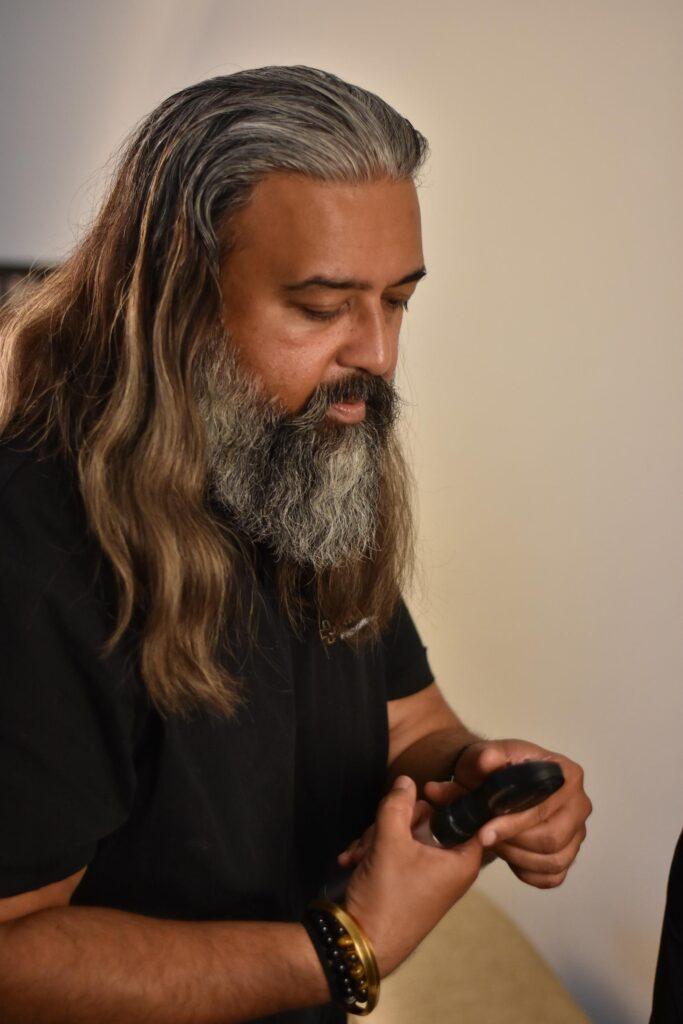
I underwent chemotherapy, radiotherapy and several major operations, as well as the uncertainty that accompanies a serious diagnosis. Suddenly, I was no longer the person standing at the end of the bed interpreting results. I was the patient waiting for them.
That experience never left me. It taught me that good healthcare is not only about clinical competence, important though that is. It is also about communication, reassurance, continuity and knowing that somebody remains alongside you when the consultation ends.
When you are unwell, you do not want to feel as though you are being passed between disconnected parts of a system. You want somebody to understand the whole picture. Most of all, you want somebody who cares.
My own experience of illness ultimately helped draw me towards general practice. I wanted to influence people’s health over time, not simply meet them at one isolated point in their journey.
Growing up in Yorkshire in a British-Indian family, I remember the traditional family-doctor relationship. A GP might know several generations of the same family: the grandparents, their children and eventually their grandchildren. They understood not only the medical history, but the person, the family and the circumstances surrounding the symptoms.
There was something immensely valuable in that familiarity.
Modern life, however, looks very different. Families are spread across cities and countries. Children leave home for university. Entrepreneurs and professionals travel constantly. People divide their lives between London, Dubai, Monaco, Mumbai, Singapore or Shanghai. Medical care has remained largely organised around a fixed location, even though the lives of the people receiving it are increasingly global.
I began to meet patients who appeared to have every possible advantage, yet still struggled to navigate healthcare when they travelled. They might have access to excellent doctors in several countries, but nobody held the entire picture. Their records were dispersed, their follow-up was inconsistent and each new interaction could feel like starting again.
That was the gap I wanted HarleyDoc to fill. I did not want to replace the traditional family doctor. I wanted to reimagine that relationship for the way people live now.
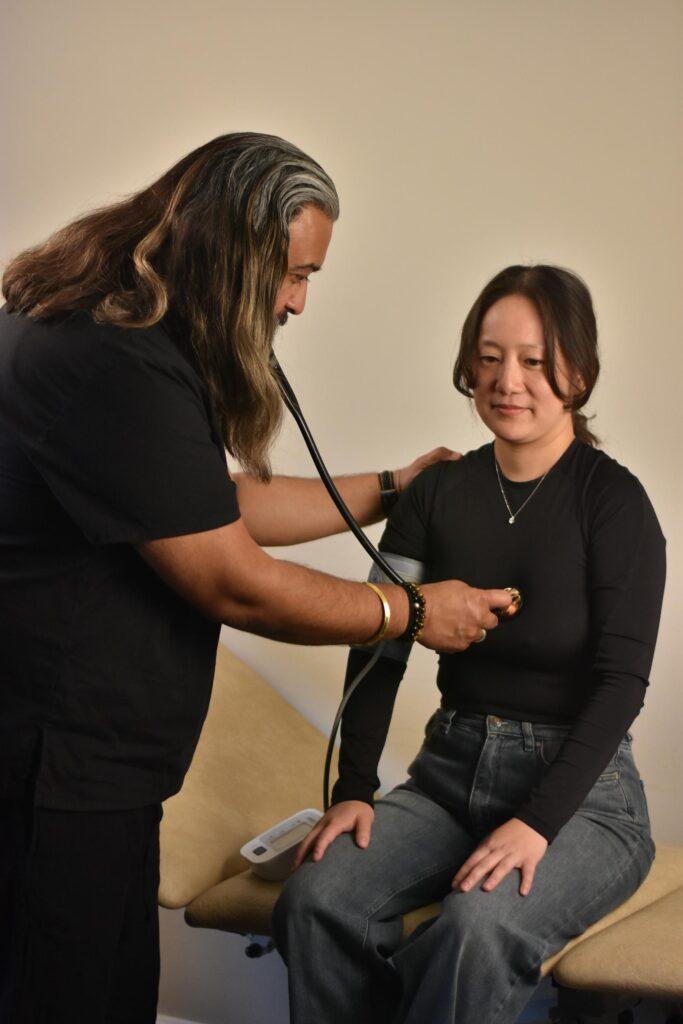
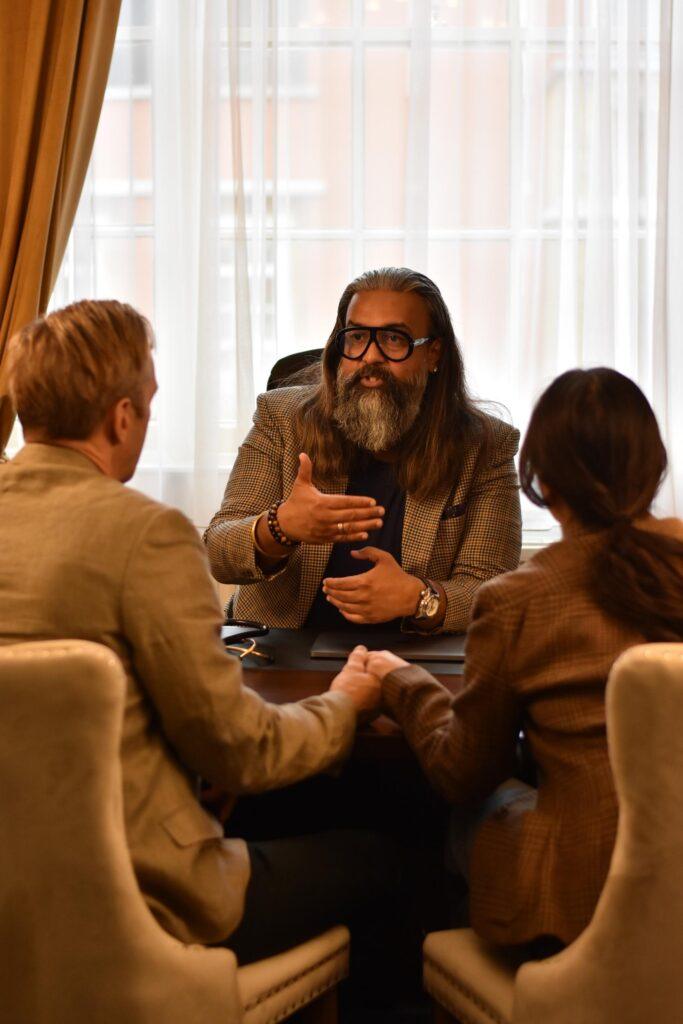
My career has allowed me to see healthcare from several very different perspectives. I have worked as an NHS GP, led a large GP partnership and twice been elected as an NHS commissioning chairman, with responsibility for a budget of approximately £530 million and healthcare services serving around 300,000 people. I have also worked in private medicine, skin surgery and aesthetics.
Those roles taught me an enormous amount about both individual patient care and the systems surrounding it. They also exposed a recurring problem: healthcare is often organised around institutions rather than individuals.
The more senior I became, the more time I spent managing systems, and the less time I spent with patients. I wanted to bring those two worlds together: the intimacy of the doctor-patient relationship and the capability of a properly designed healthcare infrastructure.
I established my Harley Street service in 2016, and the concept evolved into HarleyDoc’s global concierge model in 2019. I subsequently invested more than £750,000 of my own money into building the technology required to make that model scalable.
The HarleyDoc App launched in 2024. Today, the platform supports thousands of users across five continents, connecting digital access with an international network of doctors, specialists, clinics, diagnostics and hospitals.
Technology allows the model to travel. The clinical relationship gives it meaning.
One of my greatest frustrations with conventional healthcare is that it remains largely reactive. We are very good at responding when something has already gone wrong. We are less consistent at helping people understand risk, detect change early and remain well for longer.
I often describe this as the difference between sick care and lifelong health.
The ambition behind HarleyDoc is not simply to give somebody a video consultation when they become unwell abroad. It is to create a continuing health relationship: understanding the person’s history, monitoring change, coordinating specialist care and helping them make informed decisions over many years.
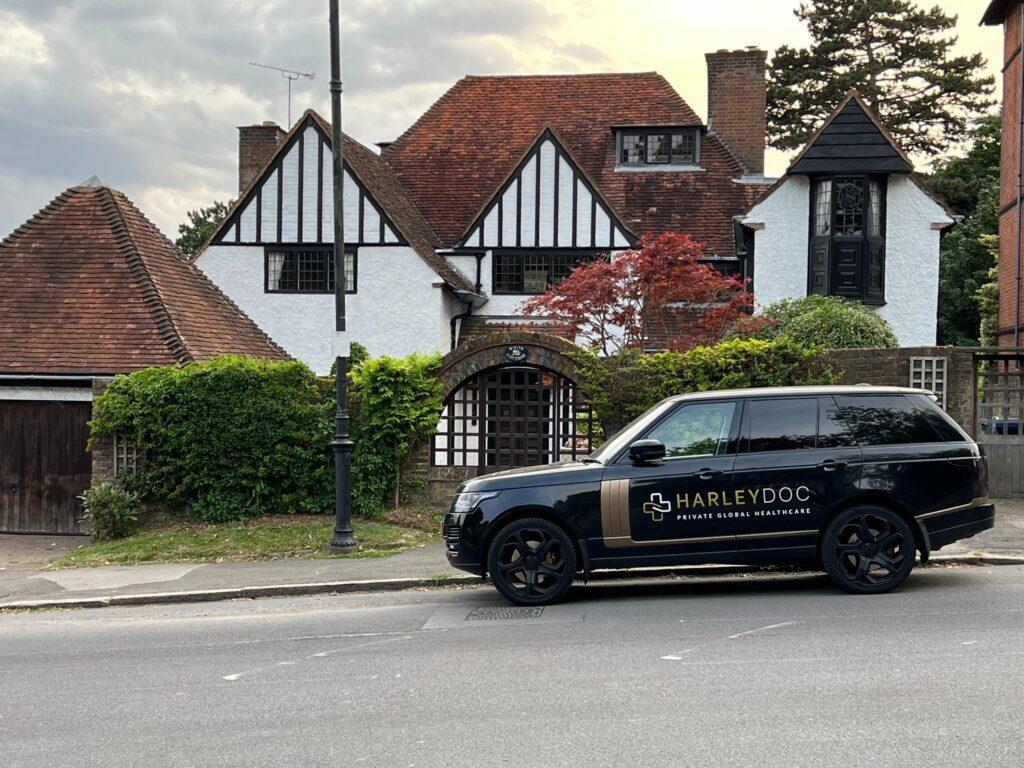
A patient should be able to access their medical information, consultations, investigation results, referrals and ongoing plans through one connected platform. If they travel, their health record should travel with them. If they need a specialist, their primary doctor should remain involved. If they have been advised to make a significant lifestyle change, there should be a conversation about what happens next.
I believe the patient and doctor should be partners in this process.
A doctor can provide expertise, but the patient lives with the decisions every day. It is closer to the relationship someone has with a good personal trainer: knowledge, guidance, accountability and progress reviewed together. Simply telling somebody to stop smoking, improve their diet or manage their stress is rarely enough. The real work begins after the advice has been given.
HarleyDoc incorporates artificial intelligence, remote monitoring, symptom assessment, connected records and technologies that can measure and track health-related information through a smartphone. We are also developing a more sophisticated longevity platform and Biological Twin, intended to help people understand how their health may change and how earlier intervention could alter that trajectory.
These capabilities are exciting, but I have never believed that technology should remove the doctor.
AI can identify patterns, organise information and help make healthcare more accessible. It can support earlier detection and more personalised decision-making. What it cannot replicate is the judgement, responsibility and human understanding of a clinician who knows the person behind the data.
For me, the future is not artificial intelligence versus doctors. It is intelligent technology combined with excellent doctors, and that technology should make the relationship stronger, not more distant.
Luxurist readers will understand that luxury is evolving. It is no longer defined only by possessions, destinations or access. Increasingly, true luxury is having time, freedom, confidence and the health to enjoy the life you have created.
There is little value in being able to travel anywhere in the world if your healthcare cannot travel with you. There is little reassurance in having access to multiple specialists if nobody is coordinating the whole picture. And there is little point accumulating health data if nobody helps you understand what it means or what to do next.
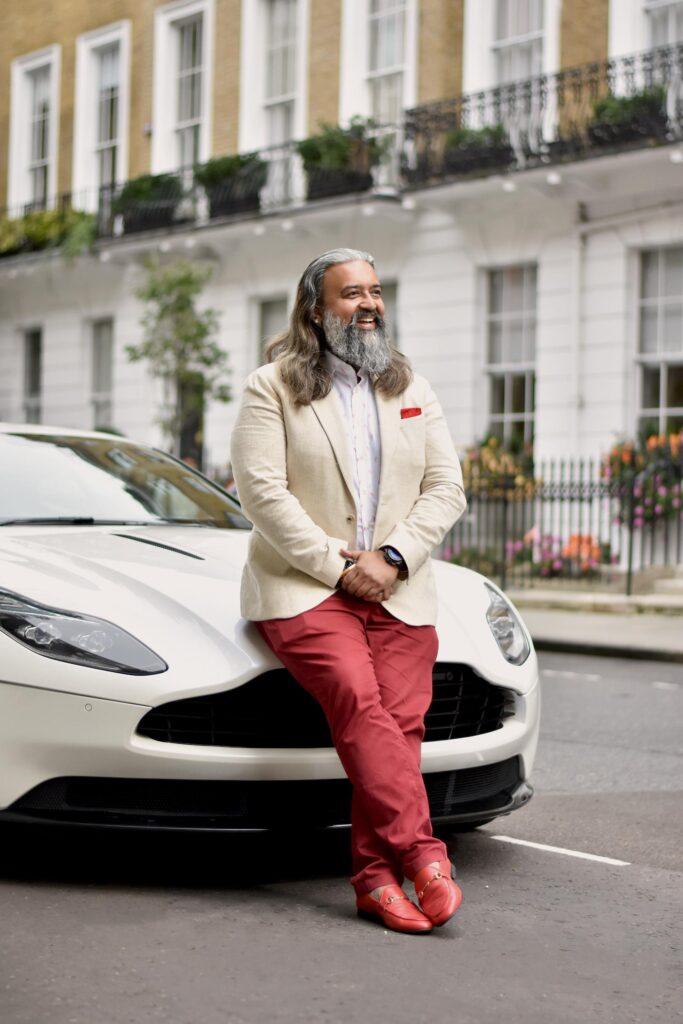
The next era of luxury health will therefore not be about adding more tests, devices or fashionable treatments indiscriminately. It will be about intelligent selection, clinical oversight and a deeply personal understanding of what is appropriate for each individual.
That philosophy now extends across HarleyDoc’s work in longevity, women’s and men’s health, weight management, imaging, regenerative medicine, performance, education and integrative medicine. Different people require different pathways, but the underlying principle remains the same: care should be personalised, connected and clinically governed.
HarleyDoc now has members and users across five continents, with a growing network of international relationships. Yet I remain cautious about expanding simply for the sake of appearing bigger.
Healthcare carries responsibility. Every new market requires trusted clinical infrastructure, appropriate regulation, secure information and a practical pathway for what happens when remote advice is not enough. A global platform must be able to connect a person not only to a screen, but to the right examination, investigation, specialist or hospital when required.
That is why I describe our model as hub and spoke. The continuing doctor-patient relationship sits at the centre. Specialists, diagnostics and local clinical services are connected around it according to the patient’s needs.
The aim is not for one doctor to do everything. It is for somebody to remain responsible for helping the patient navigate everything.
My vision for HarleyDoc is ambitious, but its foundation is deliberately human. I want healthcare to follow the patient rather than restart at every destination. I want people to understand their own health information and participate confidently in decisions about their care. I want technology to identify risk earlier, support prevention and connect the different parts of medicine more effectively.
Most importantly, I want to restore something healthcare is in danger of losing: the feeling that somebody knows you, remembers what happened and remains invested in what happens next.
We have spent generations building healthcare systems around appointments, buildings and episodes of illness. I believe the next generation of healthcare will be built around people, and around a continuous relationship that supports them throughout their lives.
That is why I built HarleyDoc.
For further information please download the HarleyDoc App, available on all platforms, email us at info@harleydoc.co.uk, or visit the website HarleyDoc.co.uk for more details on our membership structure. Welcome to the future of healthcare.
DR A. T. BANERJEE
CEO & FOUNDER
HARLEYDOC
HARLEYDOC.CO.UK