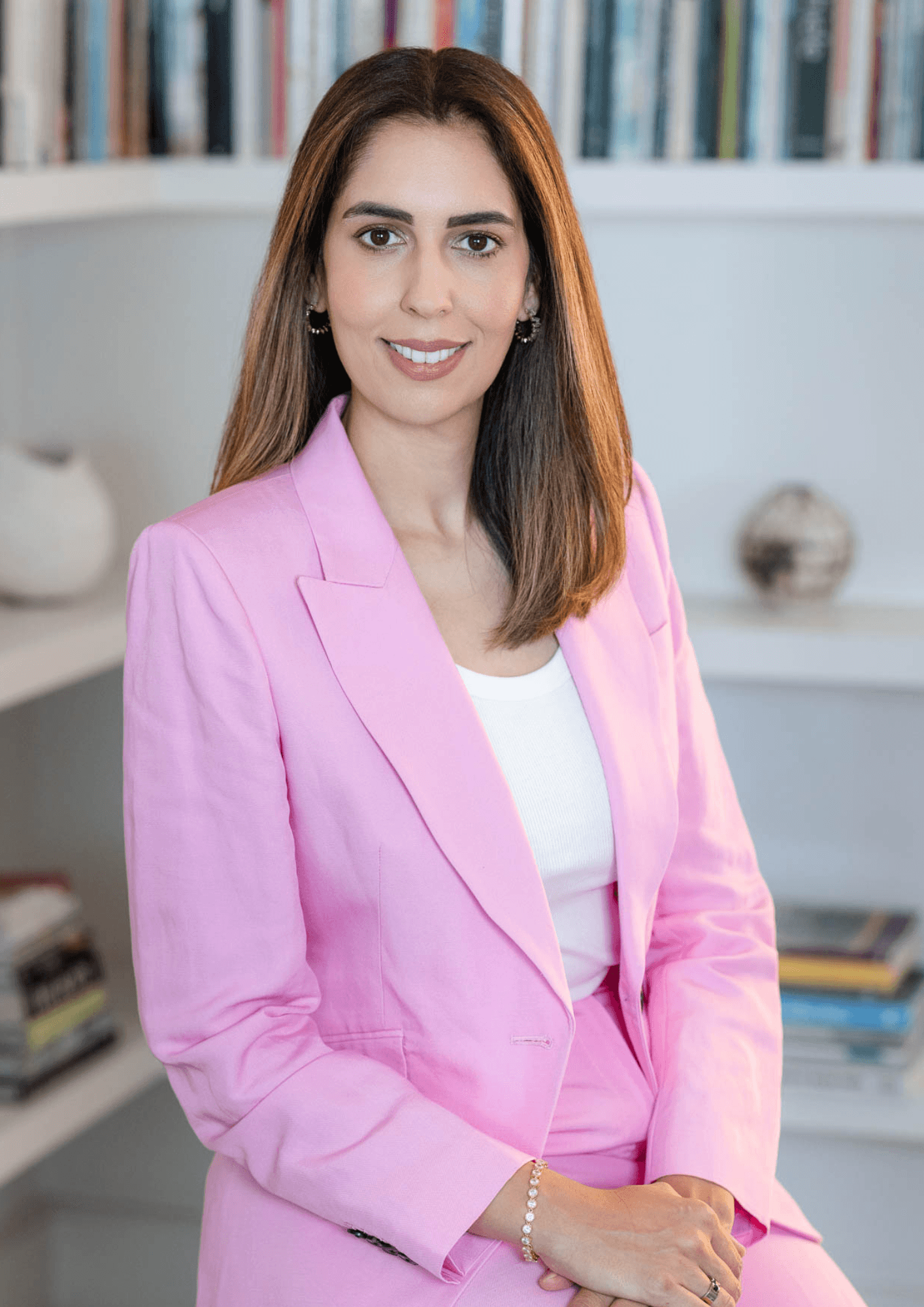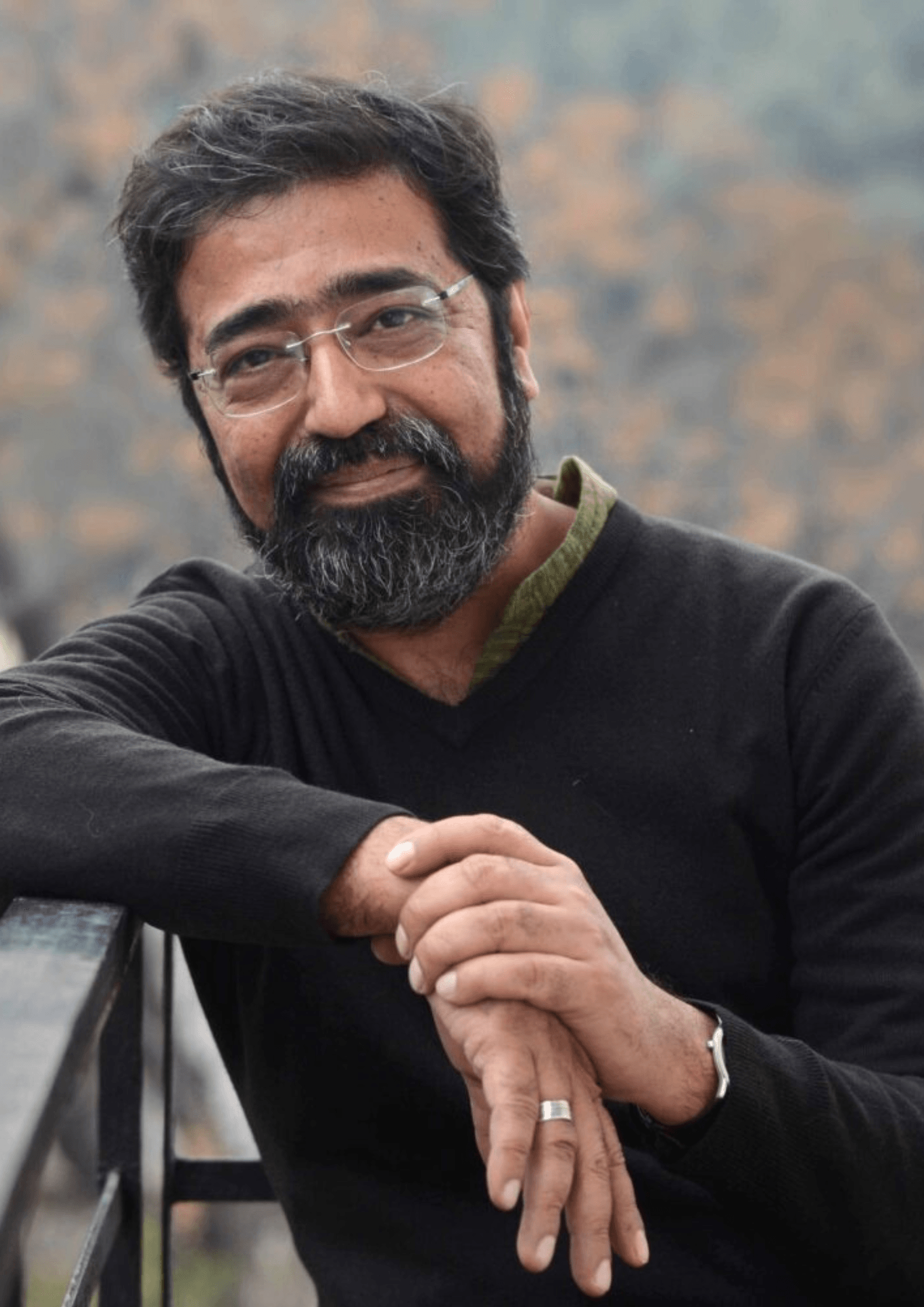
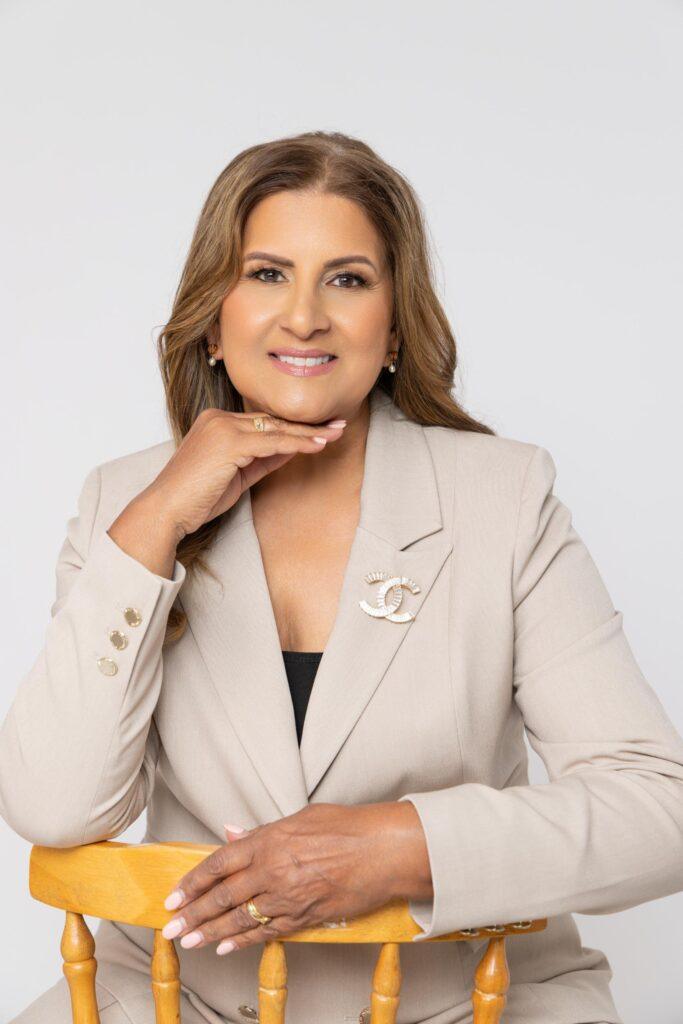
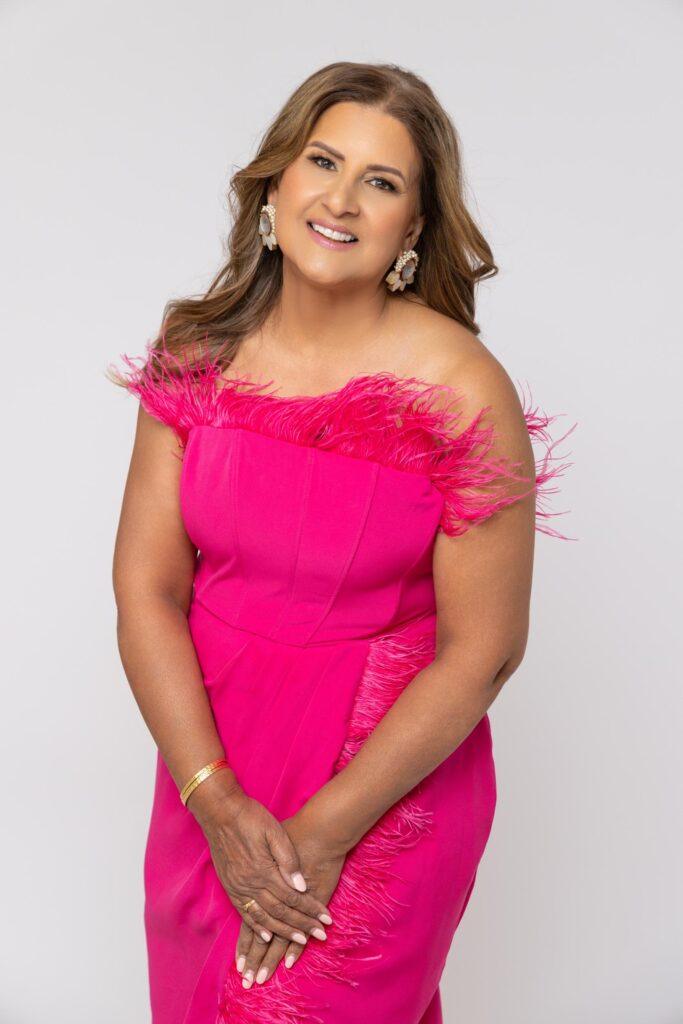
Sushma Bhanot MBE is the type of woman who has raised a family of super successful changemakers, truly outstanding individuals who are definitely making their mark in the world. She has a loving husband, a beautiful home and dotes on her beautiful grandchildren. The first thing that strikes you is that she’s humble, supportive and somehow she feels like home – I can’t quite describe it, but that feminine magnetism that makes you feel safe.
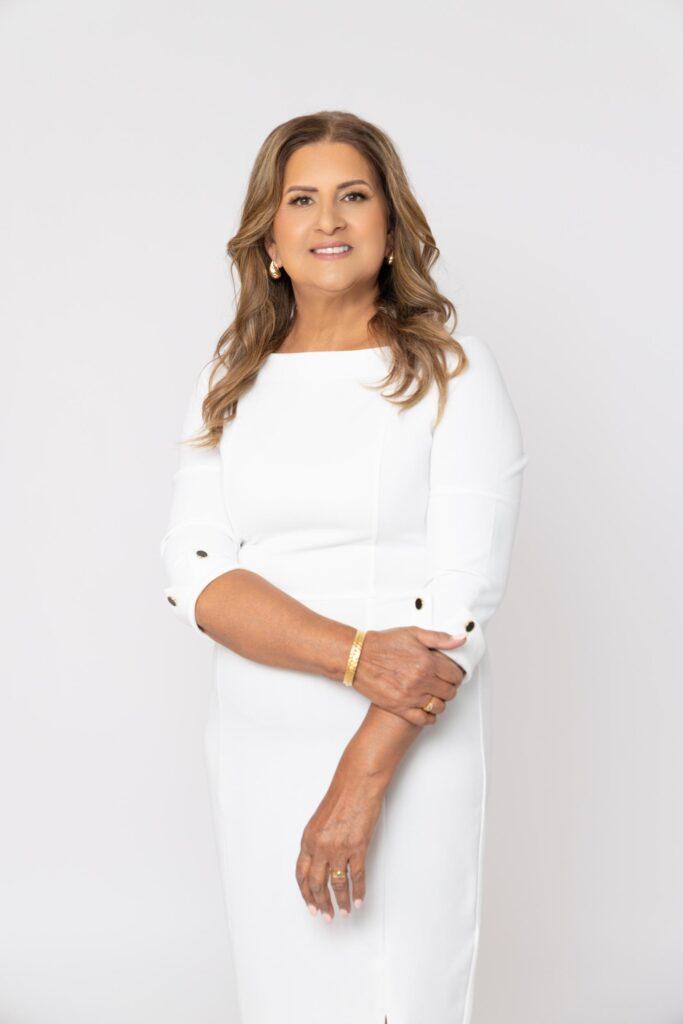
And as you get to know her, well, the accomplishments just seem to keep on coming – from this soft woman, there seems to be an avalanche of initiatives that are changing people’s lives – with an unwavering conviction. It soon becomes clear that everything she has built, from successful businesses to award-winning community initiatives, has been driven by one simple belief: everyone deserves the opportunity to flourish.
Her story begins in Bradford, where she spent much of her childhood before her family relocated to London during the 1970s. While many children simply observed the world around them, Sushma was unknowingly witnessing experiences that would shape the rest of her life. Her mother’s small shop became far more than somewhere women bought cardigans or underwear. It became a space of sisterhood, support and safety. For many newly arrived South Asian women, it was a lifeline.
“They would come with letters they couldn’t read because English wasn’t their first language,” she recalls. “My mother would translate them, explain what they meant and often help them understand what options they had.”
Many of these women had little financial independence. Some rarely left their homes. Others had qualifications and talents that had been set aside and sacrificed to family responsibilities.
“My mother was actually a teacher and incredibly forward-thinking. She was one of the first girls in her village in India to receive a formal education at a time when educating girls simply wasn’t considered important.” So Sushma’s mother took on the role, armed with this shop front and an education, of being the rock for these women. There is often no given glory in these self- appointed roles, but the knowledge that you are serving, helping, changing lives. And watching her mother empower women, often one conversation at a time, planted a seed that would grow throughout Sushma’s own career.
Initially, however, that career followed a more traditional path; She qualified as a pharmacist and, together with her husband, built two successful pharmacies in Wanstead. Over more than a decade they became trusted figures within the local community, getting to know generations of families and offering, much like her mum before her, far more than prescriptions. That community support, the caring, the people who you could lean on.
One day, a multinational company approached them with an offer to purchase both pharmacies. There are always dilemmas with these decisions – it’s never about the money, it’s about the community, about your role in people’s lives. But money brings opportunities too.
“It was a difficult decision because we loved Wanstead and the community we’d become part of,” she says. “But I also felt there was something else I was meant to do.”
Selling the businesses gave Sushma the opportunity to follow a passion that had been calling her for years. She knew. She knew the impact she could make and how she could give more, much more, to her beloved community.
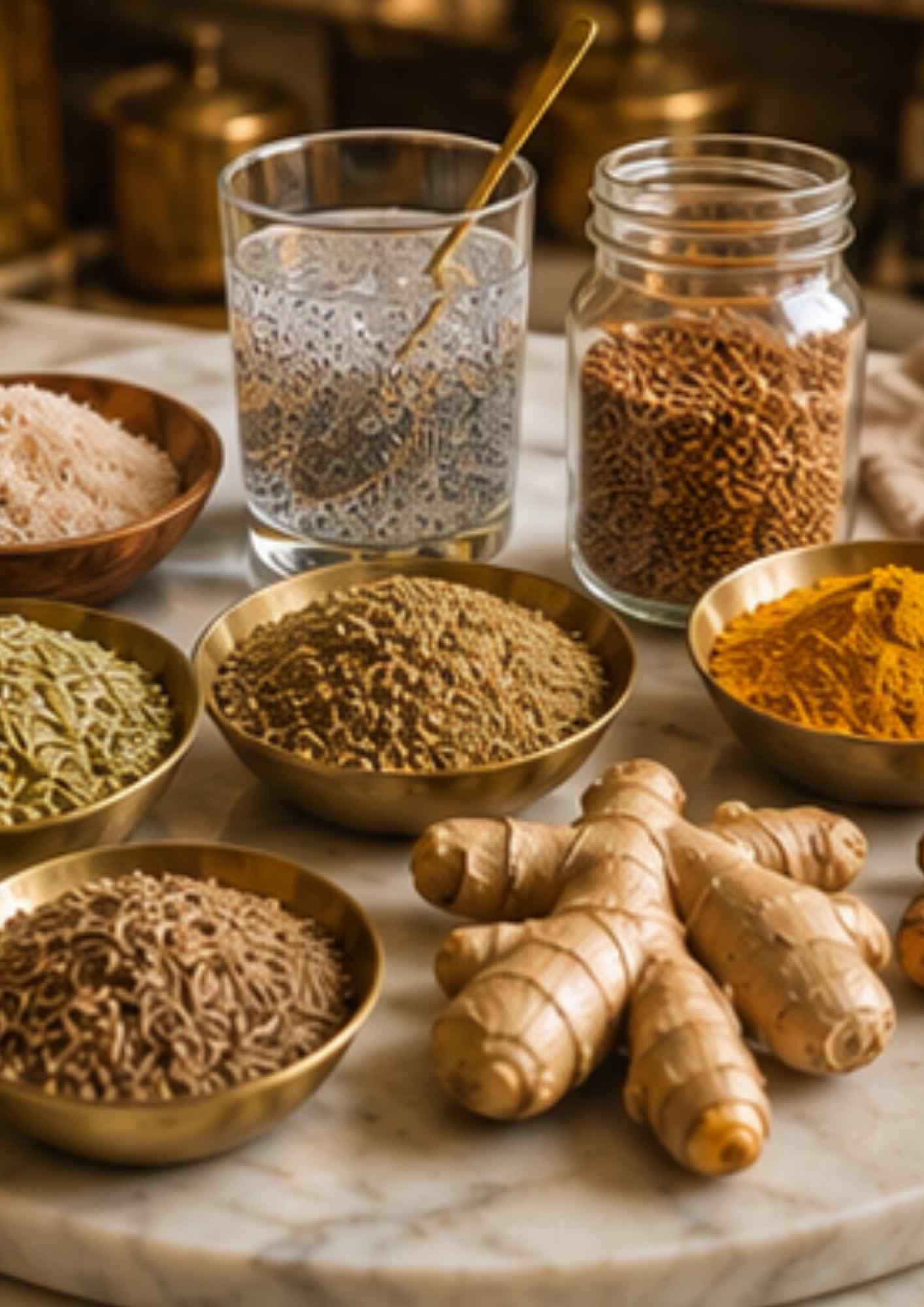
She immersed herself in complementary medicine, Ayurveda and natural wellbeing, retraining extensively while combining her scientific background in pharmacy with holistic approaches to health.
But it wasn’t simply about treatments. It was about people. It had always been about people. And as she developed CoolHerbals, she found herself meeting countless women whose stories echoed those she’d witnessed decades earlier in Bradford, in her mother’s shop.
Many had devoted their lives to raising children or caring for relatives. Others had lost confidence after years away from employment. Some simply no longer recognised the talented, ambitious person they once were.
“I realised there were so many women who had spent years putting everyone else first,” she explains. “They had forgotten about their own dreams.”
Rather than offering sympathy, Sushma offered opportunity. Over the years, more than 5,000 women have received free training through her programmes in complementary therapies, Ayurvedic beauty treatments and wellbeing techniques. Courses range from facial therapies and massage to Shirodhara, herbal treatments, body therapies and product knowledge, all delivered by experienced specialists.
Yet the practical skills are only part of the journey.
“We also teach interview skills, marketing, confidence and communication,” she explains. “For many women, simply walking into a room full of like-minded people is the biggest step.”
During the pandemic, when isolation intensified and mental wellbeing became an even greater concern, the training didn’t stop. It expanded. Virtual classrooms replaced physical ones, allowing women to continue learning while also gaining valuable digital and business skills. Some went on to launch successful businesses. Others returned to employment after years away from the workplace. Many simply rediscovered confidence they thought had disappeared forever.

“The moment someone realises they can build a future for themselves is extraordinary,” Sushma says. “You can actually see their whole outlook change.”
It is perhaps this understanding of confidence, purpose and belonging that naturally led Sushma towards wider community work. Mental health has become an increasingly important part of her mission, particularly within communities where stigma still prevents many people from seeking support.
“The pandemic highlighted something that had always been there,” she says. “Many people were struggling long before Covid, but suddenly everyone was talking about mental health.”
She believes progress has been made, but there remains significant work to do.
“We still don’t fully understand the long-term effects the pandemic will have on mental wellbeing. There are many excellent organisations doing fantastic work, but there simply aren’t enough services.”
Her advice is refreshingly simple.
“Don’t keep it inside. Speak to someone. If you can’t talk to family or friends, there are helplines. The important thing is not to struggle alone.”
One particularly moving experience remains etched in her memory. During the pandemic, Sushma became involved in helping a woman who had reached the point of considering ending her own life. The intervention happened quietly and discreetly, exactly as Sushma would have wanted.
“When you begin helping people, you never imagine where that journey might lead,” she reflects. “If you can help even one person, everything you’ve done becomes worthwhile.”
That commitment to service has extended well beyond education.
As Patron of Binti International, she supports campaigns promoting menstrual dignity around the world, raising awareness of period poverty and helping create opportunities for women through sustainable manufacturing initiatives. She has also established free clinics supporting vulnerable and undocumented migrants, many of whom are not registered with a GP and have nowhere to turn for physical or mental health advice.
“So many people are invisible,” she says. “Sometimes they simply need someone to listen, guide them and help them access the support that already exists.”
Recognition eventually arrived in one of Britain’s highest honours.
Receiving an MBE from Her Majesty Queen Elizabeth II acknowledged decades of service to communities and women’s empowerment. Like everything else in her life, Sushma greeted the honour with humility.
“My work has always been about giving back without expecting anything in return,” she says. “Receiving an MBE is an incredible honour, but it also comes with responsibility. It makes you want to work even harder.”
The New Year’s Eve announcement was celebrated in typically understated fashion. A bottle of champagne, family gathered together. The following morning, however, it was back to work.
That dedication is perhaps unsurprising when you consider the many roles she balances every day. She is co-director of one of the UK’s leading Ayurvedic natural health companies, head of research and development, a wife, mother of three adult children, grandmother, daughter, daughter-in-law, carer for elderly relatives, patron, mentor and community advocate.
Her mornings begin with masala or ginger tea before preparing meals for her family. Much of her day is spent researching new therapies and developing products before returning home to family responsibilities, answering emails and planning future initiatives.
Only late in the evening does she truly switch off.
“I love reading, walking in nature, meditating, spending time with my grandchildren and going to the theatre,” she says. “It’s important to stop. Otherwise we burn out.”
For someone who has spent decades encouraging women to care for themselves as much as they care for others, it is advice she now consciously follows herself.
Looking ahead, Sushma remains as ambitious as ever. She hopes to expand training opportunities, introduce new courses and create stronger networks where women can support, inspire and mentor one another while continuing to challenge the stigma surrounding mental health. She is constantly evolving with super initiatives and goals. She has also authored three books, one of which is “Women’s Health During Covid and Beyond: A Self-Help Guide”, providing practical advice for women navigating physical and emotional wellbeing during one of the most challenging periods in recent history.
Throughout our conversation, one thing becomes abundantly clear. Sushma has never measured success by business growth, awards or titles. Instead, she measures it by something far more meaningful.
A woman who returns to work after years away.
Someone who discovers confidence they thought they’d lost forever.
A family transformed because one person finally believed in themselves.
Long before hashtags celebrated female empowerment and resilience became fashionable, Sushma Bhanot was quietly building both. Perhaps that is why her influence continues to ripple far beyond the classrooms she teaches in or the communities she serves. She isn’t simply changing careers. She’s changing the way women see themselves.
And sometimes, that’s where every new beginning truly starts.
Credits:
Creative Direction and Styling: @anishavasanicreates
Photography and Videography: @omj.studio
Hair & Make-up: @fatinhmakeup