There are some people you meet who immediately make you feel comfortable.
Dr Ranj Singh is one of those people.
Perhaps it is because we’ve welcomed him into our homes for so many years through our television screens. Perhaps it’s because he has that rare ability to be both accomplished and completely unpretentious. Or perhaps it’s because, for many British Asians of a certain generation, he represented something we didn’t realise we were missing until we saw it.
I remember watching him on television years ago and feeling an enormous sense of pride. Not because he was famous, but because he looked like us. Here was a South Asian man speaking with expertise, confidence and authority, not playing a stereotype, not being the butt of a joke, but being listened to because of what he knew and what he had achieved.
That representation mattered.
For young South Asians trying to imagine what was possible, it mattered. For parents who wanted to see their communities reflected positively, it mattered. And for many of us, it shifted something. It made mainstream television feel a little more like it belonged to us too.
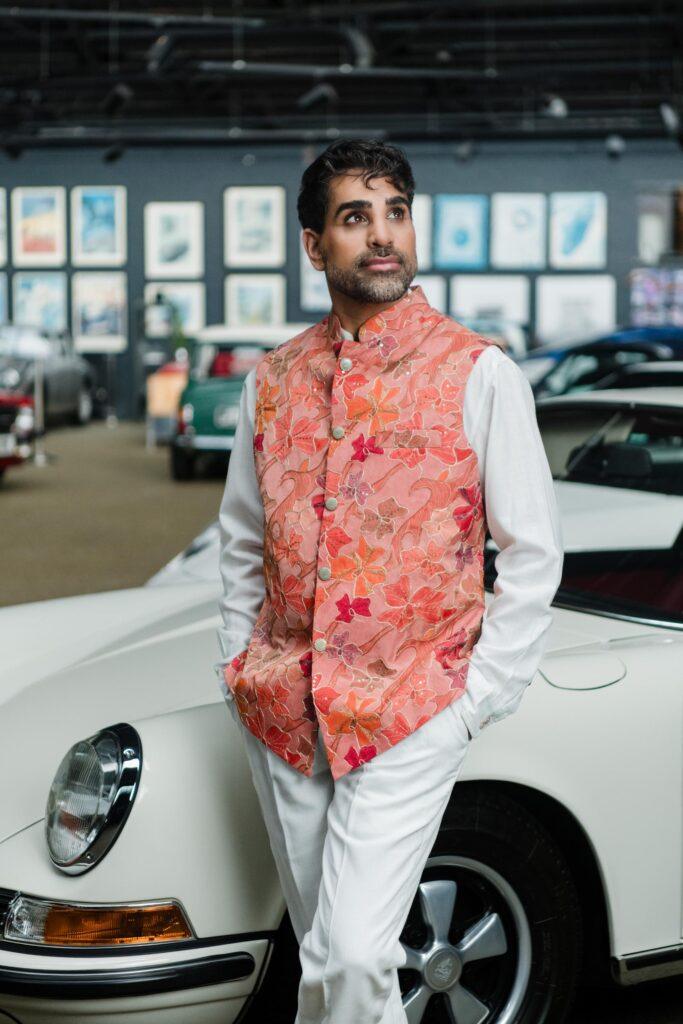
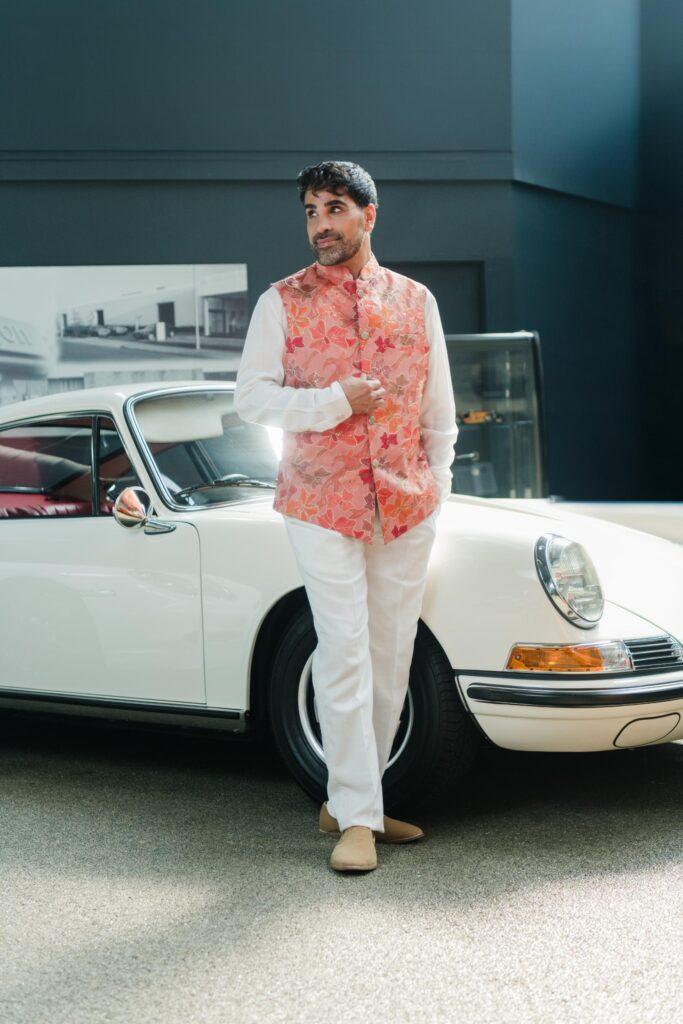
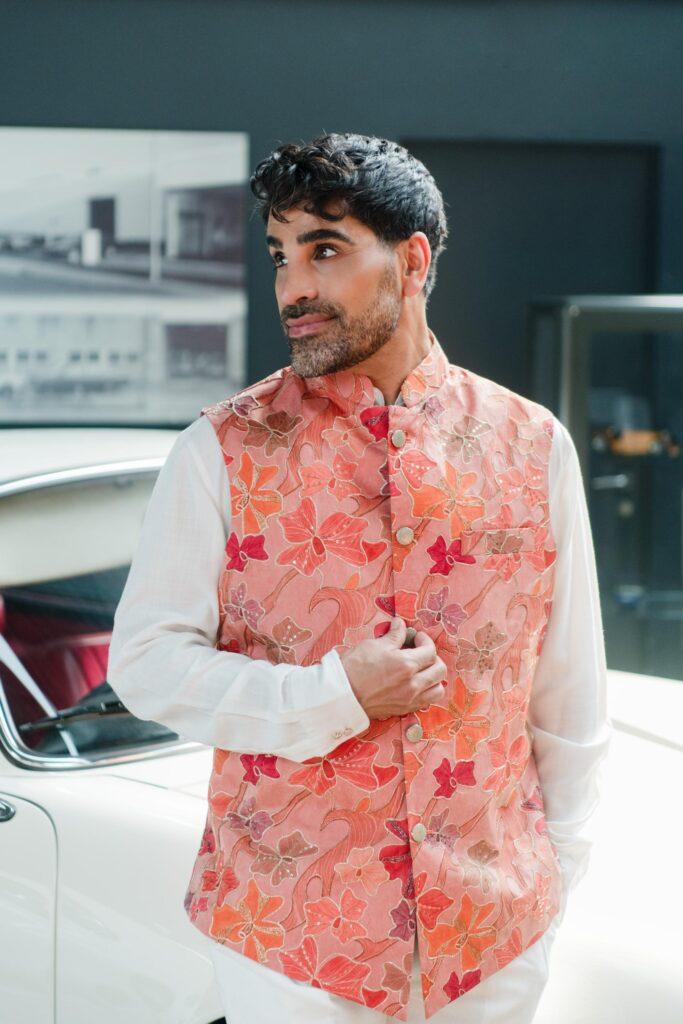
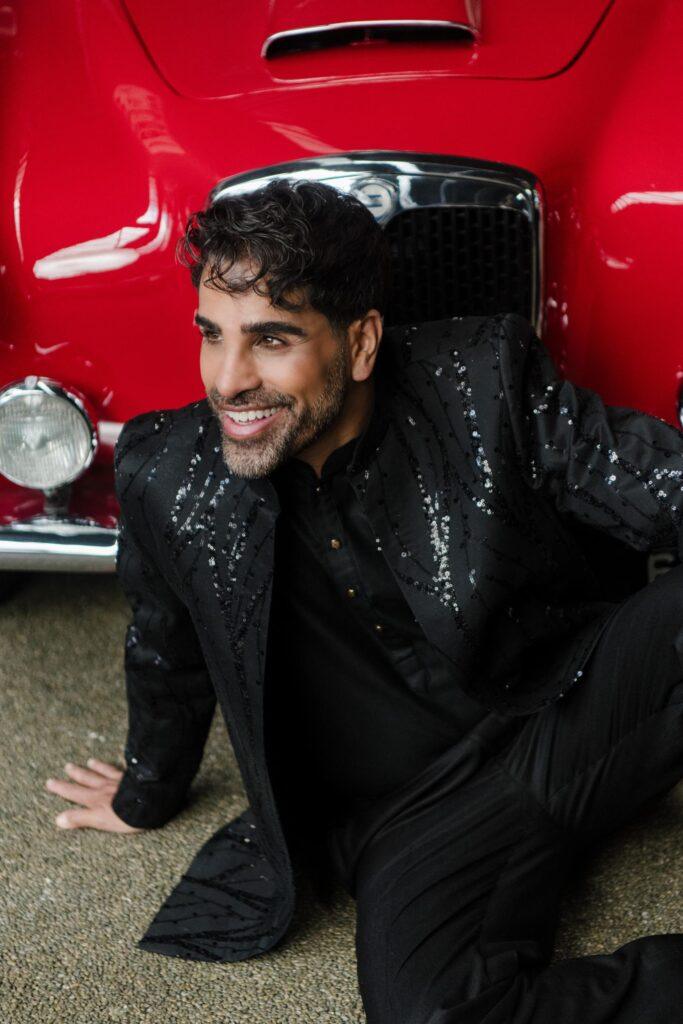
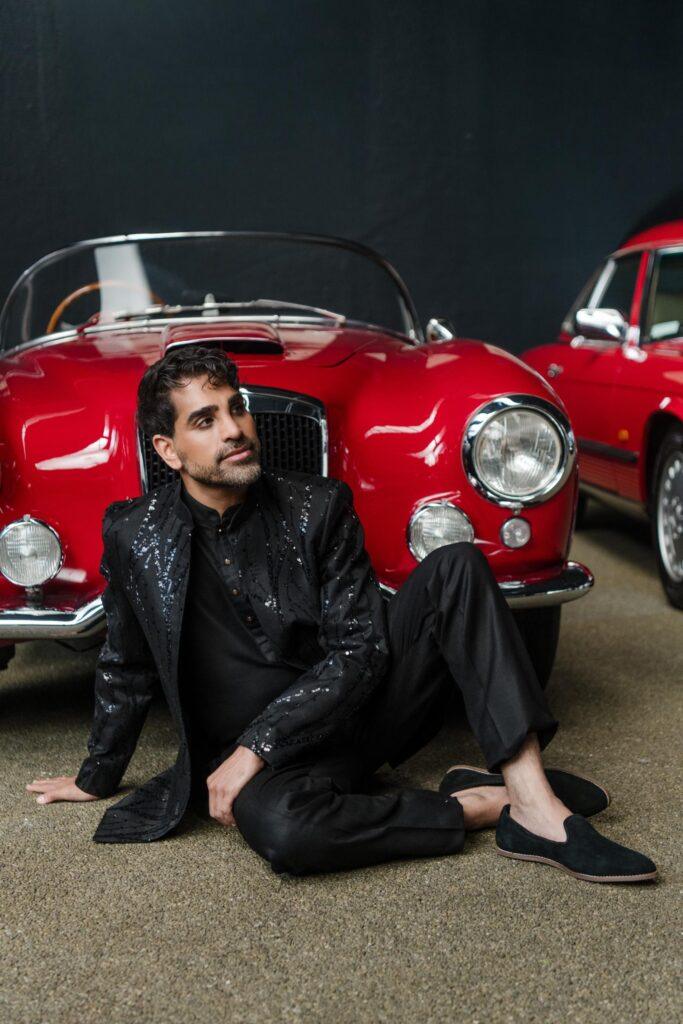
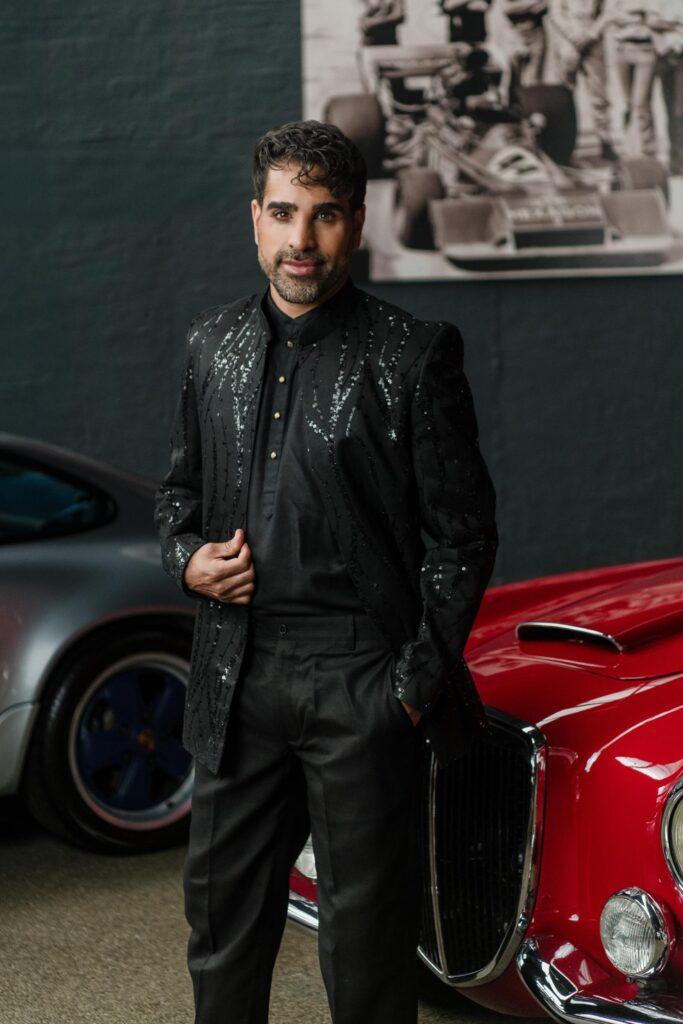
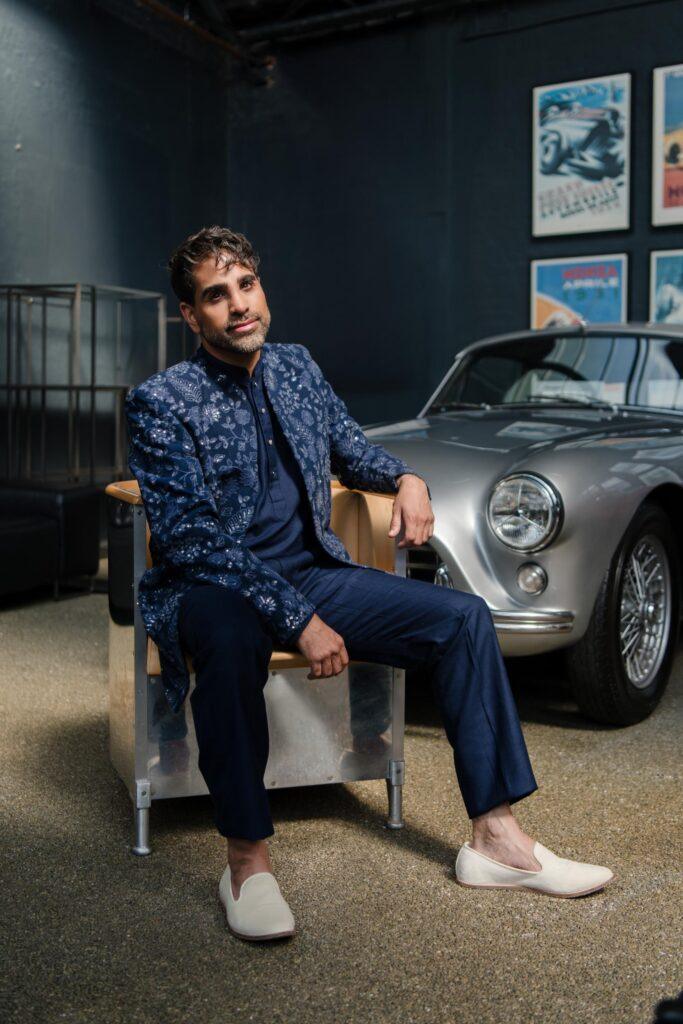
Meeting him in person all these years later, it’s impossible not to notice that he has the sort of face photographers dream about. Perfectly symmetrical features, striking eyes and a smile that is warm and enveloping. Yet what stays with you isn’t his appearance. It’s his energy. He’s warm, funny, thoughtful and genuinely interested in people. There is no celebrity distance. No carefully constructed persona. What you see is what you get.
And what you get is someone who cares deeply about stories.
That passion is one of the reasons he became involved with The P Word, the acclaimed theatre production he has helped bring to audiences alongside Queer Eye star Tan France. The play tells the story of two young queer Muslim men whose lives intersect in unexpected circumstances. It explores race, immigration, sexuality, identity and belonging, but what struck Dr Ranj most wasn’t the politics of the story.
“It puts the humanity back into those conversations,” he tells us. “It’s about two people finding connection and love. We spend so much time talking about labels and categories and issues, but sometimes we forget that there are real people at the centre of all these discussions.”
What makes the production even more remarkable is its simplicity. There are no elaborate sets, no dramatic costume changes, no distractions. Just two actors on a revolving stage carrying an audience through a deeply emotional story.
“It’s incredibly powerful,” he says. “I genuinely challenge anyone to watch it and not be moved.”
As our conversation continues, it becomes clear that themes of belonging and identity aren’t simply things he talks about professionally. They are ideas that have shaped much of his own life.
Coming out was a milestone moment for him, and Dr Ranj is acutely aware that many people within South Asian communities are still navigating difficult conversations about sexuality and acceptance. Yet rather than focusing on conflict, he speaks passionately about reclaiming forgotten parts of our shared history.
One of the most fascinating parts of our conversation is hearing him challenge the assumption that queerness somehow sits outside South Asian culture.
“We’ve always been diverse,” he explains. “We’ve always had different identities, different stories and different experiences. In many ways, we’ve forgotten parts of our own history. We should be celebrating who we are and where we’ve come from rather than feeling shame.”
It is a refreshing perspective. Too often conversations about sexuality within South Asian communities are framed as a clash between culture and identity. Dr Ranj sees it very differently. For him, the issue isn’t that diversity doesn’t belong within our communities. It’s that we have forgotten it was there all along.
He speaks with particular affection about the richness of South Asian heritage and how little many of us know about our own stories.
“We’re one of the largest ethnic groups in the country and one of the largest populations in the world. We have thousands of years of history behind us. There are incredible people and incredible stories that deserve to be remembered.”
When asked what advice he would give someone struggling with their sexuality or identity, his answer is simple but incredibly moving.
“Start by believing there’s nothing wrong with you.”
The words hang in the air for a moment.
It’s easy to forget how many people need to hear that.
“So many people absorb negativity and begin to believe it,” he continues. “Please don’t. Make sure you’re safe. Find support. And remember that family isn’t always defined by blood. There are people out there who will love you exactly as you are.”
There is something particularly powerful about hearing those words from someone who understands the journey first-hand.
But he is equally keen to challenge families and communities too.
“I think we all need to be mindful of how we react,” he says. “These conversations can be difficult, but if somebody trusts you enough to tell you something deeply personal about themselves, try to meet that with understanding and compassion.”
Compassion is a recurring theme throughout our interview.
So is visibility.
Dr Ranj will be attending Pride events this year, hosting stages, celebrating and supporting the LGBTQ+ community. Yet for him, showing up is about more than celebration.
“It’s important to be visible,” he explains. “There might be somebody out there who sees you and feels a little less alone. If that happens, then it’s worth it.”
It’s a sentiment that perfectly captures what has made him such an important figure over the years. Whether intentionally or not, he has spent much of his career helping people feel seen.
Representation remains something he feels strongly about, not just in relation to sexuality but across the board.
When asked what he hopes to see over the next five years, his answer comes quickly.
“More South Asian stories. More South Asian authors. More South Asian people on stage and on television.”
Despite the progress that has been made, he believes there is still work to do.
“We still don’t see ourselves as much as we should.”
As someone who has built a career across medicine, broadcasting, writing, theatre and advocacy, it would be easy to assume he has mastered the elusive art of balance.
He laughs when I suggest it.
“I haven’t got it right.”
The honesty is refreshing.
“I love to work,” he admits. “Probably too much. But one of the biggest lessons I’ve learned is to say yes to myself and no, or not yet, to other people.”
It’s advice many of us could benefit from hearing.
At 47, he talks less about ambition and more about boundaries. Less about achievement and more about fulfilment. Less about success and more about happiness.
When I ask what motivates him now, his answer is immediate.
“Joy.”
Not fame.
Not money.
Not recognition.
Joy.
“I’m constantly chasing joy,” he says with a smile. “Whether that’s television, theatre, renovating my house or spending time with people I care about. I want to do things that feed my soul.”
It’s probably the most revealing thing he says all afternoon.
Because beneath the television appearances, the advocacy work, the productions and the public profile, what emerges is a man who has learned that success isn’t about doing more. It’s about doing what matters.
And perhaps that’s why he remains so relatable.
When we finally ask what luxury means to him, his answer feels perfectly in character.
“Luxury is a feeling.”
Not a handbag. Not a watch. Not a holiday.
A feeling.
“It’s about experiencing something special. It could be a beautiful place, time spent with somebody you love, an emotion or a memory. It’s about really appreciating something for what it is.”
As our shoot comes to an end, I find myself reflecting on that little flicker of pride I felt all those years ago watching Dr Ranj on television.
Back then, I was simply delighted to see someone who looked like us occupying a space that had rarely welcomed people like us.
Today, that pride feels even stronger.
Not because he has become more successful, although he undoubtedly has. Not because he is producing plays, writing books or appearing on national television. But because he continues to show up as himself.
Openly.
Authentically.
Compassionately.
For a generation that was often taught to fit into neat little boxes, there is something quite revolutionary about watching someone refuse to do exactly that.
And for that, we’re incredibly grateful.
Quickfire with Dr Ranj
Tea or coffee?
Tea. “I’m Indian.”
Early bird or night owl?
Definitely a night owl.
Favourite comfort food?
Chips and dal.
Most-used emoji?
The confused face.
Hidden talent?
DIY. Apparently he’s quite handy around the house.
Dream dinner guest?
Adele.
Favourite holiday destination?
Sri Lanka
One word friends would use to describe him?
“Hobbit.”
A luxury you’ll always spend money on?
Fragrance. “People always remember how someone smells.”
One word that describes this chapter of your life?
Joy.
One thing you can’t live without?
Milk.
How has your definition of success changed?
“Success, which I now equate with happiness, is learning that you have value and learning the value in what you have.”
Advice to your younger self?
“You don’t have to fit into any boxes.”
What’s one side of you people don’t often see?
“I’m actually really shy.”
What still motivates you after success in so many different fields?
“Doing things that feed my soul.”
Why does representation still matter?
“If we’re not visible, we may get forgotten. We have so many stories to tell.”
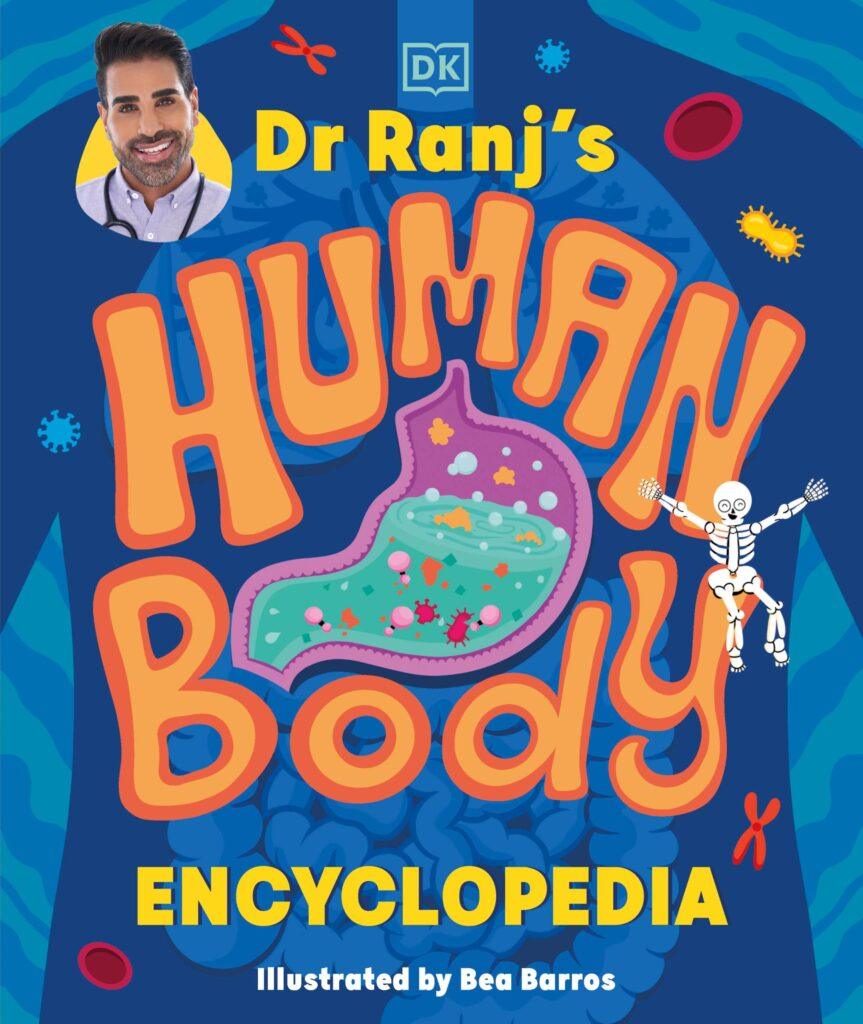
In this engaging and accessible guide, NHS paediatrician and TV presenter Dr Ranj Singh takes young readers on a fascinating tour of the human body. Packed with colourful illustrations and clear explanations, the book explores everything from the brain and heart to bones, muscles and genetics, answering children’s most curious questions along the way. Designed for ages 7–9, it also offers reassuring insights into hospitals, medicine and surgery, making it both an educational resource and a comforting companion for children learning about their health.
PS – we absolutely loved creating this shoot and would like to thank:
The Engine Rooms for the amazing venue and hosting us beautifully
Deepa Shukle for as always taking the most incredible pictures and capturing everything so elegantly
Maantra for the stunning wardrobe and making Dr Ranj look absolutely next level
Mumbai Lads for the perfect footwear to complement any look
Frame Works Digital for all their content filming and creation that brings everything together
Anisha Vasani for her impeccable Creative Direction and shoot co-ordination
Make up Artist: @fatinhmakeup
Hair: @styledbymoni.x
Footwear: Mumbai Lads Footwear Collection