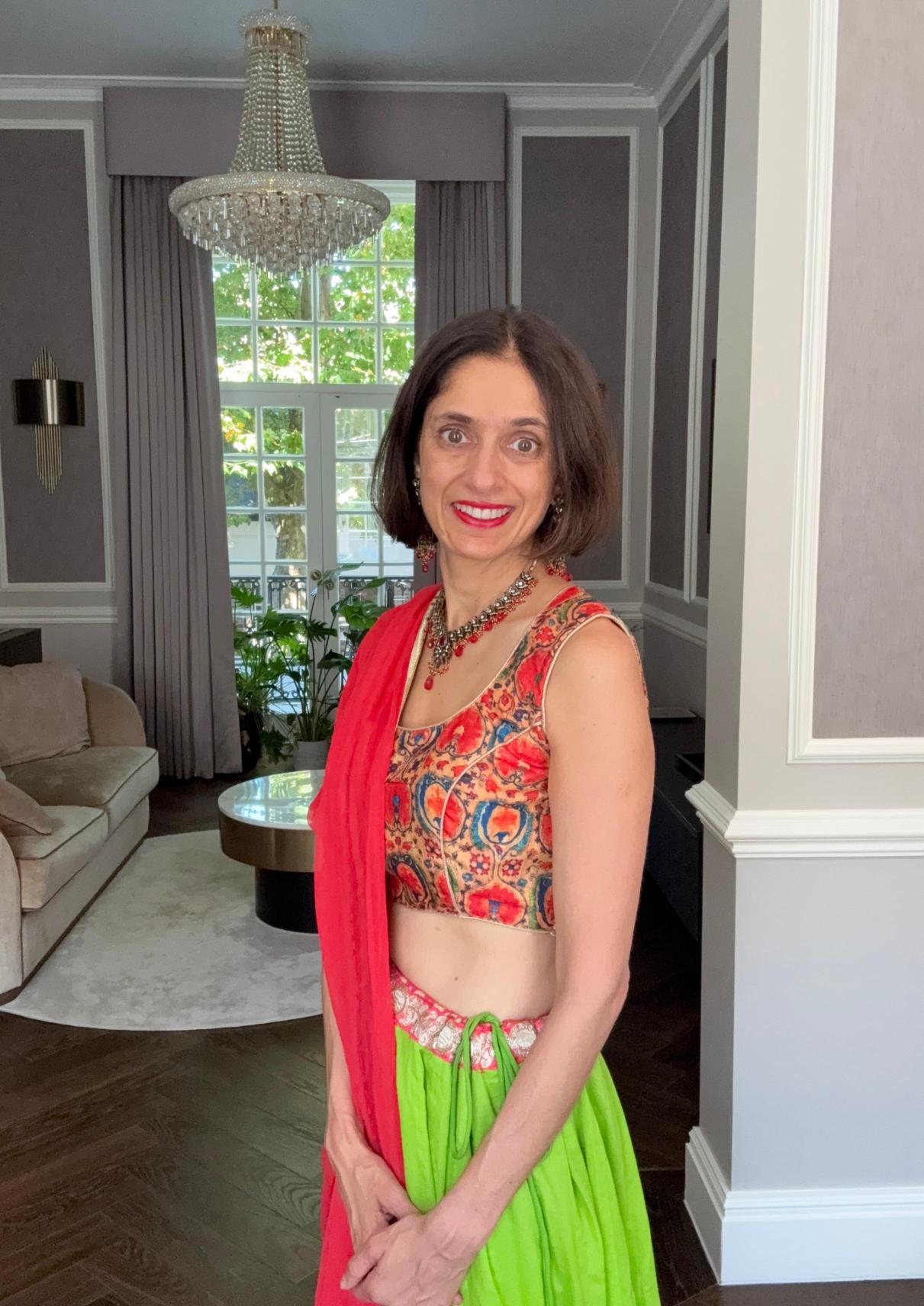
There are few names as synonymous with the evolution of Indian cuisine in the UK as Camellia Panjabi. Restaurateur, author, and cultural tastemaker, she has shaped the way Britain eats – from introducing regional Indian cuisines to creating some of the most iconic dining spaces in London. With her latest book, Vegetables: The Indian Way, Panjabi turns her attention to a deceptively simple subject. This time, it isn’t just about taste, but about nourishment, tradition, and the quiet power of everyday ingredients.
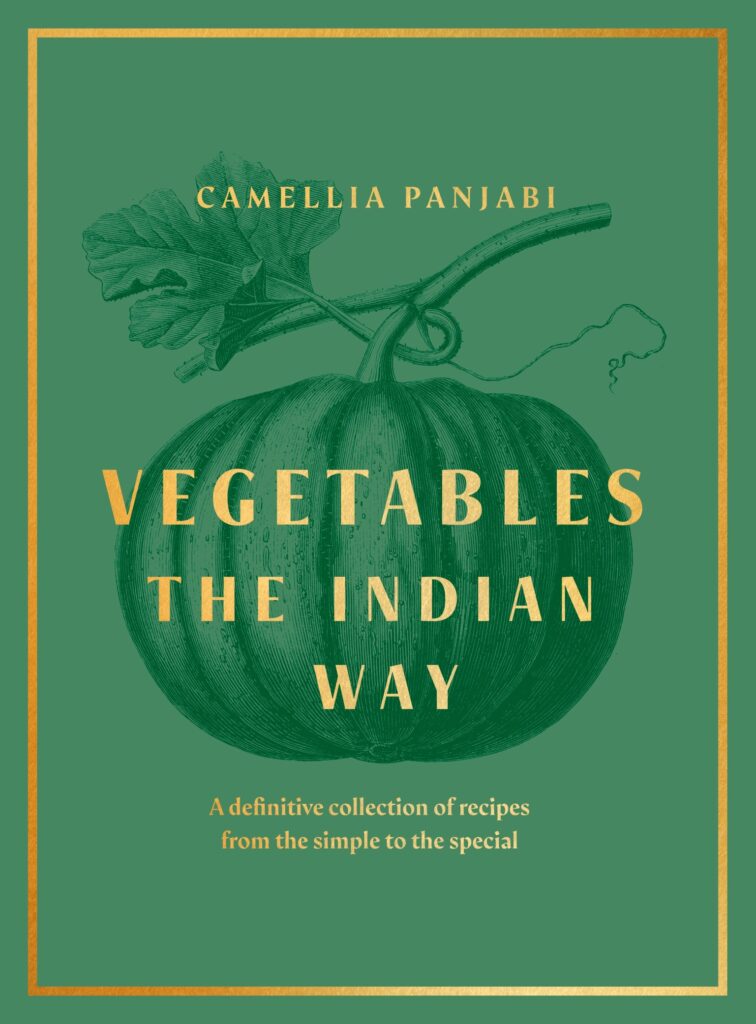
Vegetables feels deceptively simple as a title, but the book is anything but. What made you want to dedicate an entire volume to vegetables?
The media and authors of health and nutrition books are encouraging people to incorporate more plant food in their diet. But it’s not easy for a householder to plan which vegetables they should eat based on their health needs. So, I wanted to put all the information about each vegetable and the recipes for it, together in one section. Makes it easier for a person to make their choice.
How did you decide which regional dishes and traditions to spotlight in the book?
There are 30 kinds of vegetables and semi ripe fruits for which there are 120 recipes. I chose the best expressions of taste and, in some cases, unusual interpretations. They happened to be drawn from so many regions.
If readers could try just one recipe to start, which would you recommend and why?
I would say, take your favourite vegetable, leaf through the recipes, and pick one.
You’ve been instrumental in shaping some of the most iconic Indian restaurants in the UK, from Chutney Mary to Masala Zone. What philosophy guided you in creating these spaces?
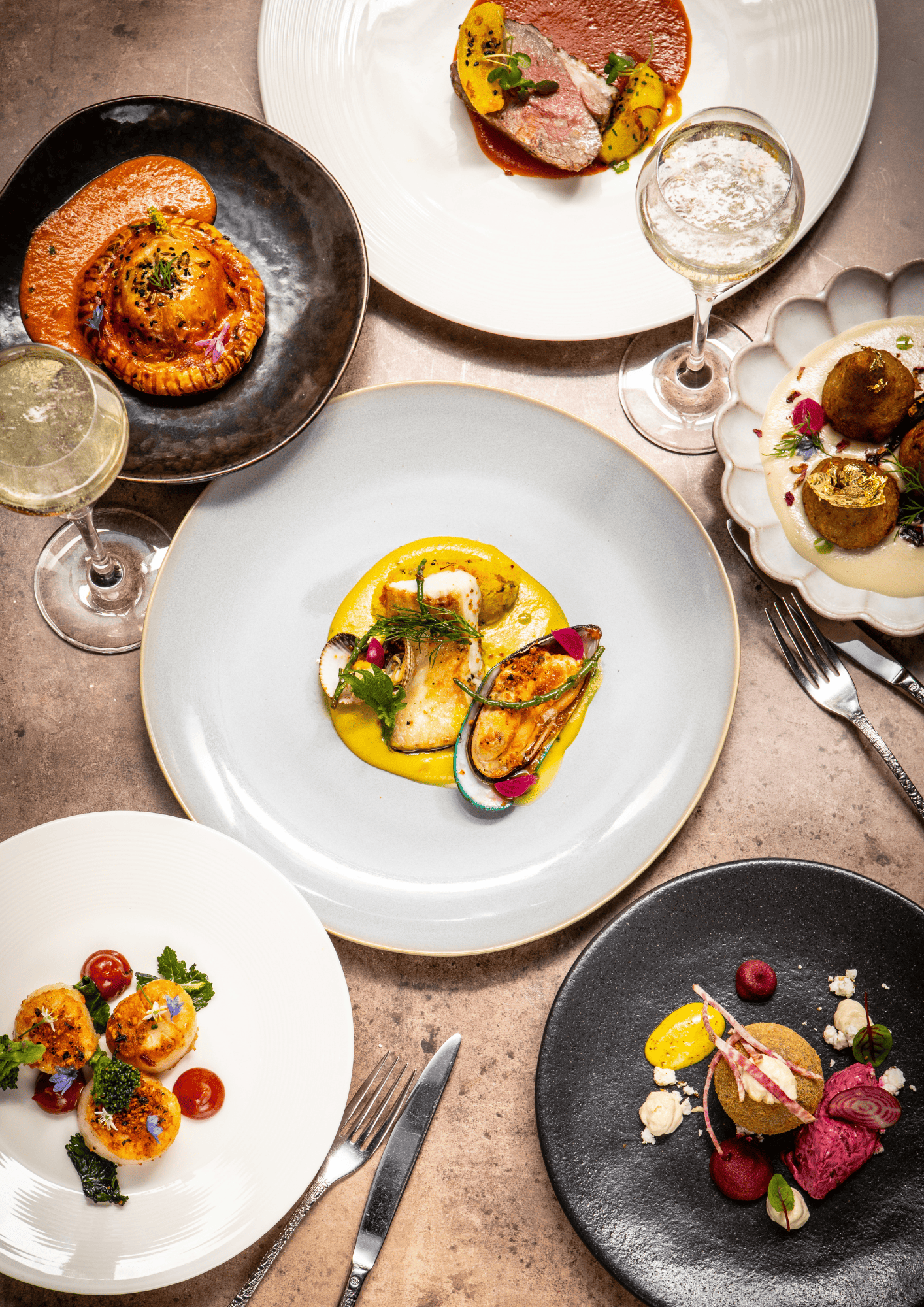
In my career in India, I was involved in creating many restaurants across the country and was fortunate to experience all the regional Indian Cuisines. London has an audience of Indian food lovers with an adventurous spirit. So, I felt it was my duty to bring the best and most interesting dishes here. Along the way, the chefs in our restaurants also became creative, and together we built an extraordinary level of modern Indian food in restaurants including Veera swamy and Amaya.
How do you see your restaurant work and your writing speaking to each other? Do they influence one another?
Each of our restaurants have its own set of followers. Yes, I am influenced by how customers react to each dish. Sometimes we take the traditional recipe and go further – for example, at Veera swamy we added red wine to the Butter Chicken or Chicken Makhani as we call it. When I write, I take into account that not all readers are fully familiar with Indian food, so I included recipes which are simple to make and have a universal appeal. And worked on making the classic recipes taste even better than they have had before, like the dals, the curries, and vegetables.
London has become one of the world’s great capitals for Indian cuisine. Looking back, what role do you think you and your family played in shaping that landscape?
I humbly believe our contribution was a very crucial one. In 1980, when I set up the Bombay Brasserie, I brought for the first time the cuisine of the multi-cultural Indian city. Chutney Mary introduced London to the best dishes from many regions of India, including from the Taj period. Masala Zone brought ‘Street Food’ concept to Britain – which then led to several brands of Indian street food restaurants and, in turn, triggered the wider street food movement in the UK. Amaya brought to London its first open grill kitchen with a huge range of grills flavoured with Indian spices. Since then, many grill restaurants with open and semi open kitchens have followed.
Restaurants are often seen as “male-dominated” businesses. What was it like building
authority and success as a woman in that world?
Authority can hardly succeed if enforced. It comes with respect, and respect comes from knowledge. Gender does not come into play. Men respect women and women respect men – if respect is due.
You’ve built a career that bridges food, culture, and business. What lessons would you
share with young South Asian women aspiring to leadership roles today?
Whatever you want to do, study the subject in all aspects as thoroughly as you can. The theory, the practices, those who have succeeded, why some have failed. Don’t observe in a limited way. Ideas for successful implementation are all scattered around you – as they say -they are blowing in the wind.
What has been your proudest moment – either in publishing, restaurants, or mentoring
others?
There isn’t one single moment that dominates. Making success of many restaurants where most people said wouldn’t work, introducing the first Sichuan, Thai and Italian restaurants in India in the seventies and eighties. The moment Amaya was judged the best restaurant in London. In 2024, Chutney Mary being awarded London’s Restaurants of the year by AAGuide. Publishing my first book on curries, and now the one on vegetables.
Do you see food as a tool for empowerment, especially for women? If so, how?
With Vegetables: The Indian Way, Panjabi turns everyday produce into a story of culture and empowerment. From landmark restaurants that redefined Britain’s relationship with Indian cuisine to a book that champions the humble aubergine and okra, she continues to shape how we cook, how we share, and how we see ourselves through food.