
We’re living in a world that’s moving so quickly, we often forget to take care of ourselves. You’ve likely already got the resolutions made from a career plan to a financial plan to a fitness plan and of course, the perfect holiday plan. Yet, there’s one area of life we, as women, often tend to overlook – fertility. For 2026, it’s time to stop relying on fingers crossed, and take actionable steps.
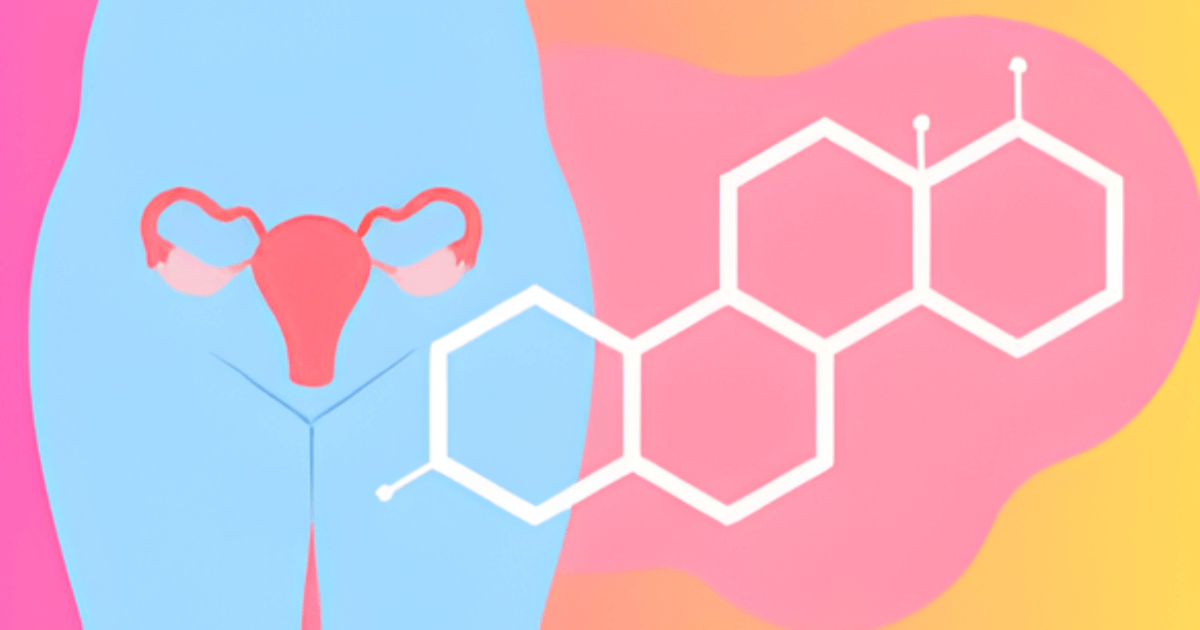
It’s Not About Just Relaxing
If you’ve been trying to conceive without success, chances are, you’ve heard a phrase such as:
“Just relax. It will happen.”
The problem is, when will it actually happen? This constant reminder that it hasn’t happened yet is a stress in itself.
In the modern busy world, stress is something we normalise on a daily basis, but the biochemical pathways of stress on the body is actually stopping you from getting pregnant.
The feeling of your heart racing, sweating, unable to sleep at night is due to a surge in stress hormones called adrenaline and cortisol. When these stress hormones are too high for too long, they stop your reproductive hormones from being produced.
Make 2026 the year you take full control of your stress. This means more than just taking the time to relax. You need to equip yourself with strategies for times when you experience high stress. Think about a situation when you’re about to jump on a Zoom meeting – if this is something that makes you have anxious thoughts, take five minutes before the call to do some box breathing. When it comes to managing stress, sleep hygiene is also incredibly important. Focus on creating a nighttime routine. Getting enough sleep can significantly improve your stress levels and reduce your chronically high stress hormones that are damaging your fertility.

Fertility Nutrition
Did you know food can actually help to improve egg quality and fertility?
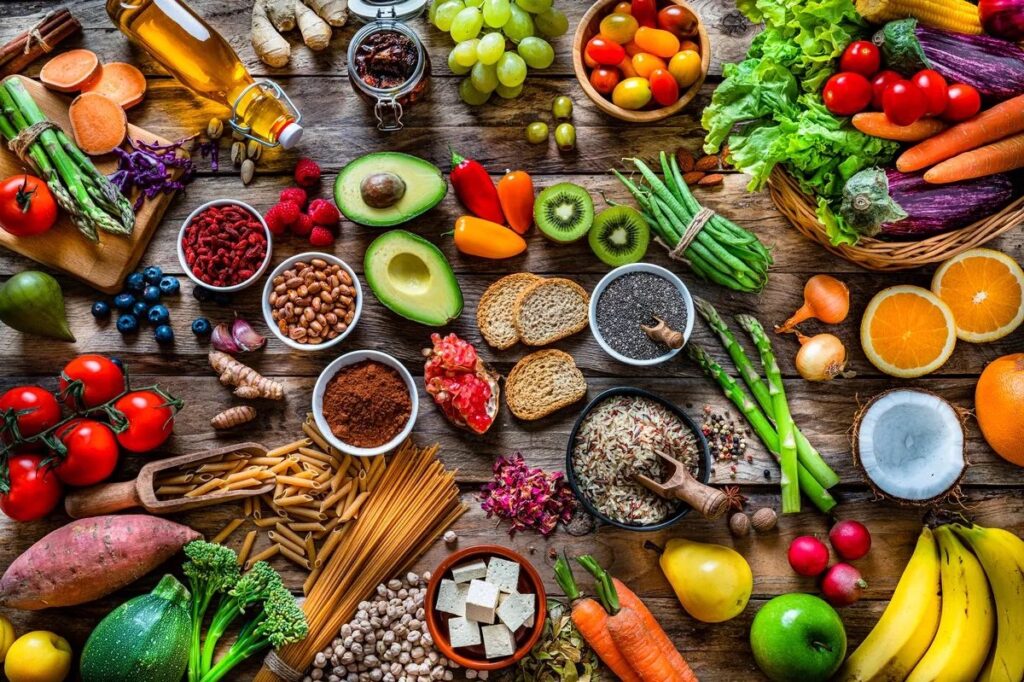
We all know egg count drops with age because of the ‘female biological clock’, but the nutrients you get from food can help slow egg aging, support ovulation and a healthy pregnancy. If you’ve been skipping on healthy meals and turning to Tesco Meal Deals more than you’d like to admit lately, then make nutrition a top priority goal for improved fertility in 2026. It’s also important to move away from constantly seeking out quick fix diet – quick weight fluctuations can affect hormone production.
Top tips on food that can support fertility:
- High Antioxidant foods – berries, spinach, beetroot, broccoli
- Healthy Fats – avocado, seeds and nuts, olives
- Whole grain foods – oats, quinoa, brown rice
- High in Omega 3 – salmon, chia seeds, walnuts
- Good sources of proteins. – eggs, chicken, cottage cheese, fish, lentils, chickpeas
Reducing blood sugar spikes can also help ovulation – so perhaps a once a day sweet treat is better than several times a day.
How the Environment Affects Female Fertility
An often-overlooked area that affects fertility in women is the environment around us – from cosmetics to shower gels to perfume. Using plastic water bottles can leak microplastics into the water which then disrupt your reproductive system.Toxic chemicals like BPA and phylates are everywhere – including your lipsticks, perfumes and shampoos. There is no legal requirement in the cosmetic industry to remove these endocrine-disrupting chemicals from products, which are silently harming your fertility. Next time you grab your favourite nice-smelling shampoo – take a look at the ingredients and opt for something natural, organic.
The Power of Knowledge
Educating yourself about fertility can be a very powerful tool. It equips you with what you need to know to have the best chance of conceiving.

Start with a baseline blood tests from your GP if you have been trying to get pregnant for 6-12 months. Checking your Vitamin D, thyroid function test, hormone levels can be a good place to start. Cycle tracking is useful for improving the chances of successful conception, but it goes beyond just marking a calendar. Educate yourself about the fertility window. The most fertile period is generally just before ovulation occurs.
For those over 40, the reality of declining eggs is a reality. Educate yourself about the best ways to improve egg quality – for instance, the CoQ10 supplement may have a positive impact on fertility.
Female fertility takes a whole-body approach. The advice to keep your fingers crossed and just relax is no longer sufficient for 2026. As we enter the new year, it’s time to look after our own fertility with simple strategies such as stress management and getting the right nutrients for your body. Small daily habits make a world of difference!
Bio
Dr Ravina is a London NHS Women’s Health GP and Founder of The One, Fertility + Pregnancy Supplements for Women (theonelabs.co). She is a Media doctor for the BBC and education on fertility on social media @doctor.ravina